Pigeon Post: The History and Evolution of Avian Messengers
Long before the digital age, the world relied on the remarkable biological instincts of the homing pigeon to bridge vast distances. Pigeon post is the practice of using these birds to carry messages, leveraging their natural ability to find their way back to their home loft regardless of where they are released. By transporting pigeons in cages to a distant location and attaching a message to them, senders could ensure a rapid return flight to the recipient.
From ancient empires to the battlefields of the 19th century, these avian messengers provided a critical link in human communication, often serving as the only viable option when traditional lines were severed.
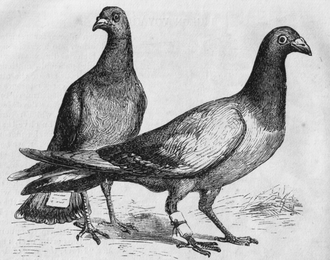
Key Facts
- Mechanism: Pigeons are carried to a destination and released to fly back to their home loft.
- Ancient Use: Employed by Persians, Romans, and Greeks for military and sporting news.
- Military Role: Known as war pigeons, they were vital during the Siege of Paris (1870–1871).
- Commercial Use: Used by early financial services, including the precursor to Reuters.
- Modern Use: Some rafting photographers still use them as a "sneakernet" for digital media.
Early History and Global Adoption
The art of training pigeons likely originated with the ancient Persians. Over 2,000 years ago, the Romans integrated pigeon messengers into their military strategy, with records indicating that Julius Caesar utilized them during his conquest of Gaul. Similarly, the Greeks used pigeons to transmit the names of Olympic victors back to their respective cities.

As trade expanded, so did the use of avian mail. In the Levant, merchants between İskenderun and Aleppo maintained a regular service, and the Mughals in India also employed messenger pigeons. By the 19th century, the Dutch government had established civil and military systems in Java and Sumatra using birds sourced from Baghdad.
Financial and Commercial Applications
Before the widespread adoption of the telegraph, pigeons were essential for the financial sector. Paul Julius Reuter, founder of the news agency Reuters, famously used pigeons to transmit stock prices between Aachen and Brussels for a year until a telegraph gap was closed. This efficiency in data transmission helped lay the groundwork for modern financial news services.

The Siege of Paris (1870–1871)
The most famous application of pigeon post occurred during the Franco-Prussian War. When Prussian forces encircled Paris in September 1870, they severed all telegraph wires and blocked traditional postal routes. For four and a half months, carrier pigeons became the only reliable way to send information into the city.
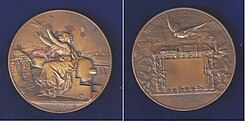
To maintain the flow of information, pigeons were flown out of Paris via balloons to bases in Tours and Poitiers. Once they rested and fed, they were released with dispatches to fly back to Paris. To ensure delivery, the French used Dagron microfilms—tiny photographic films that allowed multiple messages to be carried in a single small tube.
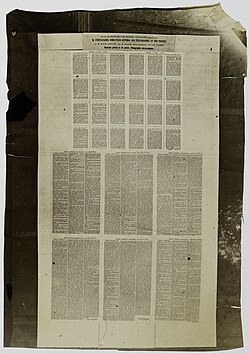
The scale of this operation was immense. To guarantee arrival, official messages were often repeated up to 35 times across different birds. In total, the service carried 150,000 official and 1 million private communications into the besieged city. Upon arrival, a bell in the loft alerted a watchman, and the microfilms were projected using a magic lantern for clerks to transcribe.
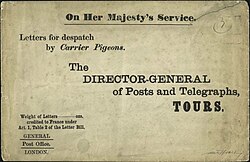
Regional Pigeon Services Around the World
Following the success in Paris, many nations formalized their pigeon services. However, these systems faced various challenges, from predators to political interference.
North America and New Zealand
- Canada: Between 1891 and 1895, a service operated between the Halifax citadel and lighthouse lookout stations, though high bird mortality occurred on difficult routes like the flight to Sable Island.
- Catalina Island: From 1894 to 1898, the Zahn brothers operated a service from Avalon to Los Angeles. Despite high reliability, the service was not profitable and ceased in 1898.
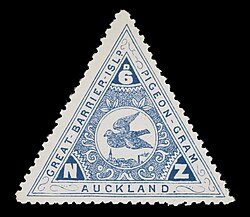
- Great Barrier Island: In New Zealand, a "pigeongram" service began in 1897 to connect the isolated island to Auckland. This service featured distinctive stamps and lasted until a telegraph cable was laid in 1908.
India
The Orissa police in India maintained regular pigeon posts in cities such as Cuttack and Sambalpur for emergencies and natural disasters. In 1954, they demonstrated their utility by conveying an inauguration message from the President of India to the Prime Minister. The last active service in Cuttack closed in 2008, though some birds are still kept for ceremonial purposes.
Summary of Notable Pigeon Post Services
| Location/Event | Period | Primary Purpose | Key Feature |
|---|---|---|---|
| Siege of Paris | 1870–1871 | Military/Civilian | Used microfilms and balloons |
| Catalina Island | 1894–1898 | Commercial/Emergency | 48-mile flight to Los Angeles |
| Great Barrier Island | 1897–1908 | Civilian | Issued collectible pigeongram stamps |
| Orissa, India | Until 2008 | Police/Emergency | Used for natural calamities |
Frequently Asked Questions
How exactly does a pigeon post work?
Pigeons are not "trained" to fly to a specific destination on command; rather, they have a natural instinct to return to their home. To send a message, a pigeon is transported away from its home in a cage. When released with a message attached, it simply flies back to its own loft.
What were "war pigeons"?
War pigeons were homing pigeons specifically trained and deployed for military communication. They were essential in situations where telegraph lines were cut or radio silence was required, such as during the Siege of Paris or World War I.
How did the French send so many messages during the Siege of Paris?
They used microfilms, which allowed them to shrink large amounts of text into tiny images. These were placed in small tubes attached to the birds, allowing a single pigeon to carry multiple official and private dispatches simultaneously.
Why did pigeon post eventually decline?
The development of radio telegraphy and telephony provided faster, more reliable, and two-way communication. By the 1910s, the use of pigeons was largely limited to specific fortress warfare scenarios before being phased out entirely.
Are pigeons still used for communication today?
While formal postal services have ended, some niche uses remain. For example, some rafting photographers use pigeons as a "sneakernet" to transport digital flash media from remote locations back to their tour operators.