Philips: The Evolution from Light Bulbs to Health Technology
Founded in 1891, Philips has transformed from a modest light bulb operation into a global leader in health technology. For over 130 years, the company has navigated the shifting tides of the electronics industry, pivoting from consumer audio and lighting to a specialized focus on improving patient outcomes and clinical efficiency.
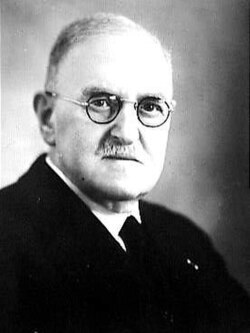
The journey began in Eindhoven, Netherlands, where brothers Gerard and Anton Philips established a factory that would eventually redefine how the world is lit and how health is monitored. Today, the company operates as a public entity traded on the Euronext Amsterdam and the New York Stock Exchange.
Key Facts

- Founded: May 15, 1891, in Eindhoven, Netherlands.
- Founders: Gerard and Anton Philips.
- Current Focus: Health technology and medical equipment.
- 2024 Revenue: €18.02 billion.
- Global Reach: Operates worldwide with headquarters in Amsterdam.
- Workforce: 68,419 employees (as of 2024).
A Legacy of Innovation: From Lighting to Electronics
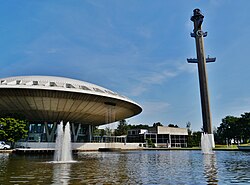
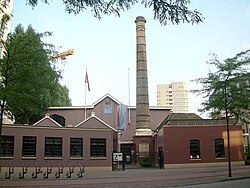
The early years of Philips were defined by the production of incandescent lamps. The first factory in Eindhoven served as the bedrock for a company that would soon expand into radio and other electronic components.
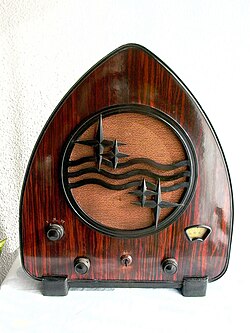
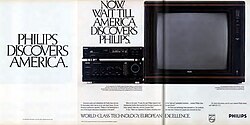
As the 20th century progressed, Philips became a household name through its diverse consumer electronics portfolio. This included the development of iconic radio models, such as the "Chapel" radio in 1931, and later, pioneering work in portable audio and optical media.
The company's commitment to research led to groundbreaking achievements in the late 20th century. Notably, inventor Kees Schouhamer Immink developed the coding technologies that made the Compact Disc (CD), DVD, Blu-ray, and Digital Compact Cassette (DCC) possible.

The Strategic Pivot to Healthcare
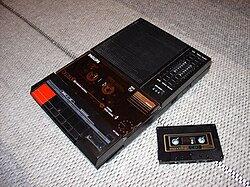
While Philips spent decades as a giant in consumer electronics—producing everything from televisions to shavers—the company underwent a massive strategic shift starting around 2011. Recognizing the growth potential and societal need for advanced medical solutions, Philips began divesting from its traditional consumer divisions to focus on health technology.
This transition involved moving away from home entertainment and lighting (the latter eventually becoming Signify) to concentrate on clinical informatics and diagnostic imaging.
![The Philips Light Tower in Eindhoven, originally a light bulb factory and later the company headquarters, August 2012[26]](/images/07/4a/074a593f3e98c5a9d00d8f1b95672361d3759ddde6dd39922c024953fe806c9c.jpg)
Medical Imaging and Diagnostics
Philips now provides a comprehensive suite of imaging systems designed for precision diagnosis. These include Computed Tomography (CT), Magnetic Resonance Imaging (MRI), and Positron Emission Tomography (PET), which allow clinicians to visualize internal structures with extreme accuracy.
![64-slice CT scanner originally developed by Elscint, now a Philips product[180]](/images/81/0a/810a919fb034f38b741fffb59d0e082beae773e9fb629c274aa6db164f409624.jpg)
Patient Care and Clinical Informatics
Beyond imaging, the company specializes in patient monitoring and clinical informatics. This includes software solutions like the IntelliSpace family, which helps manage cardiovascular and enterprise imaging data, as well as hardware for blood pressure, ECG, and ventilation monitoring.
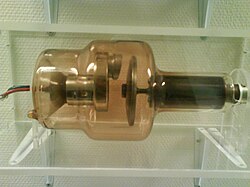
Global Operations and Infrastructure
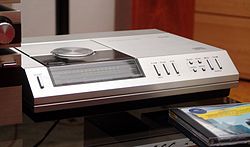
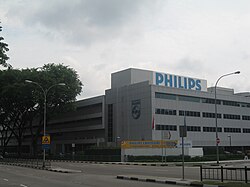
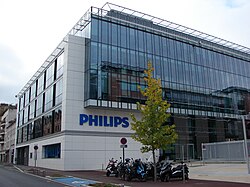
Philips maintains a vast international presence, with significant operations across Asia, Europe, and North America. From its headquarters in Amsterdam to specialized research laboratories in Germany and regional hubs in Singapore and Hong Kong, the company integrates global expertise to drive medical innovation.
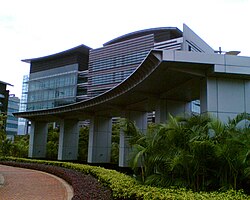
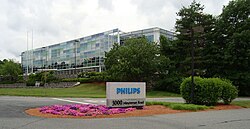
In North America, the company has transitioned its headquarters from Andover, Massachusetts, to Markham, Canada, reflecting its evolving operational needs.
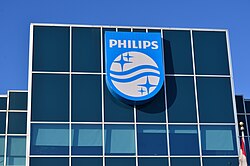
Company Overview Summary

| Metric | Detail |
|---|---|
| Headquarters | Amsterdam, Netherlands |
| CEO | Roy Jakobs |
| Annual Revenue | €18.02 billion |
| Net Income | €698 million |
| Total Assets | €28.98 billion |
| Primary Industry | Health Technology |
Frequently Asked Questions
![LED bulbs made by Philips[165]](/images/db/b4/dbb452266b62091f86c5477f311bbbe44fb6381b84c5cf2de3774162e6b2ff6b.jpg)
Who founded Philips and where?
Philips was founded on May 15, 1891, by brothers Gerard and Anton Philips in Eindhoven, Netherlands.
What is the primary focus of Philips today?
Philips has pivoted from general electronics to focus primarily on health technology, specializing in medical equipment, imaging systems, and clinical informatics.
What are some of the key medical products Philips offers?
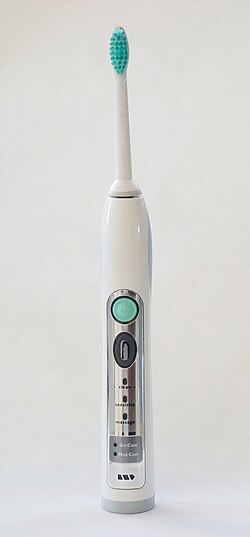
Their portfolio includes CT scanners, MRI machines, ultrasound systems, patient monitoring software, and consumer health products like the Sonicare electric toothbrush.
Did Philips invent the CD?
Philips played a critical role in the development of the CD, with inventor Kees Schouhamer Immink developing the coding technologies for the format in partnership with Sony.
What happened to the Philips lighting business?
Philips spun off its lighting division, which now operates as a separate company known as Signify.