Republic of the Philippines
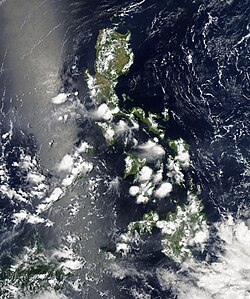
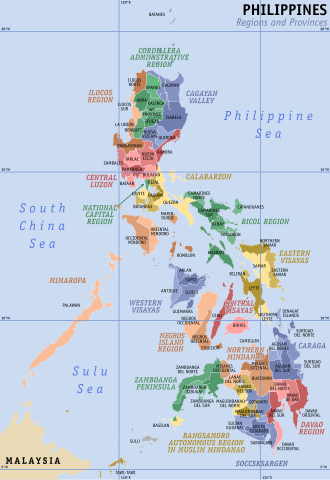
The Republic of the Philippines is a vibrant archipelagic nation located in Southeast Asia. Known for its diverse landscapes, rich colonial history, and resilient people, the country serves as a cultural bridge between East and West. From the bustling metropolis of Manila to the serene highlands of the north, the Philippines is a land of immense biodiversity and complex heritage.
The nation operates as a unitary presidential republic, with its government seat in Metro Manila. Its national motto, "Maka-Diyos, Maka-tao, Makakalikasan at Makabansa" (For God, People, Nature, and Country), reflects the core values that guide its citizens and governance.
Key Facts

- Capital: Manila
- Largest City: Quezon City
- Population: 112,729,484 (2024 census)
- Official Languages: Filipino and English
- Currency: Philippine peso (₱)
- Government: Unitary presidential republic
- Land Area: Approximately 300,000 km²
Geography and Environment
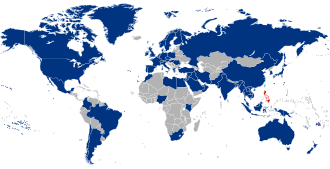
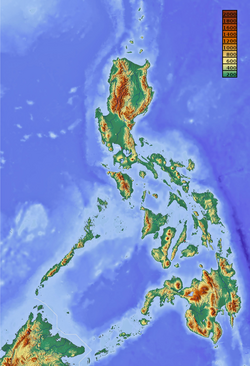
The Philippines is characterized by its mountainous terrain, with uplands comprising 65 percent of the total land area. This rugged geography contributes to the country's stunning natural vistas and varied ecosystems.
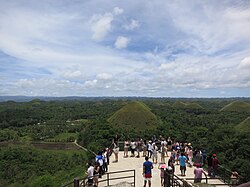
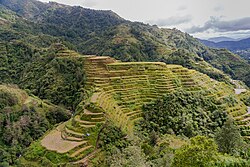
The archipelago is a global hotspot for biodiversity. Its natural wonders include the conical karst formations of the Chocolate Hills in Bohol and the ancient Banaue Rice Terraces, which were meticulously carved into the mountains by the ancestors of the Ifugao people.
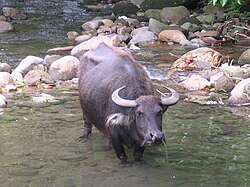
The climate is tropical, with evening thunderstorms frequently bringing rain from June to November. The national animal, the carabao, symbolizes the strength, perseverance, and hard work inherent in the Filipino spirit.
History and Evolution
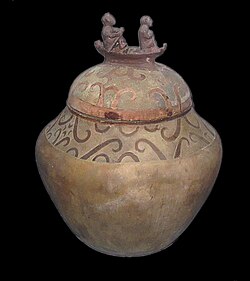
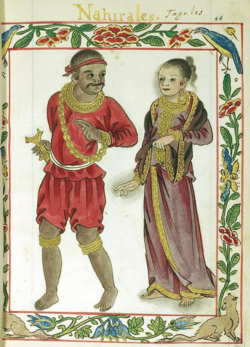
The history of the Philippines is a tapestry of indigenous development and foreign influence. Early prehistoric periods saw the use of burial jars, such as the Manunggul jar, indicating complex early beliefs regarding the afterlife.
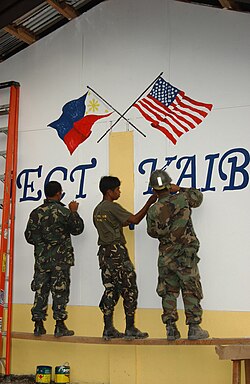
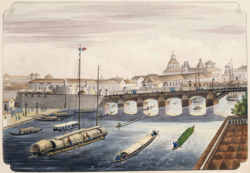
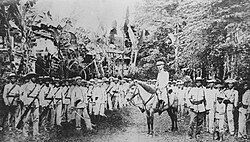
The nation underwent significant transformation during the Spanish and American colonial periods. Spanish influence is still evident in the country's architecture and the prevalence of Catholicism. By the late 19th century, the Ilustrados (educated class) in Madrid and the writings of José Rizal helped ignite the Philippine Revolution.
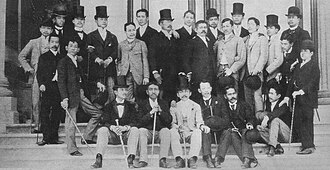
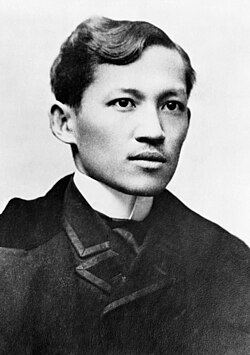
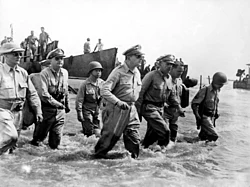
The path to independence was a multi-stage process. The Philippines declared independence from Spain on June 12, 1898, later transitioning through a period of American rule and a Commonwealth government established in 1935. Full international recognition of independence was achieved on July 4, 1946.
Government and Economy
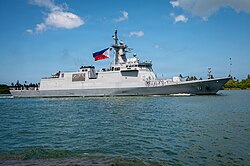
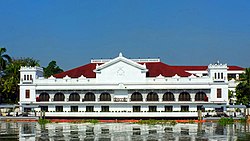
The current administration is led by President Bongbong Marcos and Vice President Sara Duterte. The legislative branch, the Congress, consists of the Senate (upper house) and the House of Representatives (lower house). The official residence of the president is the Malacañang Palace.
Economically, the Philippines is a significant player in Southeast Asia. With a nominal GDP estimated at $512.222 billion for 2026, the country continues to develop its infrastructure and technology sectors. The International Rice Research Institute in Los Baños remains a critical hub for agricultural science.
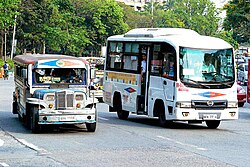
Transportation is evolving, with traditional jeepneys—the iconic public utility vehicles—gradually being replaced by eco-friendly Euro 4-compliant models to reduce pollution.
Society and Culture
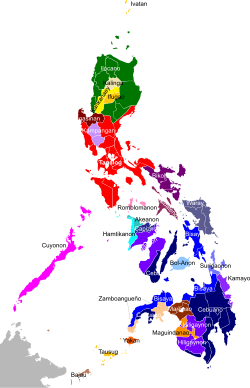
The Filipino people are a diverse mix of ethnic groups, with Tagalogs (26.0%), Bisaya (14.3%), and Ilocanos (8.0%) among the largest. This diversity is mirrored in the 19 recognized regional languages, though Filipino and English serve as the official languages for administration and education.
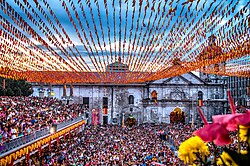
Religion plays a central role in daily life, with 91.5% of the population identifying as Christian, the vast majority of whom are Catholic. This is vividly seen during festivals like the Sinulog in Cebu.
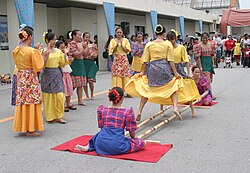
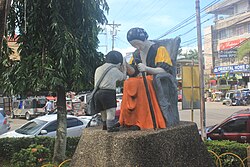
Cultural traditions are preserved through dance, such as the Tinikling, which mimics the movements of a bird avoiding traps, and social customs like mano po, a gesture of respect for elders.
National Summary Table
| Category | Detail |
|---|---|
| Official Languages | Filipino, English |
| Major Religions | Catholicism (78.8%), Islam (6.4%) |
| GDP (Nominal 2026 Est.) | $512.222 Billion |
| Human Development Index | 0.720 (High) |
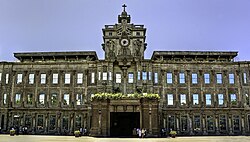
| Oldest University | University of Santo Tomas (est. 1611) |
Frequently Asked Questions
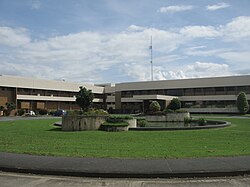
![Zamboanga City Hall[647]](/images/b4/21/b421b89399b733e21c4db44380195347fd4c9d60d05abd916bb7cdae32ccc331.jpg)
What are the official languages of the Philippines?
The official languages are Filipino and English. Additionally, there are 19 recognized regional languages, and Spanish and Arabic are promoted on a voluntary basis.
Who is the current President of the Philippines?
The current President is Bongbong Marcos, serving alongside Vice President Sara Duterte.
What is the significance of the carabao?
The carabao is the national animal of the Philippines and serves as a symbol of strength, power, efficiency, perseverance, and hard work.
When did the Philippines gain independence?
The Philippines declared independence from Spain on June 12, 1898, and its independence was formally recognized on July 4, 1946.
What is the largest city in the Philippines?
Quezon City is the largest city in the Philippines by population, according to the 2024 census.