Philippine Daily Inquirer: A History of Fearless Journalism
The Philippine Daily Inquirer stands as one of the most influential media institutions in the Philippines. Established during a period of intense political turmoil, the newspaper carved out a reputation for bravery and independence, evolving from a small-budget operation into a dominant force in national discourse.
The publication was founded on December 9, 1985, by publisher Eugenia Apóstol and columnist Max Solivén, alongside Betty Go-Belmonte. It emerged as one of the first private newspapers established during the final days of the Marcos regime, succeeding the weekly Philippine Inquirer and the Mr. & Ms. Special Edition—a tabloid known for its opposition to the government.
The original weekly publication had been created by Apóstol specifically to cover the trial of 25 soldiers accused of complicity in the August 21, 1983, assassination of opposition leader Ninoy Aquino at the Manila International Airport.

Key Facts
- Founded: December 9, 1985.
- Founders: Eugenia Apóstol, Max Solivén, and Betty Go-Belmonte.
- Slogan: "Balanced News, Fearless Views."
- Longest-serving Editor-in-Chief: Letty Jimenez-Magsanoc.
- Current Ownership: Majority owned by Ramon S. Ang (85%) and Manny Pangilinan (15%).
The Formative Years: 1985–1989
Launched with a modest budget of ₱1 million, the Inquirer began its journey in a dilapidated one-story building in Port Area, Manila. The early newsroom was a cramped 100-square-meter space staffed by 40 employees, including reporters, photographers, and editors, under the leadership of Editor-in-Chief Louie Beltran.
Despite its humble beginnings and an initial daily circulation of 30,000, the paper quickly gained prominence. It played a critical role in documenting Corazon Aquino's 1986 presidential campaign and the subsequent People Power Revolution. By January 1986, the paper adopted its iconic slogan, "Balanced News, Fearless Views," and saw its circulation surge to 500,000 copies per day.
Internal friction regarding finances and priorities led to a split in July 1986. Betty Go-Belmonte, Max Solivén, and Art Borjal left to establish The Philippine Star. This transition forced the Inquirer to move from the Star Building to the Solivén-owned BF Condominium in Intramuros.
Growth and Expansion: 1989–1991
Under the leadership of Federico D. Pascual, who became Editor-in-Chief in 1989, the Inquirer reached a major milestone in 1990 by surpassing the Manila Bulletin to become the highest-circulation newspaper in the Philippines.
The organization faced a physical setback in July 1990 when the Luzon earthquake damaged its Intramuros headquarters. This led to a relocation on January 5, 1991, to the YIC building in Malate.
The Jimenez-Magsanoc Era: 1991–2015
On June 14, 1991, Letty Jimenez-Magsanoc was appointed as the Inquirer's first woman and longest-serving Editor-in-Chief. A seasoned journalist who had previously been sacked from the Bulletin Today for criticizing the Marcos regime, Magsanoc brought a wealth of experience to the role.
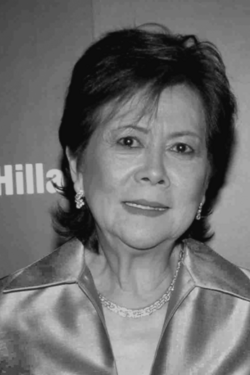
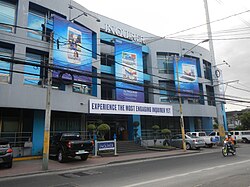
Her tenure was marked by both growth and conflict. In 1995, the newspaper moved to its current headquarters in Makati. However, the paper faced significant pressure during the presidency of Joseph Estrada, who accused the publication of bias and fabrication. This tension culminated in a five-month advertising boycott in 1999, orchestrated by government organizations and pro-Estrada businesses—an act publisher Isagani Yambot condemned as an attack on press freedom.
By 2017, AGB Nielsen surveys confirmed the Inquirer as the most widely read newspaper in the country. Letty Jimenez-Magsanoc passed away on December 24, 2015, and was posthumously named the Filipino of the Year 2015 by the publication.
Modern Transitions: 2016 to Present
In February 2016, the newspaper shifted its leadership structure, replacing the Editor-in-Chief role with a new top position: Executive Editor, first held by Jose Ma. Nolasco.
Ownership changed significantly in 2017 when Ramon S. Ang acquired the shares of the Prieto family, becoming the majority shareholder with 85%, while Manny Pangilinan held the remaining 15%.
The Inquirer has continued to adapt to the digital age, launching the culture-focused subsidiary Pop! and merging its Entertainment and Lifestyle sections in October 2024. A major structural shift is scheduled for July 1, 2025, when the company will integrate print and digital operations under Inquirer Interactive, Inc., while the original Philippine Daily Inquirer, Inc. ceases operations as a company.
Summary of Institutional Evolution
| Period/Date | Key Leadership/Owner | Major Milestone/Event |
|---|---|---|
| 1985 | Eugenia Apóstol & Max Solivén | Founded as a daily newspaper |
| 1986 | Louie Beltran | Covered People Power Revolution; circulation hit 500k |
| 1990 | Federico D. Pascual | Became the highest-circulation paper in the Philippines |
| 1991–2015 | Letty Jimenez-Magsanoc | Longest tenure; move to Makati headquarters |
| 2017 | Ramon S. Ang & Manny Pangilinan | Change in majority ownership |
| 2025 (Planned) | Inquirer Interactive, Inc. | Integration of print and digital operations |
Frequently Asked Questions
Who founded the Philippine Daily Inquirer?
The newspaper was founded on December 9, 1985, by publisher Eugenia Apóstol, columnist Max Solivén, and Betty Go-Belmonte.
What is the meaning of the Inquirer's slogan?
The slogan "Balanced News, Fearless Views" was created through a contest in January 1986 and reflects the publication's commitment to objective reporting and courageous editorial perspectives.
Who was Letty Jimenez-Magsanoc?
She was the first woman and longest-serving Editor-in-Chief of the Inquirer, leading the publication from 1991 until her death in 2015.
How did the 1990 Luzon earthquake affect the newspaper?
The earthquake damaged the Inquirer's headquarters in Intramuros, leading the company to move to a new location in Malate on January 5, 1991.
What changes are happening to the company in 2025?
On July 1, 2025, the Inquirer will integrate its print and digital operations under Inquirer Interactive, Inc., while Philippine Daily Inquirer, Inc. will shut down as a company.