Philadelphia: The Historic Heart of the City of Brotherly Love
Philadelphia, known affectionately as "Philly," is a city where deep historical roots meet a vibrant, modern urban landscape. Its name is derived from the Ancient Greek words phílos (beloved) and adelphós (brother), earning it the enduring nickname "The City of Brotherly Love." This sentiment is captured in the city's Latin motto, Philadelphia maneto, which translates to "Let brotherly love endure."
As the largest city in Pennsylvania and a major hub in North America, Philadelphia serves as a consolidated city-county. It is a place of immense significance, having served as a cradle for American democracy and a center for industrial and cultural growth over more than three centuries.
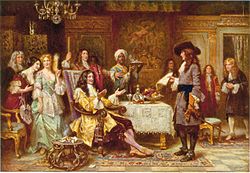
Key Facts
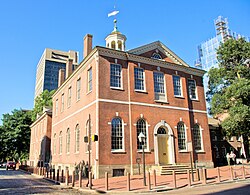
- Founded: 1682 by William Penn.
- Population: Approximately 1,603,797 (2020 Census).
- Economic Power: A consolidated city-county GDP of $134.989 billion (2024).
- Global Standing: 6th largest city in the United States and 13th in North America.
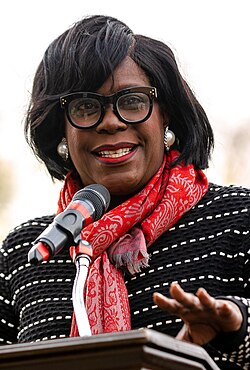
- Government: Mayor-council system, currently led by Mayor Cherelle Parker.
A Legacy of Freedom and Foundation
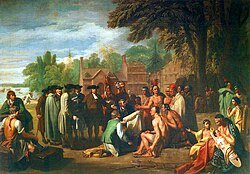
The story of Philadelphia began in 1682 when William Penn founded the city as a haven for Quakers. Penn's commitment to peace was exemplified in his early relations with the native inhabitants, specifically the Lenape tribe.
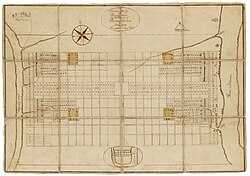
Early city planning was meticulous, with the original 1683 map showing a city bounded by the Delaware River to the east and the Schuylkill River to the west.
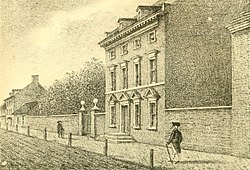
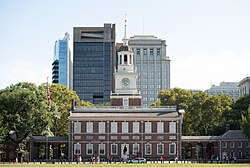
Philadelphia's role in the American Revolution is unparalleled. Independence Hall stands as the site where the Declaration of Independence was signed on July 4, 1776, and the U.S. Constitution was ratified on June 21, 1788. The city also served as the temporary national capital from 1790 to 1800, with the President's House on Market Street hosting George Washington and John Adams.
![The Committee of Five presenting their draft of the Declaration of Independence in Independence Hall on June 28, 1776, depicted in an 1818 painting by John Trumbull; historian Joseph Ellis called the Declaration "the most potent and consequential words in American history."[52]](/images/55/c9/55c94705f58a403e12ba1828b270f28f77dc7c01c8257b5b3219c24e2c204127.webp)
Urban Evolution and Architecture
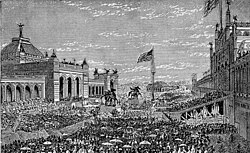
From its colonial beginnings, Philadelphia evolved into a center of innovation and grandeur. In 1876, the city hosted the Centennial Exposition, the first world fair held in the United States, marking the 100th anniversary of the nation's founding.
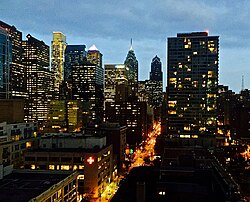
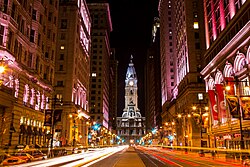
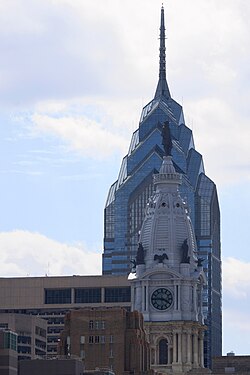
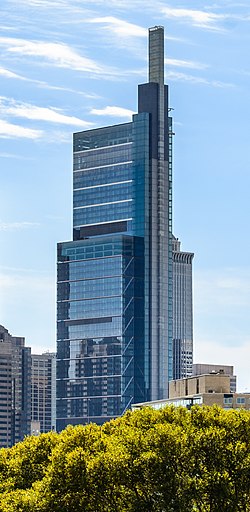
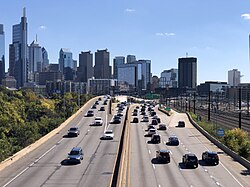
The city's architecture is a blend of historic styles and modern ambition. Philadelphia City Hall, a masterpiece of Second Empire style built between 1871 and 1901, remains a central landmark. In contrast, the skyline is now defined by the Comcast Technology Center, the tallest building in the city.
Parks and Public Spaces
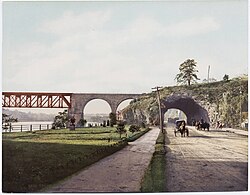
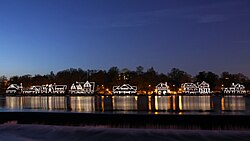
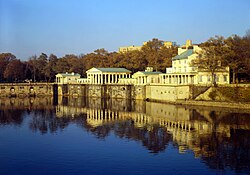
Nature is integrated into the urban fabric through Fairmount Park, one of the world's largest public parks, and the scenic Boathouse Row on the Schuylkill River, which symbolizes the city's long history of competitive rowing.
Culture, Diversity, and Economy
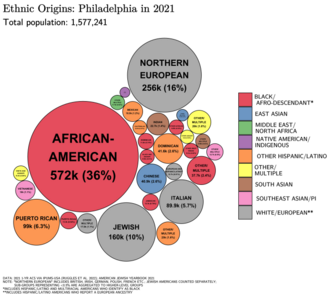
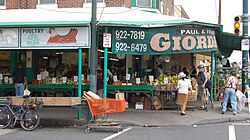
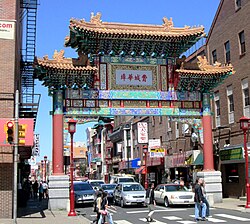
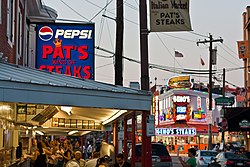
Philadelphia is a melting pot of ethnic origins and cultural influences. From the historic Italian Market in South Philadelphia to the vibrant Chinatown—symbolized by the paifang (traditional gateway) at 10th and Arch streets—the city celebrates a wide array of heritages.
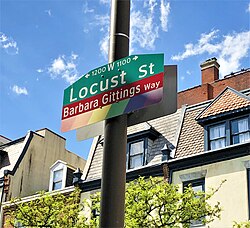
The city is also a beacon of inclusivity, with areas like the "Gayborhood" and landmarks such as Barbara Gittings Way reflecting its commitment to LGBTQ+ rights.
Economic Drivers and Education
The economy is bolstered by major corporations, most notably Comcast, which ranks highly on the Fortune 500. The city's financial history is deep, having hosted the nation's first stock exchange.
Education is a cornerstone of the community, featuring the University of Pennsylvania and the William Penn Charter School, the oldest Quaker school in the nation. The city is also home to the world-renowned Curtis Institute of Music.
Arts, Sports, and Lifestyle
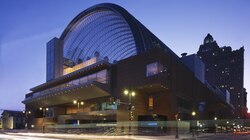
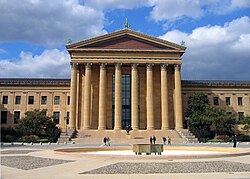
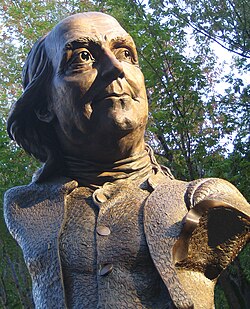
Philadelphia is a global destination for the arts, boasting the Philadelphia Museum of Art and the Kimmel Center for the Performing Arts. The city also honors its intellectual giants, such as Benjamin Franklin, with various monuments throughout Center City.
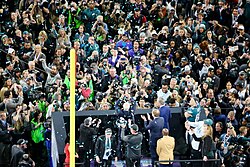
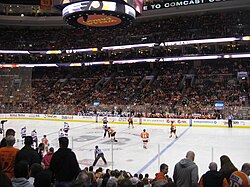
Sports are a passion for Philadelphians. The city supports several major league teams, including the Phillies (MLB), Eagles (NFL), 76ers (NBA), and Flyers (NHL). The Eagles' victory in Super Bowl LII in 2018 remains a highlight of recent sporting history.
No visit to Philly is complete without experiencing its culinary staples, particularly the famous rivalry between Pat's Steaks and Geno's Steaks in South Philadelphia.
Infrastructure and Geography
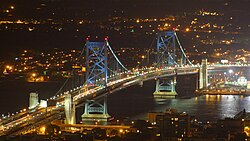
Philadelphia's geography is defined by its position between two rivers. The Benjamin Franklin Bridge spans the Delaware River, connecting the city to South Jersey.
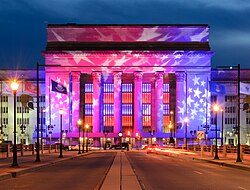
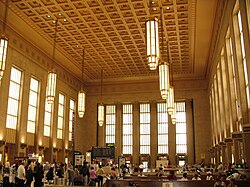
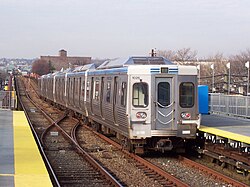
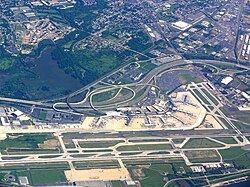
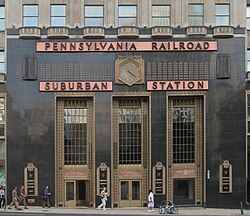
Transportation is managed through a complex network including SEPTA regional rail and the 30th Street Station, which is Amtrak's third-busiest station in the U.S. For air travel, Philadelphia International Airport serves as the busiest airport in Pennsylvania.
Climate Overview
The city experiences a varied climate with distinct seasons. Summers are typically hot and humid, while winters can be cold with significant snowfall. Average precipitation is distributed throughout the year, totaling approximately 44.11 inches annually.
| Month | Mean Max Temp (°F) | Mean Min Temp (°F) | Avg Precipitation (in) |
|---|---|---|---|
| January | 41.3 | 26.0 | 3.13 |
| April | 64.7 | 44.3 | 3.47 |
| July | 87.8 | 69.6 | 4.38 |
| October | 67.2 | 49.2 | 3.47 |
Frequently Asked Questions
Who founded Philadelphia and when?
Philadelphia was founded in 1682 by William Penn.
What is the significance of Independence Hall?
Independence Hall is where the Declaration of Independence was signed on July 4, 1776, and the U.S. Constitution was ratified on June 21, 1788.
Which is the tallest building in Philadelphia?
The Comcast Technology Center in Center City is the tallest building in the city.
What are the major professional sports teams in Philadelphia?
The city is home to the Phillies (MLB), Eagles (NFL), 76ers (NBA), and Flyers (NHL).
How does the city's population rank in the United States?
Philadelphia is the 6th largest city in the United States and the 1st largest in Pennsylvania.