Peru National Football Team: A Legacy of Passion and Glory
Known by affectionate nicknames such as La Blanquirroja (The White and Red), La Bicolor, and Los Incas, the Peru national football team is a cornerstone of South American sports. Managed by the Federación Peruana de Fútbol (FPF) and competing within CONMEBOL, the team has a storied history characterized by technical brilliance and a deep connection with its supporters.
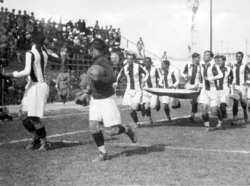
From their early days in the 1920s to their modern resurgence, Peru has consistently aimed to challenge the giants of South American football, blending a traditional style of play with a fierce competitive spirit.
Key Facts
- Most Capped Player: Yoshimar Yotún (134 appearances).
- All-Time Top Scorer: Paolo Guerrero (40 goals).
- Major Honours: Two-time Copa América Champions (1939, 1975).
- World Cup Peak: Reached the Quarter-finals in 1970 and 1978.
- Home Ground: Estadio Nacional in Lima.
- Highest FIFA Ranking: 10th (October 2017).
Historical Journey and Major Tournaments
The Early Years and Copa América Success
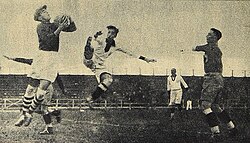
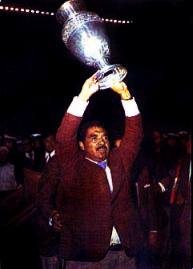
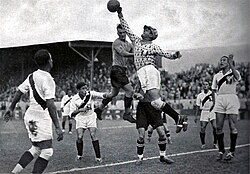
Peru made its international debut on November 1, 1927, in a match against Uruguay in Lima. The team quickly established itself as a continental force, participating in the South American Championship (now known as the Copa América). Peru's crowning achievements in this competition came in 1939 and 1975, when they were crowned champions of South America.
World Cup Ambitions
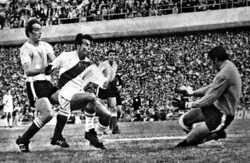
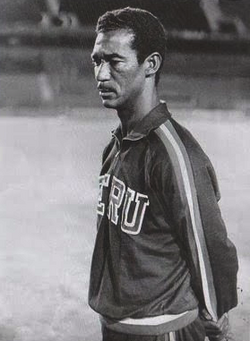
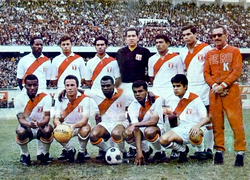
Peru has appeared in the FIFA World Cup five times, with their first appearance occurring in 1930. The team's golden era in the tournament took place during the 1970s, where they reached the Quarter-finals in both 1970 and 1978. The 1970 campaign was particularly memorable, guided by manager Didi and fueled by the goals of legends like Oswaldo Ramírez.
Other International Competitions
Beyond the World Cup and Copa América, Peru has ventured into other tournaments. They achieved a fourth-place finish in the Panamerican Championship in 1952 and 1956, and reached the semi-finals of the CONCACAF Gold Cup in 2000. They also hold a gold medal from the 1938 Bolivarian Games.
Team Identity and Icons
The Iconic Kit
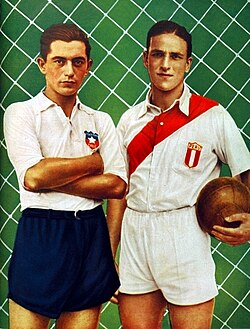
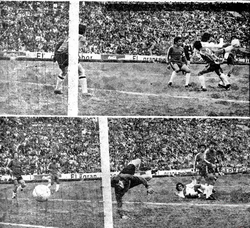
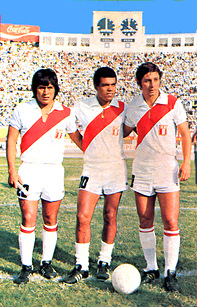
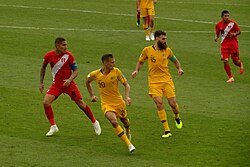
The Peruvian national team is instantly recognizable by its white shirt featuring a distinctive red sash. This design has been used continuously since 1936, symbolizing the national identity on the pitch.
Legendary Players
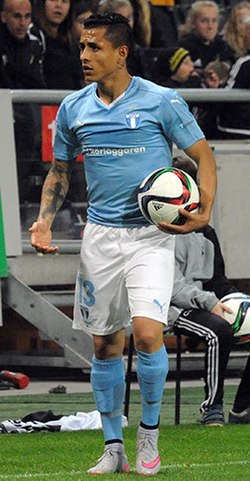
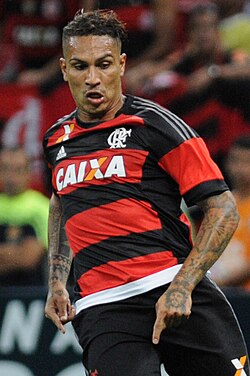
The history of the team is written by its stars. Paolo Guerrero stands as the most prolific striker with 40 goals, while Yoshimar Yotún holds the record for the most appearances at 134. Other legendary figures include Teófilo Cubillas, Hugo Sotil, and Roberto Chale, who defined the team's attacking flair in the 1970s.
Performance Summary
| Competition | Appearances | Best Result | Titles |
|---|---|---|---|
| FIFA World Cup | 5 | Quarter-finals (1970, 1978) | 0 |
| Copa América | 34 | Champions (1939, 1975) | 2 |
| Panamerican Championship | 2 | Fourth place (1952, 1956) | 0 |
| CONCACAF Gold Cup | 1 | Semi-finals (2000) | 0 |
Supporters and Culture
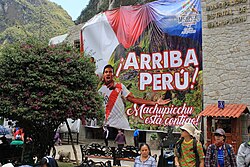
Football is more than a sport in Peru; it is a cultural phenomenon. From the Estadio Nacional in Lima to the towns below Machu Picchu, the cheer ¡Arriba Perú! unites the nation. The team's rivalry with neighbors like Chile and Ecuador adds an extra layer of intensity to their CONMEBOL encounters.
Frequently Asked Questions
Who is the all-time top scorer for Peru?
Paolo Guerrero is the top scorer for the Peru national team, having scored 40 goals in 128 appearances.
Which years did Peru win the Copa América?
Peru has won the Copa América (formerly the South American Championship) twice, in 1939 and 1975.
What is the best result Peru has achieved in the FIFA World Cup?
Peru's best World Cup performance was reaching the Quarter-finals, a feat they achieved in both 1970 and 1978.
Who holds the record for the most caps for Peru?
Yoshimar Yotún is the most capped player in the team's history with 134 appearances.
What is the significance of the red sash on the jersey?
The red sash is a traditional element of the Peruvian kit and has been worn continuously on the white shirts since 1936.