Pend d'Oreille People: History, Culture, and Heritage
The Pend d'Oreille people possess a rich cultural legacy rooted in the landscapes of the Pacific Northwest. Believed to have migrated south from British Columbia, this Indigenous group established a deep connection with the land and waters of their ancestral territories, developing unique survival strategies and social structures that persisted through centuries of change.
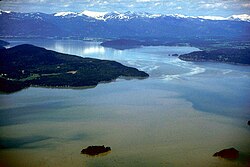
One of the most significant landmarks of their traditional territory is Lake Pend Oreille, which served as a central hub for their community and spiritual life.
Key Facts
- Migration: Originated from British Columbia, moving southward.
- Housing: Utilized seasonal dwellings made from woven cattails known as tule mats.
- Trade: Exchanged bison hides for horses and other essential goods.
- Division: Split into upper and lower divisions in 1855.
- Modern Presence: The Kalispel Tribe continues traditions via an annual pow wow in Usk, Washington.
Historical Timeline and Territorial Shifts
The 19th century brought significant external influences to the Pend d'Oreille territory. In 1809, the North West Company established a trading post known as Kullyspell House, marking an increase in commercial interaction. This was followed in 1846 by the establishment of a Roman Catholic mission by Jesuit missionaries.
The mid-to-late 1800s were marked by territorial reorganization. In 1855, the tribe split into upper and lower divisions. The upper division relocated to the Flathead Reservation in Montana, and by 1887, one of the two lower bands joined them there.
Conflict and Displacement
The transition to reservation life was not without strife. The Upper Pend d'Oreille on the Flathead Reservation entered into a dispute with the state of Montana regarding off-reservation hunting rights. This tension culminated in the Swan Valley Massacre of 1908.
Traditional Lifestyle and Material Culture
The Pend d'Oreille developed a sophisticated material culture based on the natural resources available in their environment. They crafted essential tools and weapons from flint and various other stones.
Seasonal Housing and Tule Mats
Housing was adapted to the seasons. During the summer, the people lived in tipis, while winter required more permanent lodges. These structures were constructed using large cattails, which were abundant in the region. The cattails were woven into tule mats—sturdy woven panels—which were then attached to frames made of tree branches to create protective huts. This legacy is honored today through the "Tule Hut" community building on the Kalispel reservation.
Clothing and Artistry
Clothing was primarily sourced from animal skins, specifically deer hides and rabbit pelts. To add aesthetic value and cultural meaning, these hides were embellished using a variety of techniques, including the use of paints, dyes, beads, and porcupine quills.
Cultural Continuity and the Pow Wow
Despite being dispossessed of their hereditary lands around Lake Pend Oreille, the Pend d'Oreille band of Kalispel maintained their connection to their roots. For many years, they gathered just east of what is now Sandpoint City Beach for an annual three-day pow wow—a social gathering involving dancing, ceremonies, and traditional stick games. While these specific gatherings in Sandpoint ended in the early 1950s, the tradition evolved.
Since 1975, the Kalispel Tribe has hosted an annual pow wow every July or August at its reservation in Usk, Washington. These public events keep the culture alive through dance contests, traditional foods, and stick games.
| Category | Details |
|---|---|
| Traditional Materials | Flint, cattails (tule), deer hide, rabbit pelt, porcupine quills |
| Key Locations | Lake Pend Oreille, Kullyspell House, Flathead Reservation, Usk Reservation |
| Significant Events | 1855 Tribal Split, 1908 Swan Valley Massacre |
| Cultural Practices | Bison hide trading, pow wows, traditional stick games |
Frequently Asked Questions
What are tule mats?
Tule mats are woven panels made from abundant cattails, which the Pend d'Oreille used to cover tree branch frames to create winter lodges and summer huts.
Where did the Pend d'Oreille people originate?
They are believed to have migrated south from British Columbia into their traditional territories.
What was the significance of Kullyspell House?
Established in 1809 by the North West Company, Kullyspell House served as a primary trading post within the Pend d'Oreille territory.
What happened during the Swan Valley Massacre?
The 1908 massacre resulted from a dispute between the state of Montana and the Upper Pend d'Oreille over the right to hunt off the reservation.
Where can the public experience Kalispel traditions today?
The Kalispel Tribe holds an annual public pow wow in Usk, Washington, typically during July or August, featuring traditional foods, dancing, and games.