Pedestrian Zones: Transforming Urban Spaces for People
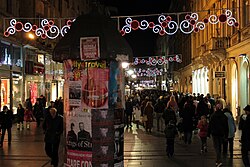
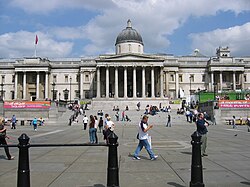
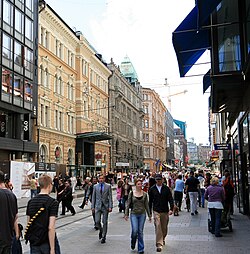
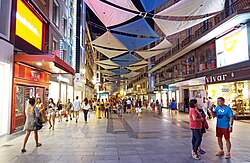
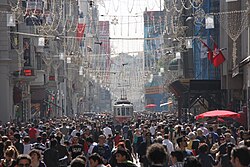
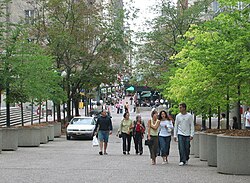
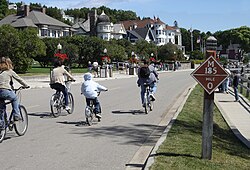
In the heart of the world's most vibrant cities, a quiet revolution is taking place. Pedestrian zones—also known as car-free zones, pedestrian precincts (UK), street malls (Canada), or pedestrian malls (US and Australia)—are dedicated urban areas restricted to people on foot or human-powered transport, such as bicycles. By removing non-emergency motor traffic, cities are reclaiming the streets for their citizens.
The process of converting a standard street into a pedestrian-only area is known as pedestrianization. This urban planning strategy aims to improve accessibility, boost local business activity, and enhance the overall environment by reducing noise, air pollution, and vehicle-pedestrian collisions.
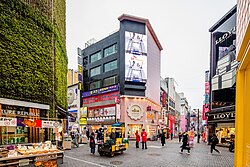
Key Facts
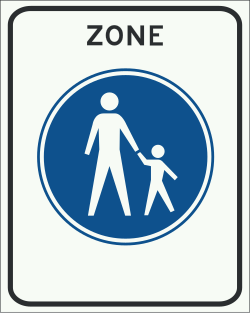
- Primary Goal: To increase pedestrian mobility, safety, and retail turnover while reducing pollution.
- First Instance: The first known pedestrianization of an existing street occurred around 1929 in Essen, Germany.
- Global Reach: From the Lijnbaan in Rotterdam to the Third Street Promenade in Santa Monica, these zones exist on every continent.
- Economic Impact: Often associated with increased property values and higher retail sales.
- Environmental Benefit: Significant reductions in local noise and air pollution.
The Evolution of Car-Free Spaces
Early Origins and the Mid-Century Shift
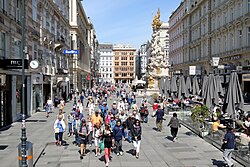
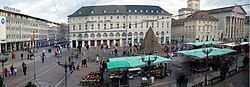
The concept began in the late 1920s in Germany, specifically on Limbecker Straße in Essen, where narrow streets could no longer support both cars and people. Following World War II, many European cities implemented ad hoc pedestrian plans. By 1955, twenty-one German cities had closed at least one street to cars, though only four were purpose-built for pedestrians.
The Rise of the Pedestrian Mall (1960s–1990s)
In 1959, Kalamazoo became the first U.S. city to implement a "pedestrian mall" to compete with the rise of suburban shopping centers. While over 200 U.S. towns adopted this in the 60s and 70s, many of these malls struggled by the 1980s and were eventually reopened to traffic. In contrast, European cities like Copenhagen saw massive growth; the Strøget area expanded from 15,800 square metres in 1962 to over 95,000 square metres by 1996.
Modern Renaissance and the Pandemic Effect
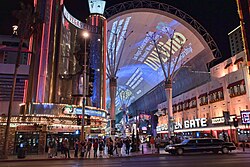
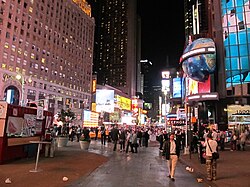
Recent years have seen a resurgence in pedestrianization. Major tourist hubs like New York City's Times Square and Las Vegas's Fremont Street Experience have successfully integrated car-free zones. Furthermore, the COVID-19 pandemic accelerated the trend, with cities experimenting with temporary car-free streets to allow for social distancing and improved public health.
Global Examples of Pedestrianization
Europe
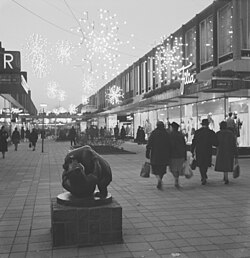
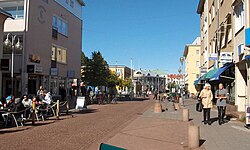
Europe leads the way in comprehensive car-free planning. Ghent, Belgium, operates one of the largest car-free areas in Europe, extending to over 50 hectares. Pontevedra, Spain, serves as an international model with nearly 50% of the city pedestrianized. In the Netherlands, Rotterdam's Lijnbaan became Europe's first purpose-built pedestrian street after the city was rebuilt following WWII bombing.
The Americas
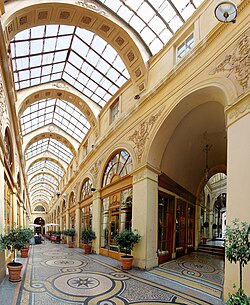
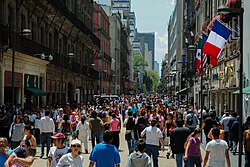
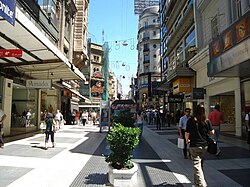
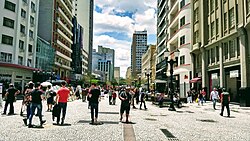
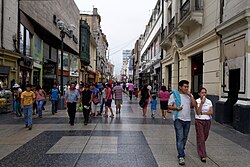
In North America, Canada features notable examples like the Sparks Street Mall in Ottawa and the Distillery District in Toronto. In Latin America, Mexico City's Historic center is aggressively expanding, moving from 12 pedestrian streets to a planned 42. Other significant zones include Florida Street in Buenos Aires and Rua XV de Novembro in Curitiba.
Asia and Oceania
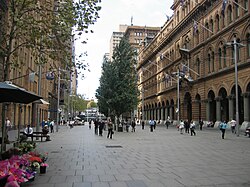
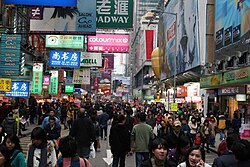
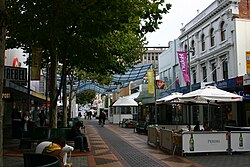
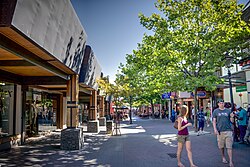
Hong Kong has implemented various full-time and part-time zones, with Sai Yeung Choi Street being among the most popular. Australia has a strong tradition of pedestrian malls in every capital city, including Martin Place in Sydney and Bourke Street Mall in Melbourne. Research by Jan Gehl showed that public domain improvements in Melbourne led to a 39% increase in pedestrian traffic between 1994 and 2004.
Comparison of Global Pedestrian Zones
| City/Region | Notable Zone | Key Characteristic |
|---|---|---|
| Rotterdam, NL | Lijnbaan | Europe's first purpose-built pedestrian street. |
| Copenhagen, DK | Strøget | One of the oldest and largest interconnected zones. |
| Pontevedra, ES | City Center | Nearly 50% of the city is pedestrianized. |
| Melbourne, AU | Bourke Street Mall | High traffic volume (81,000 pedestrians on summer weekdays). |
| Mexico City, MX | Madero Street | Part of a growing network of 42 pedestrian streets. |
Frequently Asked Questions
What is the difference between a pedestrian zone and a pedestrian village?
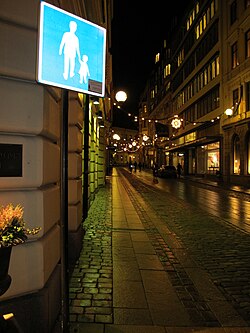
A pedestrian zone is typically a specific street or area within an existing city that is restricted to foot traffic. A pedestrian village refers to a broader urban planning approach for mixed-use areas that prioritize pedestrians from the ground up.
Do pedestrian zones always help local businesses?
While many schemes are associated with increased retail turnover and property values, results vary. In the U.S. during the 1980s, some retailers requested the return of car access because they felt the zones could not compete with enclosed suburban malls.
How do businesses receive deliveries in car-free zones?
Most zones allow limited access for logistics. For example, in Rotterdam, delivery trucks are often permitted during specific "window times," such as 5:00 a.m. to 10:30 a.m.
Does pedestrianization just move traffic to other streets?
In some cases, motor traffic in surrounding areas may increase because the traffic is displaced rather than replaced. However, this is often weighed against the benefits of reduced pollution and increased safety within the zone itself.
Which city has one of the largest car-free areas in Europe?
Ghent, Belgium, is one of the largest, with its pedestrian zone extending to more than 50 hectares (123 acres) as of 2017.