Pavia: The Historic Capital of Lombardy
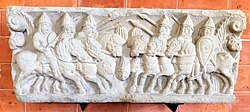
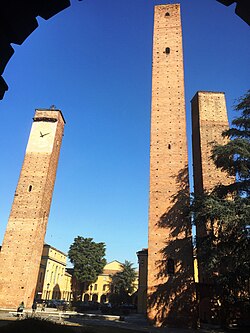
Known as the Seconda Roma (Second Rome) and the Città dalle cento torri (City of a Hundred Towers), Pavia is a city steeped in political and academic prestige. Located in the Lombardy region of Italy along the banks of the Ticino River, Pavia served as a pivotal power center for centuries, acting as the capital for several successive kingdoms before evolving into a world-renowned center of learning.
From its role as the seat of the Ostrogothic and Lombard kings to its association with the influential Visconti dynasty, the city's architecture and layout reflect a layered history of European governance and culture.
Key Facts
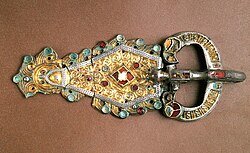
- Historical Status: Former capital of the Ostrogothic Kingdom (540–553), Kingdom of the Lombards (572–774), and Kingdom of Italy (774–1024).
- Academic Hub: Home to the prestigious University of Pavia, featuring the historic Old Campus.
- Geography: Situated at an elevation of 77 meters in the Lombardy region, bordering the Ticino River.
- Population: Approximately 71,646 residents as of June 2025.
- Notable Residents: Associated with figures such as Alessandro Volta, Albert Einstein, and Camillo Golgi.
A Legacy of Power: From Ostrogoths to Visconti
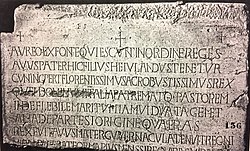
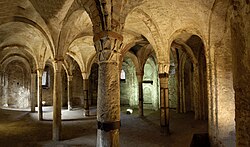
Pavia's early prominence was defined by its strategic importance. It served as the capital of the Ostrogothic Kingdom in the mid-6th century and later became the heart of the Lombard Kingdom. During the Lombard era, the city saw the construction of significant religious sites, including the basilica of Santissimo Salvatore, built by Aripert I in 657 as a royal mausoleum.
![This painting by Josse Lieferinxe depicts an outbreak of the plague in seventh-century Pavia (then under the Lombard Kingdom).[8] The Walters Art Museum.](/images/b1/10/b110b77c2788a6fc100cad2684ac9c5747d6e12283af8204e4ead58721387452.jpg)
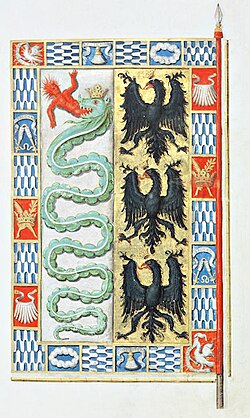
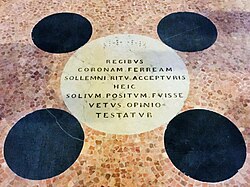
The city continued its political ascent as the capital of the Kingdom of Italy until 1024. Later, between 1365 and 1413, Pavia became the seat of the Visconti court, further cementing its status as a center of administrative and artistic influence.
Architectural Landmarks and Main Sights
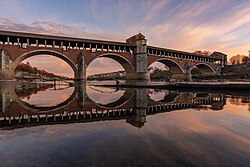
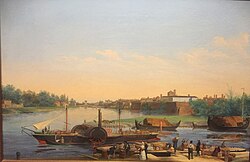
Pavia is characterized by a blend of Roman, Medieval, and Baroque architecture. One of its most iconic structures is the Ponte Coperto, a stone and brick arch bridge over the Ticino. While the original 1354 structure was damaged during World War II and partially collapsed in 1947, the current bridge stands as a symbol of the city's resilience.
Religious and Civic Monuments
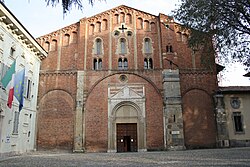
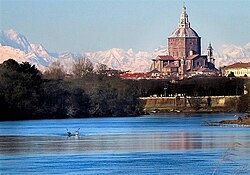
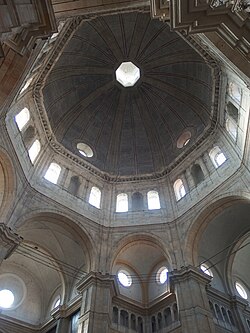
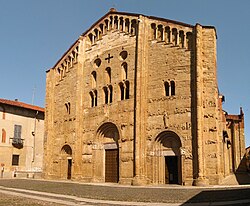
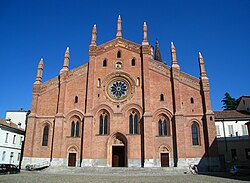
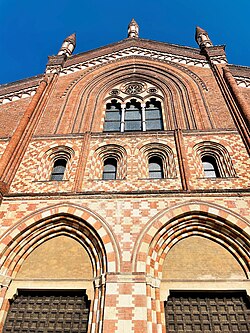
The city's skyline is punctuated by the dome of the cathedral and the imposing Basilica of San Michele Maggiore. Other notable sites include:
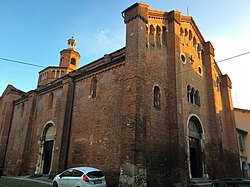
- Church Santa Maria Gualtieri: Founded in 989, this site now serves as a venue for exhibitions and concerts.
- Monastery of Santa Maria Teodote: Founded by King Cunipert between 679 and 700, it now houses the diocesan seminary.
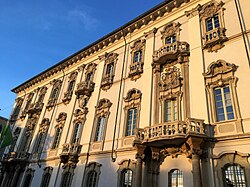
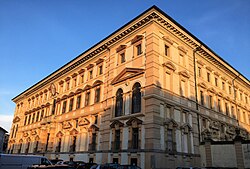
- Palazzo Mezzabarba: A Rococo-style building constructed between 1726 and 1732, which currently serves as the city hall.
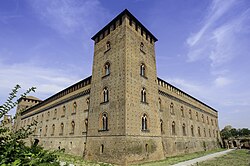
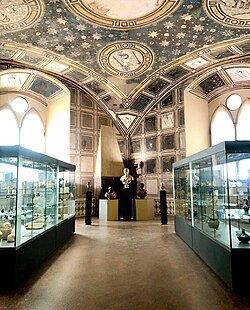
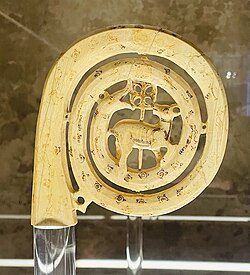
- Visconti Castle: A fortress that now houses the Civic Museums.
Academic and Scientific Heritage
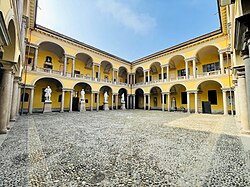
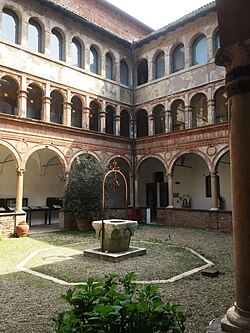
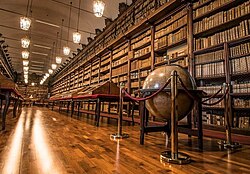
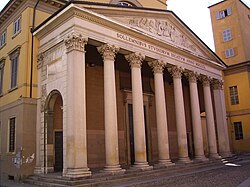
The University of Pavia is one of the city's most defining features. The Old Campus, established by Ludovico il Moro between 1485 and 1490 and later expanded by Giuseppe Piermarini, represents centuries of intellectual pursuit.
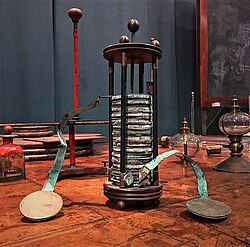
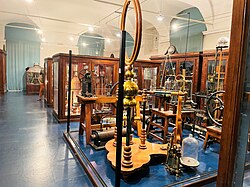
The city's connection to science is profound. Alessandro Volta, the inventor of the battery, lived here, and his instruments are preserved in the University History Museum. Additionally, the city has ties to Albert Einstein, who resided in Palazzo Cornazzani between 1895 and 1896, and Hermann Einstein, who founded the Einstein-Garrone Electrotechnical Workshops in 1894.
Culture, Cuisine, and Nature
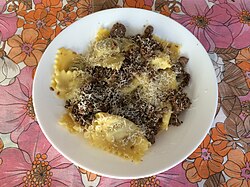
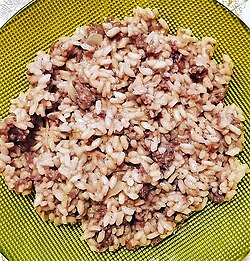
Pavia's culinary tradition is deeply rooted in the local landscape. Signature dishes include Pavese agnolotti (stuffed pasta with a stew-based sauce) and risotto prepared with sausage and Bonarda wine.
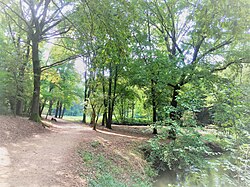
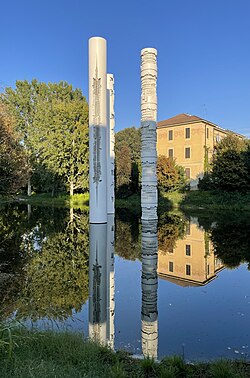
For those seeking nature, the Vernavola Park and the Horti Borromaici offer serene escapes. The latter features modern art, such as Arnaldo Pomodoro's Triade (1979), blending botanical beauty with contemporary sculpture.
City Overview Summary
| Category | Details |
|---|---|
| Region | Lombardy, Italy |
| Total Area | 62 km² |
| Population | 71,646 (2025) |
| Elevation | 77 m |
| Patron Saints | Syrus of Pavia, St. Augustine, St. Theodore |
Frequently Asked Questions
Why is Pavia called the "Second Rome"?
Pavia earned this nickname due to its immense political importance during the Middle Ages, serving as the capital for the Ostrogothic, Lombard, and early Italian kingdoms.
What is the significance of the Ponte Coperto?
The Ponte Coperto is a landmark bridge over the Ticino River. Although the current version is a post-WWII reconstruction, it represents the city's historical connection to the river and its architectural heritage.
Which famous scientists are associated with Pavia?
The city is closely linked to Alessandro Volta, who invented the voltaic pile (battery), and Camillo Golgi, a Nobel laureate in biology. Albert Einstein also spent time living in the city.
What are the traditional foods of Pavia?
Pavia is known for its Pavese agnolotti, a type of stuffed pasta, and various risotto dishes, including those made with Bonarda wine and sausage.
What is the role of the University of Pavia today?
The University remains a central pillar of the city, maintaining its historic campuses and continuing its legacy as a leading institution for research and higher education in Italy.