Emilia-Romagna: Italy's Vibrant Heart of Culture, Cuisine, and Speed
Located in northern Italy, Emilia-Romagna is a region defined by its dual identity, merging the historical territories of Emilia and Romagna. From the rolling hills of the Apennines to the sun-drenched Adriatic coast, this administrative region offers a diverse landscape that has shaped its rich history, world-class gastronomy, and legendary status in the world of motorsports.
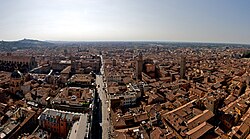
With its capital in the historic city of Bologna, Emilia-Romagna serves as a vital economic and cultural hub. It is a place where ancient Roman roots meet cutting-edge industrial innovation, creating a unique tapestry of life that attracts millions of visitors and residents alike.

Key Facts
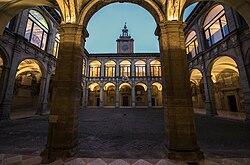
- Capital: Bologna
- Population: Approximately 4.46 million (2025 estimate)
- Total Area: 22,509.67 km²
- GDP: €198.395 billion (2024)
- HDI: 0.935 (Very High, ranked 1st of 21)
- Major Industries: Agriculture, manufacturing, and motorsports
A Journey Through History

The history of the region is as layered as its landscape. During Roman times, the area of Emilia was governed by imperial judges. Following the fall of the Western Roman Empire in the 5th century, the Germanic Lombards established a kingdom that flourished until the Frankish king Charlemagne overthrew the dynasty in 774.
While the Lombards ruled Emilia, the Romagna region remained under Byzantine rule, with Ravenna serving as the capital of the Exarchate of Italy. By the 8th century, following the donation of land by Pepin to the Pope in 754, much of the region became part of the Papal States. It wasn't until the 19th-century movement for Italian national unity that the territories were incorporated into the newly established Kingdom of Italy in 1861.

Modern Challenges and Resilience
The region has faced significant modern trials, most notably the powerful earthquakes that struck the central area in May 2012. These seismic events caused substantial damage to both manufacturing facilities and precious artistic heritage, leaving thousands temporarily homeless. Despite these challenges, the region has shown remarkable resilience in rebuilding its infrastructure and economy.
Geography and Natural Landscapes
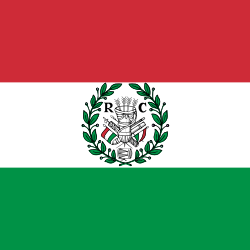
Emilia-Romagna features a varied topography: nearly half (48%) is composed of plains, 27% is hilly, and 25% is mountainous. The Apennines mountain range stretches over 300 km through the region, featuring peaks such as Monte Cimone, which reaches 2,165 meters.

The vegetation is organized into distinct belts, ranging from the common oak and European hornbeam in the Padan plain to the European beech and silver fir in the higher altitudes. The region is home to two significant Italian National Parks: the Foreste Casentinesi National Park and the Appennino Tosco-Emiliano National Park.

Land Use and Agriculture
The fertile Emilia-Romagna plain is the agricultural backbone of the region, supporting a large portion of the population. However, increasing urbanization has led to a reduction in arable land. Agriculture remains a vital sector, characterized by a strong tradition of farm cooperatives, with approximately 8,100 cooperatives operating in the region, particularly in the provinces of Bologna and Forlì-Cesena.

Economic Powerhouse: Industry and Transport

Emilia-Romagna is a strategic commercial center for Italy. Its transport network is highly developed, featuring 574 km of motorways and 1,053 km of railways. Bologna serves as a primary railway hub, boasting the largest freight station in Italy by traffic volume.

The region is also globally renowned for its automotive industry. It is the birthplace of legendary brands like Ferrari, Lamborghini, Maserati, and Ducati. This concentration of engineering excellence has made the region a global leader in high-performance vehicle manufacturing.


Culture, Cinema, and Sport

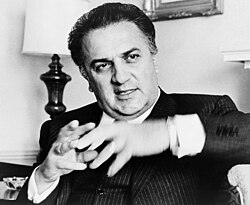
The cultural impact of Emilia-Romagna is profound, particularly in the realm of cinema. The region has produced world-renowned filmmakers such as Federico Fellini, a native of Rimini, and Pier Paolo Pasolini, a native of Bologna. Many iconic films have been shot against the backdrop of the region's unique landscapes.
Motorsports and Football
Beyond the streets, the region thrives on the racetrack. Ducati Corse is a dominant force in MotoGP and the Superbike World Championship. Additionally, the region hosts major international circuits like the Autodromo Enzo e Dino Ferrari in Imola and the circuit in Misano Adriatico.
![A Ferrari 248 F1 by Scuderia Ferrari, the oldest surviving team in Grand Prix racing,[45] having competed since 1948, and statistically the most successful Formula One team in history](/images/f9/d6/f9d6febfcb8f77cc8c72f8132f83fcebe85e351e5ac78c84c19bb2425655451a.jpg)

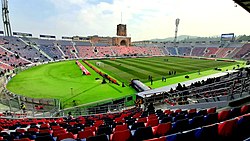
In the world of football, Emilia-Romagna is a competitive landscape, hosting 11 professional clubs including Bologna, Parma, and Sassuolo. The region's passion for the sport is evident in its massive number of registered players and amateur clubs.
Gastronomy: A Taste of Italy

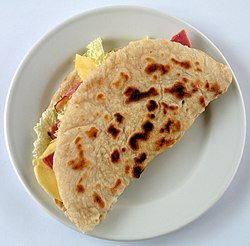
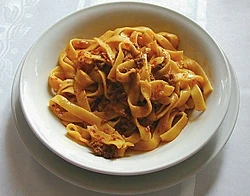
No discussion of Emilia-Romagna is complete without mentioning its cuisine. The region is famous for high-quality products such as Parmesan cheese, Tagliatelle with ragù, and the local specialty Piadina.

Regional Summary
| Category | Data/Value |
|---|---|
| Capital City | Bologna |
| Total Area | 22,509.67 km² |
| Population (2025) | 4,465,678 |
| GDP (2024) | €198.395 billion |
| HDI (2022) | 0.935 |
| Major Provinces | Bologna, Ferrara, Forlì-Cesena, Modena, Parma, Piacenza, Ravenna, Reggio Emilia, Rimini |
Frequently Asked Questions


What are the main historical periods of Emilia-Romagna?
The region has been shaped by Roman rule, the Lombard kingdom, Byzantine rule in Ravenna, and the Papal States, before eventually becoming part of the unified Kingdom of Italy in 1861.
Which cities are the largest in the region?
Bologna is the largest city, followed by Parma, Modena, Reggio nell'Emilia, Ravenna, and Rimini.
Is Emilia-Romagna known for its industry?
Yes, it is a global leader in the automotive and motorsports industries, home to iconic brands like Ferrari, Lamborghini, and Ducati.
What kind of landscape can be found in the region?
The region features a diverse landscape including the fertile Padan plain, rolling hills, and the mountainous Apennines.
What is the significance of the Port of Ravenna?
The Port of Ravenna is the largest in the region and the second largest in the Adriatic Sea, serving as a major hub for freight traffic.