Paramilitary Forces: Definition, Organization, and Characteristics
In the landscape of global security and political conflict, the term paramilitary describes a specific type of armed organization. While these groups mirror the structure and function of a traditional army, they operate outside the boundaries of professional or legitimate state military status. These forces often occupy a gray area between civilian law enforcement and formal national defense.
Defining the Paramilitary
A paramilitary is an armed, militarized force organized in a manner analogous to a military force, yet lacking professional or legitimate status. The term first appeared in the Oxford English Dictionary in 1934 and has since been used to describe a wide array of political organizations globally.
Because they lack official state legitimacy, paramilitaries are frequently associated with systemic violence, including political repression, ethnic cleansing, genocide, and crimes against humanity.
Organization and Equipment
Paramilitary units often blend military tactics with skills derived from other specialized fields, such as search and rescue, coast guard operations, or law enforcement. This hybrid approach allows them to operate effectively in various internal security environments.
To maintain their operational capabilities, these groups utilize a variety of combat-capable equipment. This often includes internal security or SWAT (Special Weapons and Tactics) vehicles, as well as military surplus resources such as armored personnel carriers.
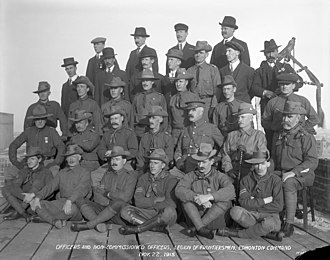
Relationship with Formal Militaries
The relationship between a paramilitary force and a legitimate national army can vary. In some instances, a paramilitary unit may fall under the direct command of a military, train alongside professional soldiers, or be granted permission to use official military resources, despite not being formal members of the armed forces.
Key Facts
- Status: Organized like a military but lacks professional or legitimate status.
- Etymology: The term has been recognized in the Oxford English Dictionary since 1934.
- Equipment: Often utilizes military surplus, such as armored personnel carriers and SWAT vehicles.
- Associations: Frequently linked to political repression and crimes against humanity.
- Integration: May train with or be commanded by official military forces without being part of them.
| Feature | Paramilitary Force | Professional Military |
|---|---|---|
| Legitimacy | Non-professional/Unrecognized | State-sanctioned/Legitimate |
| Organization | Analogous to military | Formal military hierarchy |
| Equipment | Surplus and security gear | Standardized military issue |
| Skill Sets | Hybrid (Law enforcement, SAR, etc.) | Specialized combat training |
Frequently Asked Questions
What is the primary difference between a military and a paramilitary?
The primary difference is legitimacy and professional status. While both are organized and armed similarly, a paramilitary force does not hold the official, professional status of a state's legitimate military.
What kind of equipment do paramilitary groups typically use?
They often use combat-capable kit such as SWAT vehicles or military surplus, including armored personnel carriers, to suit their specific operational needs.
Can a paramilitary be linked to a formal army?
Yes. Some paramilitaries may be under the command of a military, share training facilities, or have authorized access to military resources without being official members of that army.
What are the common negative associations with paramilitary groups?
Historically and globally, paramilitaries have often been synonymous with political repression, genocide, ethnic cleansing, and other crimes against humanity.
When did the term "paramilitary" first enter common usage?
According to the Oxford English Dictionary, the use of the term "paramilitary" can be traced back to 1934.