Papaveraceae: A Comprehensive Look at the Poppy Family
The Papaveraceae, commonly known as the poppy family, represents an economically and biologically significant group of flowering plants. Belonging to the order Ranunculales, this family comprises approximately 42 genera and roughly 775 known species. While they are found globally in temperate and subtropical climates—ranging from Eastern Asia to North America—they are notably rare in tropical regions.
Most members of this family are herbaceous plants, though the group also includes several shrubs and small trees. The family is characterized by its diverse, colorful flowers and a unique internal structure involving laticifers—specialized ducts that produce a milky latex, which can vary in color from white and yellow to red.
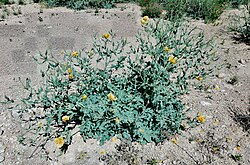
Key Facts
- Species Count: Approximately 775 known species.
- Global Presence: Cosmopolitan in temperate and subtropical zones; rare in the tropics.
- Distinctive Feature: Presence of laticifers that produce milky latex.
- Pollination: Primarily insect-pollinated (entomophilous), though some are wind-pollinated (anemophilous).
- Chemical Profile: Known for producing various isoquinoline-derived alkaloids.
Botanical Characteristics and Morphology
Papaveraceae species are easily recognized by their striking flowers and specific leaf structures. The leaves are typically alternate or whorled, often appearing lobed or pinnatifid (divided into several leaflets that are not entirely separate). These plants can exist as annuals, biennials, or perennials.
The reproductive structures of the poppy family are complex. Most flowers are hermaphroditic and feature a distinct calyx (sepals) and corolla (petals). A notable trait is that the number of sepals is often half the number of petals; for instance, a flower might have two sepals accompanying four petals. The flowers contain numerous stamens, typically ranging from 16 to 60, and a gynoecium consisting of a compound pistil with 2 to 100 carpels.
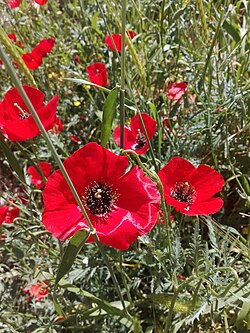
Upon maturity, the non-fleshy fruit—usually a capsule—breaks open to release small, oily seeds. Depending on the species, the seeds are released through pores (poricidal), partitions between cells (septicidal), or valves (valvular).
Taxonomic Classification
Under the APG III system, the Papaveraceae family includes two groups that were historically treated as separate families: Fumariaceae and Pteridophyllaceae. Modern molecular and morphological data suggest these are closely related, with some studies placing Pteridophyllaceae within the Fumarioideae subfamily.
Subfamilies of Papaveraceae
The family is broadly divided into two primary subfamilies: Fumarioideae and Papaveroideae.
Fumarioideae (The Fumewort Subfamily)
The Fumarioideae subfamily includes various tribes such as Hypecoeae and Fumarieae. These plants are often found in open, rocky, or alpine landscapes, frequently growing in vertical cracks or overhanging crevices. Notable genera include Corydalis and Dicentra.
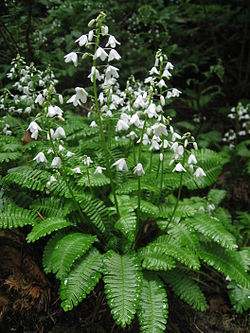
Papaveroideae (The Poppy Subfamily)
The Papaveroideae subfamily is more diverse in habitat, with many species preferring cooler, wooded undergrowth, while others have adapted to arctic, alpine, or arid Mediterranean environments. This subfamily includes the well-known Papaver genus.
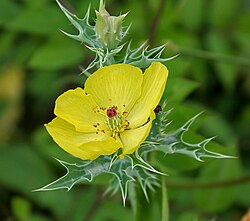
Key tribes within Papaveroideae include:
- Eschscholzieae: Includes genera like Eschscholzia.
- Chelidonieae: Includes Chelidonium and Glaucium.
- Papavereae: Includes the classical poppies like Papaver and Argemone.
Phytochemistry and Ecology
One of the most significant aspects of the Papaveraceae family is its phytochemistry. The plants are rich in isoquinoline-derived alkaloids, which provide various pharmacological properties. These include derivatives of morphinan, aporphine, and pavine. However, this chemical complexity also means many species are poisonous. For example, the Mexican prickly poppy can cause edema and glaucoma if ingested, and its toxins can even be passed into the milk of grazing animals.
The Fossil Record
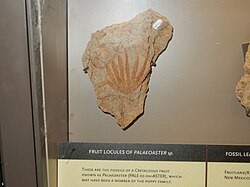
The history of the poppy family extends deep into the Cretaceous period. Fossils such as Palaeoaster inquirenda have been discovered in North American deposits dating back 74.5 to 64.5 million years. Some fossilized seed capsules show similarities to the modern genus Romneya.
Summary of Papaveraceae Traits
| Feature | Description |
|---|---|
| Order | Ranunculales |
| Growth Form | Primarily herbaceous; some shrubs and small trees |
| Latex Type | Milky (white, yellow, or red) |
| Fruit Type | Primarily capsules |
| Key Compounds | Isoquinoline-derived alkaloids |
Frequently Asked Questions
What are laticifers?
Laticifers are specialized ducts found in all parts of Papaveraceae plants that produce a milky latex, which can be white, yellow, or red.
Are all poppies poisonous?
Many species in the family are poisonous. For instance, the Mexican prickly poppy can cause serious health issues like glaucoma and edema if consumed.
How are poppies pollinated?
Most members of the poppy family are pollinated by insects (entomophilous), though a small number of species rely on wind (anemophilous) for pollination.
What is the difference between the two main subfamilies?
Fumarioideae species are often found in rocky, alpine, or vertical landscapes, while Papaveroideae species are more commonly found in wooded undergrowth, arctic, or arid environments.
Why is the corn poppy significant in history?
In Great Britain, Canada, the United States, and Australia, the corn poppy is worn as a symbol of remembrance for those who served in World War I.