Palestinian Kurds: History, Migration, and Population Centers
The presence of Kurdish populations in Palestine is a legacy of medieval conquests and strategic imperial settlements. Primarily arriving during the era of the Ayyubid dynasty—a Kurdish dynasty that rose to power during the Crusades—these groups were integrated into the region to serve both military and administrative purposes. Today, Kurds represent the largest ethnic minority in the West Bank, maintaining a historical connection to their roots despite centuries of cultural integration.
The Ayyubid Era and Strategic Settlement
The foundation of the Kurdish presence in Palestine began with the conquests of the Ayyubid dynasty. To secure the borders of their empire, Ayyubid rulers settled various Kurdish tribes throughout the region. These settlements were strategically placed, particularly in coastal areas, to act as a defensive buffer against attacks from the west during the Crusades.
Following the Ayyubid period, additional Kurdish clans migrated to Palestine, many of whom arrived during the subsequent rule of the Ottoman Empire. While these migrations reinforced the population, the ethnic distinctiveness of these groups evolved over time.
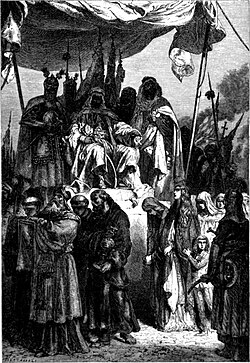
Ethnic Integration and the Ottoman Period
By the 16th century, the nature of Kurdish communities began to shift. Academics Bernard Lewis and Amnon Cohen note that there is little evidence that Kurdish quarters in Palestinian cities maintained a strictly ethnic character by this time. Although some Ottoman documents from the 16th century categorized Kurds as a separate religious group from the general Sunni Muslim population, Lewis and Cohen suggest they were likely not viewed as distinct from other inhabitants, even though certain city districts continued to be called "Kurdish quarters."
Regional Population Centers
Gaza
Kurdish settlement in the modern Gaza Strip dates back to the Ayyubid rule. Commanders under Saladin Ayyubi established castles in Gaza to maintain control and security. While many Palestinians in Gaza today are of Kurdish descent, they have become fully Arabized—meaning they have adopted Arabic language and culture—and no longer speak Kurdish, though they maintain a sense of connection to their ancestral identity.
Hebron
In 1187, the Kurdish Muslim leader Saladin retook Hebron, renaming the city Al-Khalil. According to one late tradition, this was achieved with Jewish assistance in exchange for a letter of security that allowed them to return to the city and establish a synagogue. During the early Ottoman period, a distinct Kurdish quarter remained in the town.
The city's history was marked by volatility during the Crusades. Richard the Lionheart retook Hebron shortly after Saladin, and later, Richard of Cornwall was brought from England to mediate dangerous feuding between the Templars and Hospitallers. This rivalry threatened a regional stability treaty established with the Egyptian Sultan As-Salih Ayyub. Despite Cornwall's efforts to impose peace, conflict resumed after his departure, leading to a damaging Templar raid on Muslim Hebron in 1241, which violated existing agreements.
Some estimates suggest that as many as one-third of Hebron's inhabitants (out of a population of 166,000) are of Kurdish origin. This legacy is preserved in the name of the Harat al-Akrad, known in English as the Quarter of Kurds.
Key Facts
- Origin: Many Palestinian Kurds descend from tribes settled by the Ayyubid dynasty during the Crusades.
- Strategic Purpose: Kurdish tribes were settled in coastal areas to protect the empire's borders from western attacks.
- Demographics: Kurds are the largest ethnic minority in the West Bank.
- Cultural Shift: In Gaza, descendants of Kurds are fully Arabized and no longer speak the Kurdish language.
- Hebron Presence: The Harat al-Akrad (Quarter of Kurds) is a historical marker of their presence in Hebron.
| City | Historical Context | Current Status/Legacy |
|---|---|---|
| Gaza | Ayyubid commanders built castles here. | Fully Arabized descendants; identity maintained without language. |
| Hebron | Retaken by Saladin in 1187; renamed Al-Khalil. | Presence of Harat al-Akrad; some claim 1/3 of population is of Kurdish origin. |
| West Bank (General) | Settlements under Ayyubid and Ottoman rule. | Largest ethnic minority in the region. |
Frequently Asked Questions
Who brought the Kurds to Palestine?
The majority of Kurdish settlements were established by the Ayyubid dynasty, particularly under the leadership of Saladin, to secure imperial borders and protect coastal regions during the Crusades.
Do Palestinian Kurds still speak the Kurdish language?
In areas like Gaza, the Kurdish population has become fully Arabized and no longer speaks the Kurdish language, although they still feel a connection to their Kurdish identity.
What is Harat al-Akrad?
Harat al-Akrad is the "Quarter of Kurds," a historical neighborhood in Hebron that signifies the long-standing presence of Kurdish inhabitants in the city.
How did the Ottoman Empire view the Kurds in Palestine?
Some 16th-century Ottoman documents regarded Kurds as a separate religious group from the general Sunni Muslim population, though historians Bernard Lewis and Amnon Cohen suggest they were generally not seen as distinct from other residents.
What role did Saladin play in Hebron?
Saladin retook Hebron in 1187 and renamed it Al-Khalil. Tradition suggests he did so with Jewish assistance in exchange for a security letter allowing them to return and build a synagogue.