Oxford: The Historic City of Dreaming Spires
Known globally as the City of Dreaming Spires, Oxford is a historic city and non-metropolitan district in Oxfordshire, England. Founded in the 8th century and granted city status in 1542, it is a place where academic prestige and medieval heritage blend seamlessly. Guided by the motto Fortis est veritas ("the truth is strong"), Oxford serves as a global hub for education, science, and culture.
The city is defined by its unique architecture and the presence of the University of Oxford, which has shaped the urban landscape and the identity of its residents, known as Oxonians.
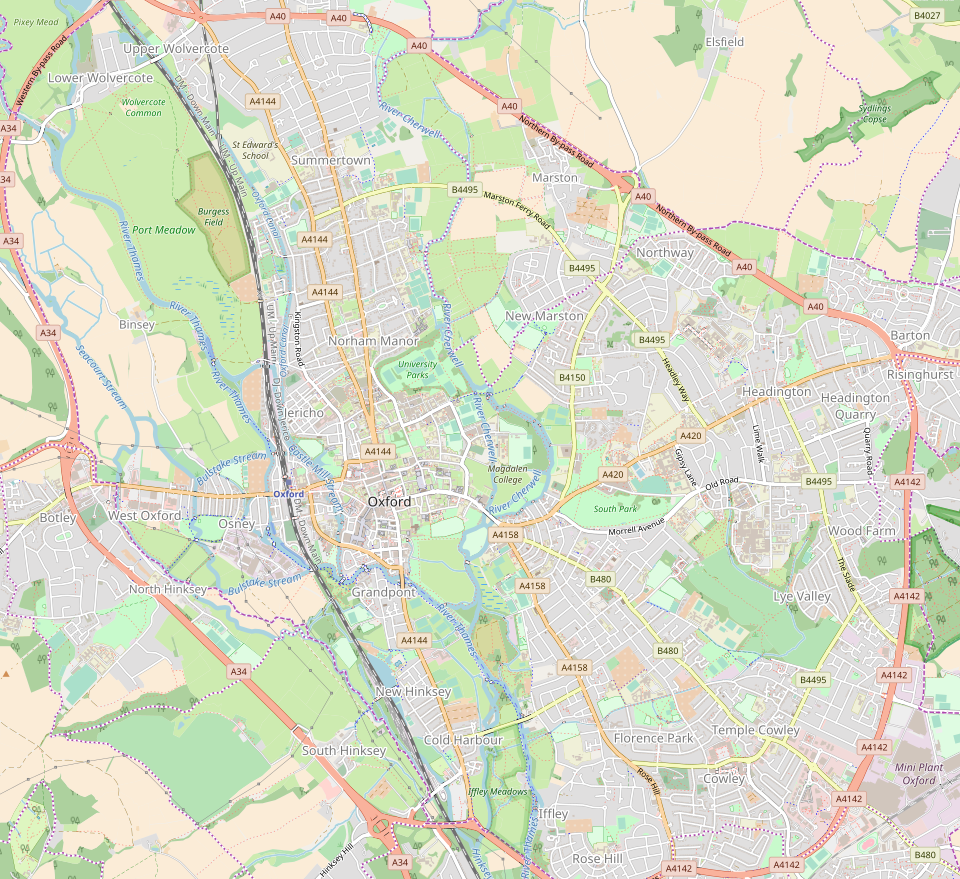
Key Facts
- Population: 166,034 (2024 estimate).
- Area: 18 square miles (46 km²).
- Nickname: City of Dreaming Spires.
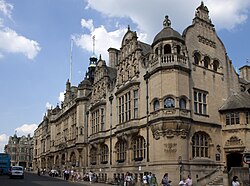
- Administrative Center: Oxford Town Hall.
- Key Landmarks: Radcliffe Camera, Bodleian Library, and Christ Church Cathedral.
- Governance: Managed by the Oxford City Council.
Geography and Climate
Oxford is located in the South East region of England. Its physical landscape is characterized by a mix of dense urban centers and a surrounding green belt—a policy-protected area of open land intended to prevent urban sprawl.
The city's climate is temperate, though it has seen significant extremes over the centuries. The warmest year on record was 2022, with an average temperature of 12.1°C, while the coldest was 1879 at 7.8°C. Rainfall varies considerably; the wettest year occurred in 2012 (979.5 mm), and the driest was 1788 (336.7 mm).
| Metric | Coldest Month (Jan) | Warmest Month (July) | Annual Average |
|---|---|---|---|
| Mean Daily Max (°C) | 8.0 | 23.1 | 15.0 |
| Daily Mean (°C) | 5.2 | 18.1 | 11.1 |
| Mean Daily Min (°C) | 2.4 | 13.1 | 7.1 |
| Avg Precipitation (mm) | 59.6 | 52.5 | 681.6 |
City Layout and Districts
The city is divided into a bustling city center and various residential suburbs. Notable neighborhoods include Headington, Cowley, Jericho, and Summertown. Each area contributes to the city's diverse character, from the academic atmosphere of North Oxford to the industrial history of Cowley.
Governance and Demographics
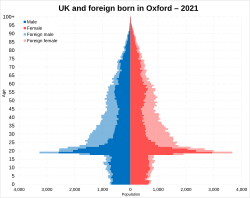
Oxford is governed as a non-metropolitan district by the Oxford City Council, currently led by Susan Brown. The city is represented in Parliament by MPs Anneliese Dodds and Layla Moran.
The population is ethnically diverse. As of 2021, 70.7% of the population identified as White, 15.4% as Asian, 5.6% as Mixed, and 4.7% as Black. Religious demographics show a shift toward secularism, with 39.0% reporting no religion, followed by Christianity at 38.1% and Islam at 8.7%.
Transport and Infrastructure
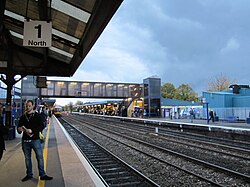
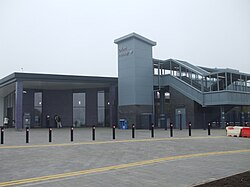
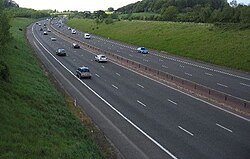
Oxford employs a variety of transport solutions to manage its historic streets. The city is served by Oxford station and the Oxford Parkway station near Kidlington. Road access is primarily provided by the M40 extension.
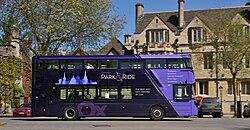
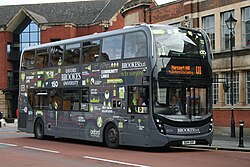
To reduce pollution, the city has implemented a Zero Emission Zone and various bus gates. The Oxford Bus Company operates a modern fleet, including hybrid and flywheel energy storage buses, to maintain efficient park-and-ride services.
Culture, Education, and Landmarks
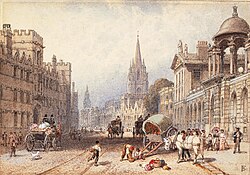
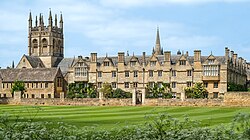
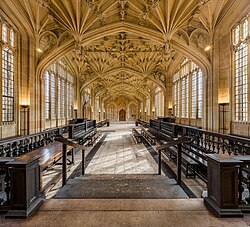
Education is the cornerstone of Oxford's identity. The University of Oxford and its constituent colleges, such as Merton College (established in 1264), are world-renowned. The Bodleian Library, including the stunning Divinity School, stands as one of the most important research libraries in the world.
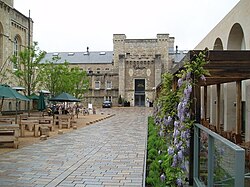
The city's architectural highlights include the Radcliffe Camera, the Sheldonian Theatre, and the Christ Church Cathedral. For those seeking unique sites, the Malmaison Hotel is a notable example of adaptive reuse, having been converted from a prison within the medieval Oxford Castle.
Oxford is also a center for the arts and literature, hosting the annual Oxford Literary Festival. It has served as the setting for numerous works of fiction, including Inspector Morse, Brideshead Revisited, and the Harry Potter films.
Sport and Recreation
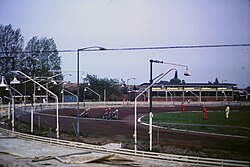
While famous for rowing, Oxford supports a wide array of sports, including football, cricket, rugby union, and rugby league. The city also has a history of speedway and greyhound racing, with events held at Cowley.
Frequently Asked Questions
What is the meaning of the nickname "City of Dreaming Spires"?
The nickname refers to the beautiful skyline of the city, dominated by the numerous spires and towers of the University of Oxford's colleges and churches.
What is the official motto of Oxford?
The motto is "Fortis est veritas," which is Latin for "the truth is strong."
How does Oxford manage traffic and pollution?
Oxford uses a Zero Emission Zone, bus gates, and a fleet of hybrid and flywheel energy storage buses to reduce environmental impact in the city center.
What are some of the most famous landmarks in Oxford?
Key landmarks include the Radcliffe Camera, the Bodleian Library, the Sheldonian Theatre, and Christ Church Cathedral.
Which famous literary works are set in Oxford?
Oxford appears in a vast array of works, including Thomas Hardy's Jude the Obscure (as "Christminster"), Evelyn Waugh's Brideshead Revisited, and the Inspector Morse series.