Olinda Bozán: The Queen of Comedy in the Golden Age of Argentine Cinema
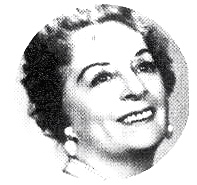
Olinda Bozán was a powerhouse of Argentine entertainment, a versatile performer who bridged the gap between the circus ring, the vaudeville stage, and the silver screen. As one of the most celebrated comic actors of the 20th century, she became a defining figure of the Golden Age of Argentine cinema, a period of immense artistic productivity and popularity for the nation's film industry.
Born into a theatrical world, Bozán's career spanned nearly seven decades, from 1910 until her death in 1977. Her ability to blend music, dance, and sharp comedic timing made her a favorite among audiences and a pivotal figure in the promotion of tango culture.
Key Facts
- Full Name: Olinda Bozán Acosta.
- Career Span: 1910–1977.
- Filmography: Appeared in 75 films.
- Major Award: Won the Martín Fierro Award for Best Comic Actress.
- Specialization: Comedy, vaudeville, and tango performances.
- Training: Mentored by the prestigious Podestá brothers.
Early Life and Theatrical Roots
Olinda Bozán Acosta was born on June 21, 1894, in Rosario, Santa Fe Province, Argentina, to Enrique Bozán and Rosa Acosta. Her childhood was steeped in the performing arts; her parents owned the Circus Anselmi, where she began her journey into entertainment at a very young age.
To refine her craft, she trained in theatrical comedy under the Podestá brothers at the Teatro Apolo. The Podestás were titans of the Argentine stage, and their influence remained a constant in her life; she eventually married one of the brothers, Pablo Podestá, though the marriage was brief.
Rise Through Vaudeville and Silent Film
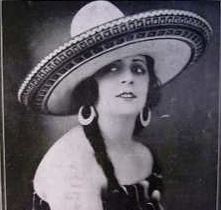
Bozán's professional debut occurred in 1910 in the play En el fuego. Throughout the 1910s and 1920s, she navigated the vaudeville circuit—a genre of variety entertainment featuring musical acts and comedic sketches. She formed several successful companies, including a notable partnership with Luis Vittone and Segundo Pomar at the Opera Theater.
During this era, theater and film often served as promotional vehicles for tango, the passionate musical style and dance of Argentina. Bozán was instrumental in premiering legendary tangos, including Enrique Santos Discépolo's "Bizcochito" in the 1923 short La Porota and "Yira... Yira..." in 1929.
Her transition to cinema began in the silent era. She debuted in Bajo el sol de la pampa (filmed 1915, released 1917) and appeared in six silent films in total before the advent of sound cinema.
The Golden Age of Sound Cinema
The arrival of sound movies catapulted Bozán to new heights. While she had a small role in Carlos Gardel's Luces de Buenos Aires (1931), her first major sound-era success was Ídolos de la radio (1934). Throughout the late 1930s and 1940s, she became a staple of the screen, starring in hits like Así es el tango (1937) and Mi suegra es una fiera (1939).
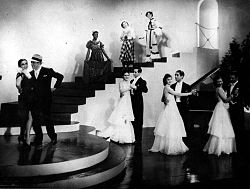
Bozán's versatility allowed her to move seamlessly between leading roles and supporting characters. In the 1940s, she expanded her reach by traveling to Cuba to record and perform. However, by the early 1950s, a shift in industry trends meant she began receiving fewer leading roles, as evidenced by the 1951 film Mujeres en sombra.
Television Success and Later Years
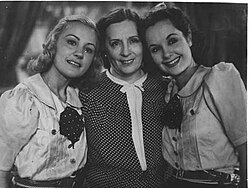
In the late 1950s, Bozán successfully transitioned to the emerging medium of television. Her work on El show de Pablo Palitos earned her the prestigious Martín Fierro Award for Best Comic Actress, the highest honor for Argentine radio and television.
Her final cinematic phase, beginning in 1965, saw her embrace a different style of comedy characterized by double entendres and titillation in films such as Hotel alojamiento. She also appeared in family-oriented films directed by Enrique Carreras, including Había una vez un circo (1972).
Death and Legacy
Olinda Bozán passed away suddenly on February 8, 1977, in Buenos Aires at the age of 82. She died shortly after completing the drama Las locas, which was released posthumously as a tribute to her memory.
Her legacy lives on through the Film Museum's tribute series Olinda y las risas and theatrical works like Pablo y Olinda, which explored her complex early marriage and the tragic decline of Pablo Podestá.
| Category | Details |
|---|---|
| Total Films | 75 |
| Key Genres | Comedy, Vaudeville, Tango, Drama |
| Major Award | Martín Fierro (Best Comic Actress) |
| Notable Collaborators | Podestá brothers, Carlos Gardel, Luis Sandrini |
| Active Years | 1910–1977 |
Frequently Asked Questions
What was Olinda Bozán's primary contribution to Argentine cinema?
She was one of the most influential comic actresses of the 20th century, appearing in 75 films and helping define the comedic style of the Golden Age of Argentine cinema.
How was Olinda Bozán connected to the world of tango?
Bozán used her theater and film productions to promote tango music, premiering several famous works by composers like Enrique Santos Discépolo.
Who were the Podestá brothers and why were they important to her?
The Podestá brothers were prestigious acting mentors who trained Bozán in theatrical comedy. She also married Pablo Podestá early in her career.
Did Olinda Bozán work in mediums other than film?
Yes, she had an extensive career in circus performance, vaudeville theater, and television, where she won a Martín Fierro Award.
When did her career transition from leading roles to supporting roles?
The 1951 film Mujeres en sombra marked a turning point in her career, after which she predominantly appeared in supporting or character roles.