Largest Cities in OIC Member States
The member states of the Organisation of Islamic Cooperation (OIC) encompass a vast geographical area and a diverse array of urban centers. From the bustling hubs of Southeast Asia to the historic metropolises of North Africa and the Middle East, these cities serve as critical engines of economic growth and cultural exchange.
Based on the United Nations World Urbanization Prospects (2010 estimates from the 2007 revision), the distribution of population across these cities reveals significant trends in urbanization. The data highlights a concentration of massive urban centers in Asia, particularly in Indonesia, Pakistan, and Bangladesh.
Key Facts
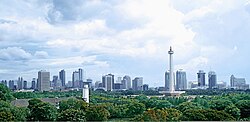
- Jakarta is the largest city among OIC member states with a population exceeding 30 million.
- Pakistan has the highest number of cities appearing in the top 33 list.
- The top five cities—Jakarta, Karachi, Dhaka, Cairo, and Lagos—all have populations exceeding 17 million.
- Statistical measurements vary by city, ranging from Urban Agglomerations (contiguous built-up areas) to City Proper (administrative boundaries).
Analyzing the Urban Landscape
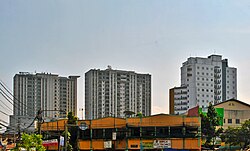
Urbanization in OIC states is characterized by a mix of different statistical concepts. An Urban Agglomeration refers to the actual built-up area of a city and its surrounding suburbs, while a Metropolitan Area typically includes the city and the surrounding region that is socially and economically integrated with it. The City Proper refers strictly to the administrative boundaries of the city.
The Asian Giants
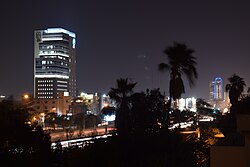
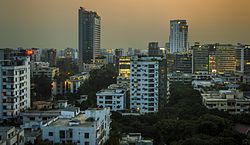
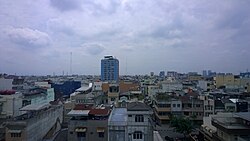
Southeast and South Asia dominate the top of the list. Jakarta, Indonesia, leads with over 30 million residents, followed closely by Karachi in Pakistan and Dhaka in Bangladesh. These cities face unique challenges and opportunities due to their immense scale and high population density.
African and Middle Eastern Hubs
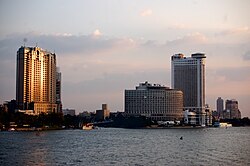
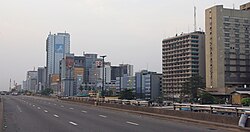
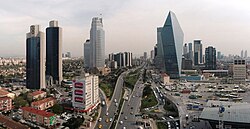
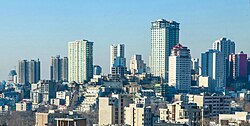
Cairo, Egypt, and Lagos, Nigeria, represent the primary urban powerhouses of Africa within the OIC. In the Middle East, Istanbul, Turkey, and Tehran, Iran, stand out as major metropolitan centers, blending historical significance with modern urban expansion.
Population and Area Comparison
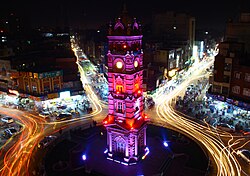
The relationship between population and land area varies wildly. For instance, while Bahawalpur in Pakistan has a smaller population than Jakarta, it covers a significantly larger area (24,830 km² compared to Jakarta's 6,392 km²), illustrating the difference between dense urban cores and sprawling administrative districts.
| Rank | City | Country | Population | Area (km²) | Statistical Concept |
|---|---|---|---|---|---|
| 1 | Jakarta | Indonesia | 30,214,303 | 6,392 | Urban agglomeration |
| 2 | Karachi | Pakistan | 24,700,000 | 4,966 | Urban agglomeration |
| 3 | Dhaka | Bangladesh | 22,690,116 | 2,161 | Urban agglomeration |
| 4 | Cairo | Egypt | 18,420,000 | 1,310 | Official metropolitan area |
| 5 | Lagos | Nigeria | 17,060,307 | 907 | Urban agglomeration |
| 6 | Istanbul | Turkey | 14,500,000 | 5,343 | Metropolitan municipality |
| 7 | Tehran | Iran | 13,532,000 | 1,489 | City proper |
| 8 | Lahore | Pakistan | 11,126,285 | 1,370 | Urban agglomeration |
| 9 | Bandung | Indonesia | 8,199,892 | 1,876 | Urban agglomeration |
| 10 | Faisalabad | Pakistan | 7,873,910 | 1,097 | Urban agglomeration |
| 11 | Rawalpindi | Pakistan | 7,412,205 | 6,451 | Metropolitan Area |
| 12 | Surabaya | Indonesia | 7,302,283 | 2,787 | Urban agglomeration |
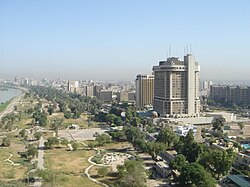
| 13 | Baghdad | Iraq | 6,625,000 | 730 | Metropolitan area |
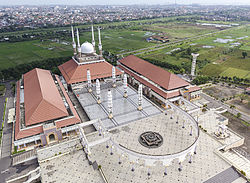
| 14 | Semarang | Indonesia | 6,544,289 | 5,287 | Urban agglomeration |
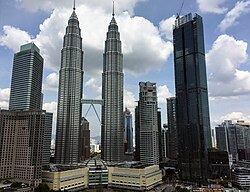
| 15 | Kuala Lumpur | Malaysia | 6,088,000 | 673 | Metropolitan area |
Detailed City Rankings (16-33)
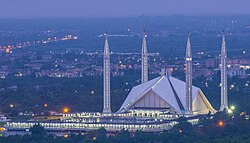
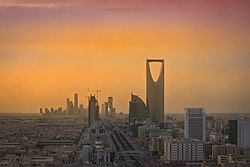
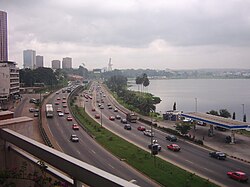
Beyond the top 15, the list continues with significant regional centers. Riyadh (Saudi Arabia) and Khartoum (Sudan) both exceed 5 million residents. Pakistan continues to show strong urban presence with cities like Gujranwala, Multan, and Peshawar. Other notable entries include Casablanca in Morocco and Abidjan in Ivory Coast, reflecting the widespread urban growth across the OIC member states.
Frequently Asked Questions
Which is the most populous city in the OIC member states?
Jakarta, Indonesia, is the most populous city with an estimated population of 30,214,303.
Which country has the most cities in the top 33 list?
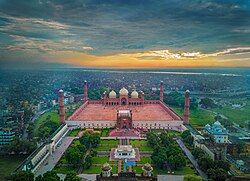
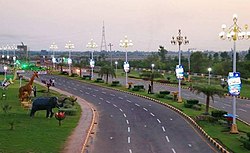
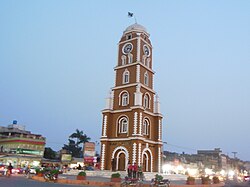
Pakistan has the highest representation, with numerous cities including Karachi, Lahore, Faisalabad, Rawalpindi, and others appearing on the list.
What is the difference between an urban agglomeration and a city proper?
An urban agglomeration refers to the contiguous built-up area including suburbs, whereas a city proper refers to the population within the official administrative boundaries of the city.
How large is the area of Bahawalpur compared to other cities?
Bahawalpur has one of the largest land areas on the list at 24,830 km², significantly larger than most other cities listed, despite having a smaller population than the top-ranked cities.
Which African cities are among the largest in the OIC?
The largest African cities in the OIC include Cairo (Egypt), Lagos (Nigeria), Khartoum (Sudan), Casablanca (Morocco), and Abidjan (Ivory Coast).