Oenanthe: The Fascinating and Dangerous World of Water Dropworts
The genus Oenanthe, commonly known as water dropworts, water parsleys, or water celeries, represents a diverse group of flowering plants within the Apiaceae family. While many members of this family are culinary staples, the Oenanthe genus is defined by its preference for damp environments, such as marshes and aquatic habitats, and a reputation for extreme toxicity in certain species.
From edible Asian vegetables to plants capable of causing fatal poisoning in both humans and livestock, the genus presents a striking contrast between utility and danger. Understanding their taxonomy, identification, and chemical properties is essential for anyone encountering these plants in the wild.
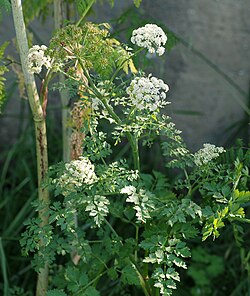
Key Facts
- Family: Apiaceae (the carrot or parsley family).
- Habitat: Primarily damp ground, marshes, and aquatic settings.
- Toxicity: Some species contain oenanthotoxin, a potent neurotoxin.
- Diversity: Kew's Plants of the World Online recognizes 33 species as of 2020.
- Edibility: While some species like O. javanica are edible, others like O. crocata are highly lethal.
Taxonomy and Etymology
The name "Oenanthe" has a complex history. In ancient times, the term was applied broadly to various plants; the physician Pedanius Dioscorides described a plant with white flowers and round heads that was later misinterpreted by medieval herbalists. It wasn't until 1753 that Carl Linnaeus formalized Oenanthe as a generic name in Species Plantarum.
Etymologically, the name is derived from the Ancient Greek words oinos (wine) and anthos (flower). While some have speculated this refers to the intoxicating effects of the plants, this remains unproven. The common name "dropwort" specifically refers to the tubers produced among the roots of certain species.
Species Diversity and Edibility
The genus contains a wide array of species, each with unique characteristics. A notable distinction can be made between those used for food and those that are strictly hazardous.
Edible Varieties
Oenanthe javanica, known as Chinese celery or Japanese parsley, is a significant edible species. It is cultivated in several parts of Eastern Asia and is also grown in Italy and India, where its spring growth is highly valued as a vegetable. It is important to note that this species should not be confused with Cryptotaenia japonica (Japanese wild celery).
Toxic Varieties
In contrast, Oenanthe crocata (hemlock water-dropwort) is considered one of the most poisonous plants in Britain. While livestock may safely consume its leaves, the stems and the carbohydrate-rich roots are extremely toxic. The active poison, oenanthotoxin, is so potent that a single root can kill a cow, and it has caused numerous human fatalities. Its danger is compounded by its physical resemblance to edible plants like celery.
Identification and Botanical Features
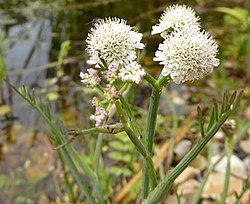
Identifying species within the genus requires attention to specific botanical structures. Key features to observe include bracts (small, leaf-like appendages at the base of the flower clusters), rays (the branches of the flower clusters, or umbels), and petioles (leaf stalks).
A simplified identification key for British species includes:
- O. crocata: Possesses bracts and ovate leaflets.
- O. pimpinelloides: Has bracts and narrow leaflets, with rays that thicken during fruit production.
- O. lachenalii: Features bracts and narrow leaflets, but the rays do not thicken in fruit.
- O. aquatica: Lacks bracts and has upper leaves with ovate segments.
- O. fistulosa: Lacks bracts, has narrow leaf segments, and a hollow petiole.
- O. silaifolia: Lacks bracts, has narrow leaf segments, a solid petiole, and rays that thicken in fruit.
The "Sardonic Grin" and Historical Context
The genus has even played a role in historical and medical mysteries. Scientists at the University of Eastern Piedmont have identified Oenanthe crocata as a likely candidate for the "sardonic herb" mentioned in ancient histories. This plant is associated with the production of a sardonic grin—a facial spasm caused by neurotoxicity.
In ancient Nuragic Sardinia, it is believed this neurotoxic plant may have been used in ritualistic practices involving the intoxication of individuals before they were killed. This connection links the botanical properties of Oenanthe to the historical phenomenon of risus sardonicus.
Summary of Key Species
| Species Name | Common Name(s) | Primary Characteristic | Toxicity Level |
|---|---|---|---|
| O. crocata | Hemlock water-dropwort | Carbohydrate-rich toxic roots | Extremely High |
| O. javanica | Chinese celery / Japanese parsley | Culinary vegetable | Low (Edible) |
| O. aquatica | Water dropwort | No bracts; ovate segments | Variable |
Frequently Asked Questions
What makes Oenanthe crocata so dangerous?
The danger lies in its high concentration of oenanthotoxin, particularly within its roots. Because the plant can resemble edible celery, it is often accidentally ingested by humans or livestock.
Can any species of Oenanthe be eaten?
Yes, Oenanthe javanica is a recognized edible species used in various cuisines across Asia, Italy, and India. However, one should never consume wild plants without expert identification due to the presence of highly toxic lookalikes.
What is the difference between a bract and a ray?
In the context of the Apiaceae family, bracts are small, leaf-like structures located at the base of the primary flower clusters (umbels), while rays are the individual stalks that branch out from the center to support the flowers.
Why is the plant associated with a "sardonic grin"?
The neurotoxins found in certain species, such as O. crocata, can cause muscle spasms, including those in the facial muscles, which results in a characteristic grin known as risus sardonicus.
Where are these plants typically found?
Most species in the Oenanthe genus are found in very wet environments, including marshes, ditches, and other damp ground.