O'Higgins Fútbol Club: The Pride of Rancagua
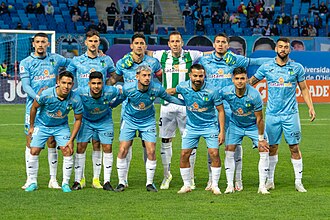
Founded on April 7, 1955, O'Higgins Fútbol Club has established itself as a cornerstone of Chilean football. Based in Rancagua, the club is affectionately known by nicknames such as "La Celeste" (The Sky Blue) and "El Capo de Provincia" (The Province's Boss). Over nearly seven decades, the club has evolved from a regional contender into a national champion, embodying the spirit and passion of the O'Higgins Region.
From its early days of battling for stability to the glory of its first league title, the club's journey is marked by resilience and a deep connection with its supporters.
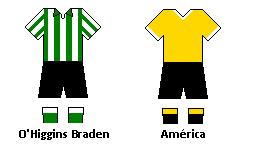
Key Facts
- Founded: April 7, 1955
- Home Ground: Estadio El Teniente, Rancagua
- Major Honors: Primera División champion and Supercopa de Chile winner
- Current League: Liga de Primera (Chile)
- Primary Colors: Sky Blue (Celeste)
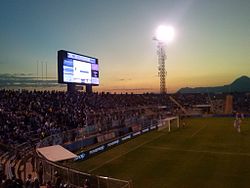
- Stadium Capacity: 14,087
Club History and Evolution
Establishment and Early Years
The club began its journey as Club Deportivo O'Higgins. Its first official match took place on May 8, 1955, resulting in a 2–0 loss to Unión Española. However, the team quickly found its footing, securing its first victory in the Campeonato Nacional on May 22, 1955, with a 3–2 win over Ferrobádminton.
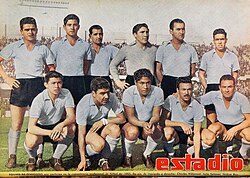
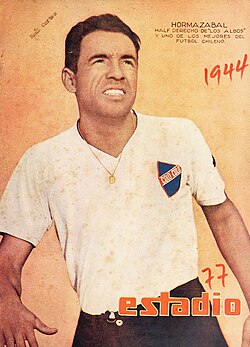
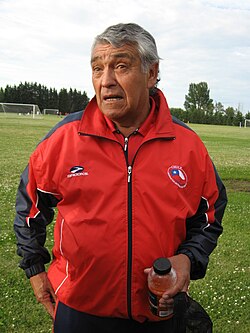
The early era was led by Francisco Hormazábal, the club's first head coach, who laid the groundwork for the team's competitive identity.
The Path to Stability and Growth
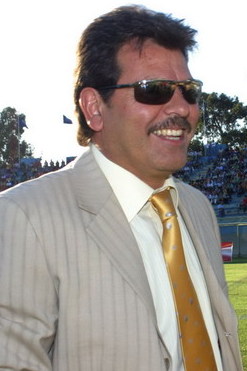
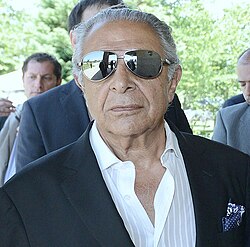
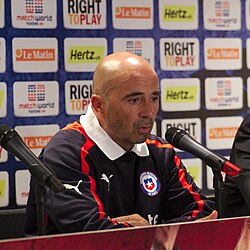
The period between 1996 and 2004 was characterized by instability, but the landscape changed significantly in 2005 when Ricardo Abumohor took over the club. This era brought a new level of professional management and ambition, paving the way for the arrival of influential figures like Jorge Garcés and later Jorge Sampaoli, who managed the club from 2008 to 2009.
The Golden Era under Eduardo Berizzo
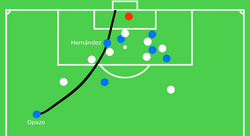
The most successful period in the club's history arrived under the management of Eduardo Berizzo. His tactical discipline and vision led the club to its first-ever league title in the 2012–13 season. The historic victory was sealed by a goal from Pedro Pablo Hernández against Universidad Católica.
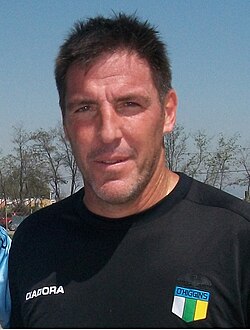
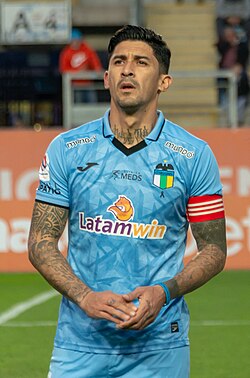
Following the league success, O'Higgins continued its winning streak by claiming the Supercopa de Chile title in 2014, cementing Berizzo's legacy as the most successful manager in the club's history.
The Tomé Tragedy
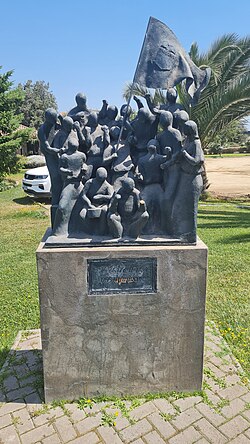
The club's history is also marked by profound sorrow. The Tomé Tragedy resulted in the loss of 16 O'Higgins supporters. This event left an indelible mark on the community, and a memorial stands today at the Monasterio Celeste to honor the victims.
Facilities and Infrastructure
Estadio El Teniente
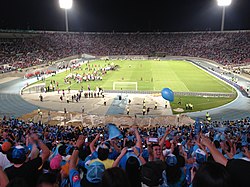
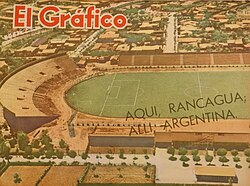
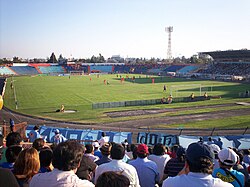
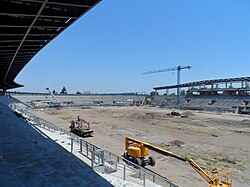
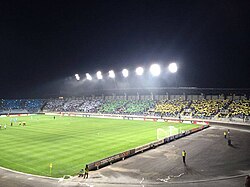
Known as "El Mundialista de Rancagua" or the "Temple of Illusions," Estadio El Teniente is the club's spiritual home. The stadium is historically significant, having served as a host venue for the 1962 FIFA World Cup. While the original structure was used from 1945 until February 2013, a modern renovation was completed in January 2014.
Monasterio Celeste
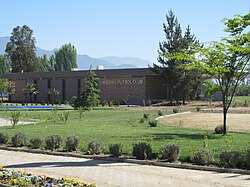
The Monasterio Celeste is the club's state-of-the-art training complex. Completed in 2014, it is so well-equipped that it served as a host complex for the Venezuela national football team during the 2015 Copa América.
Legendary Players and Personnel
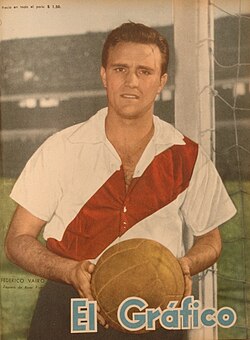
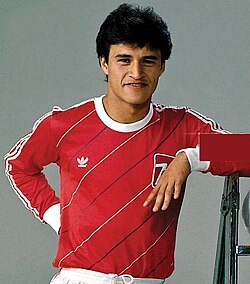
O'Higgins has been home to numerous footballing greats. Argentine player Federico Vairo remains one of the most important figures in the club's history, while 1986 World Cup champion Claudio Borghi brought international prestige to the squad in 1995.
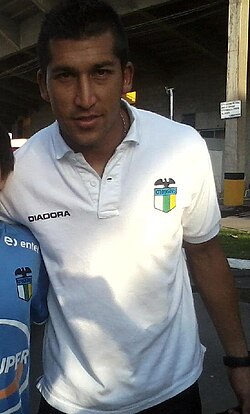
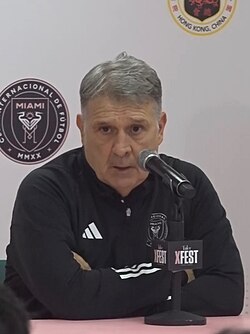
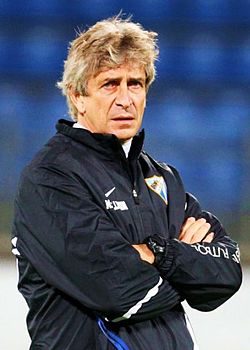
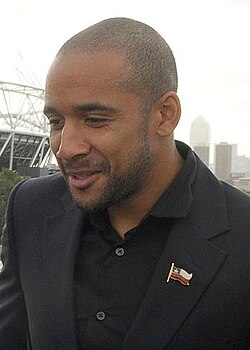
Other notable figures include Gerardo Martino, who played for the club in 1996, and Manuel Pellegrini, who served as coach in 1992. In more recent years, Jean Beausejour became a pivotal player during the team's later seasons.
Club Records Summary
| Category | Record / Detail | Opponent / Date |
|---|---|---|
| Biggest League Win | 7–1 | Fernández Vial (1990) |
| Biggest Copa Chile Win | 7–0 | San Antonio Unido (2012) |
| Biggest International Win | 6–0 | Deportivo Galicia (1979) |
| All-Time Top Scorer | 120 Goals | Juvenal Vargas |
| Most Capped Player | 386 Appearances | Luis Droguett |
Club Culture and Identity

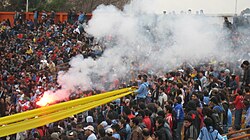
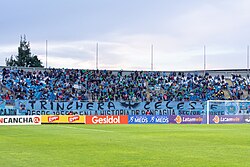
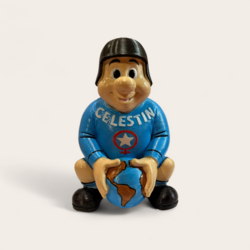
The passion of the fans is centered around the Trinchera Celeste, the club's barra brava founded in 2002, and the Arca de Noé supporter group. The club's identity is further represented by its mascot, Celestín, which continues to be updated for new generations.
Frequently Asked Questions

When did O'Higgins win its first league title?
O'Higgins won its first historic league title during the 2012–13 season under the management of Eduardo Berizzo, defeating Universidad Católica in the final.
What is the significance of Estadio El Teniente?
Beyond being the home of O'Higgins, the stadium is known as "El Mundialista" because it was one of the host venues for the 1962 FIFA World Cup.
Who is the all-time leading goalscorer for the club?
Juvenal Vargas holds the record for the most goals scored in the club's history, with a total of 120 goals.
What is the Monasterio Celeste?
The Monasterio Celeste is the club's high-performance training complex, which was completed in 2014 and has hosted international teams like Venezuela.
Who is the most successful manager in the club's history?
Eduardo Berizzo is regarded as the most successful manager, having led the club to both its first league title and a Supercopa de Chile victory.