Nueva Canción: The Voice of Social Change in Latin America and Spain
Nueva canción (literally "new song") is more than just a musical genre; it was a powerful left-wing social movement that swept through Latin America and the Iberian Peninsula. Characterized by folk-inspired melodies and lyrics deeply committed to social justice, this movement became the soundtrack for pro-democracy upheavals during the 1970s and 1980s.
Emerging in the 1960s, nueva canción sought to renew traditional folk music, aligning itself with the Latin American New Left, liberation theology, and human rights movements. Its influence extended far beyond its origins, leaving a lasting imprint on genres such as rock en español, cumbia, and Andean music.
Key Facts
- Origins: Surfaced in the 1960s across Argentina, Chile, Uruguay, and Spain.
- Core Philosophy: Combines traditional folk styles with socially and politically committed lyrics.
- Key Figures: Violeta Parra and Atahualpa Yupanqui served as pivotal transitional figures.
- Political Impact: Played a significant role in pro-democracy movements in Portugal, Spain, and Latin America.
- Regional Variants: Includes Nueva canción chilena (Chile), Nuevo cancionero (Argentina), Nueva trova (Cuba), and Nova Cançó (Catalonia).
Stylistic and Cultural Roots
The tradition of using music to reflect conflict is deeply embedded in Spanish culture. Early influences include the 15th-century fronterizos (songs regarding the Reconquest of Spain) and the Mexican corrido—narrative ballads that became highly political during the War of Independence (c. 1810) and the Mexican Revolution after 1910.
The modern movement grew out of the "folklore boom" of the 1950s. In Argentina, legislation such as Juan Perón's Decreto 3371/1949 and Law No. 14,226 helped foster the movement by requiring that half of the music played on the radio or performed live be of national origin.
While national manifestations varied based on local contexts, the term "nueva canción" was formally adopted as an all-encompassing label during the 1967 Encuentro de la Canción Protesta.
Regional Manifestations
Chile: Nueva Canción Chilena
In Chile, the movement was heavily shaped by Violeta Parra, who collected 3,000 peasant songs and published Cantos Folklóricos Chilenos. Her children founded the Peña de los Parra, a cultural center that became a hub for leftist activism and musicians like Víctor Jara and Patricio Manns.
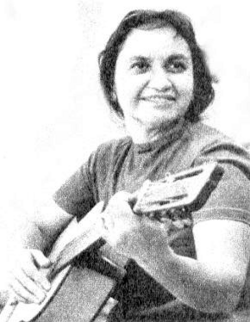
The movement gained massive commercial momentum through DICAP (Discoteca de Canto Popular), a socially conscious record label. By 1973, DICAP had pressed over 240,000 records, breaking the dominance of U.S. music on the radio. The genre reached a political peak during Salvador Allende's 1970 presidential campaign, with songs like "Venceremos" becoming anthems for the movement.
Following the 1973 military coup led by Augusto Pinochet, the movement faced a brutal crackdown known as the Apagón Cultural (Cultural Blackout). Recordings were burned, and traditional Andean instruments were banned. The most prominent victim was Víctor Jara, who was tortured and executed. Despite this, the movement survived through the informal exchange of cassettes in the 1980s and saw a resurgence during the 2019 protests in Chile.
Argentina: Nuevo Cancionero
The Argentine movement, known as Nuevo cancionero, found its most iconic voice in Mercedes Sosa. After her success at the 1965 Cosquin Folklore Festival, Sosa became an international symbol of the genre.
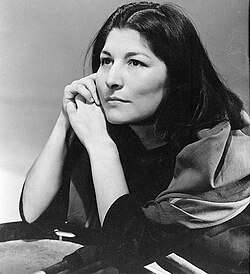
Other key artists included Tito Francia, Víctor Heredia, and César Isella. Isella's "Canción para todos," based on the poetry of Armando Tejada Gomez, was later designated by UNESCO as the hymn of Latin America.
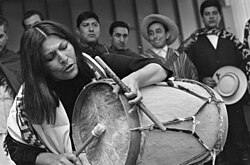
Like their Chilean counterparts, many Argentine artists were victims of the military dictatorship (1976–1983). Forced into exile, Mercedes Sosa continued to perform globally, including at the first Amnesty International concert in London in 1979.
Spain and Catalonia: Nova Cançó
In Spain, the movement manifested as Nova Cançó, which focused on promoting Catalan language and culture. Influenced by French singer-songwriter Georges Brassens, the movement began in the late 1950s with the group Els Setze Jutges (The Sixteen Judges).
Key figures such as Raimon, Lluís Llach, and Joan Manuel Serrat helped the movement grow. In 1963, the song "Se’n va anar" by Salomé and Raimon won first prize at the Fifth Mediterranean Song Festival, bringing international attention to the Catalan musical revival.
Summary of Regional Movements
| Region/Country | Local Name | Key Figures | Primary Focus |
|---|---|---|---|
| Chile | Nueva canción chilena | Violeta Parra, Víctor Jara | Peasant folk, leftist activism, anti-dictatorship |
| Argentina | Nuevo cancionero | Mercedes Sosa, César Isella | National identity, human rights, social justice |
| Catalonia (Spain) | Nova Cançó | Raimon, Lluís Llach | Catalan language and cultural preservation |
| Cuba | Nueva trova | Various | Socially conscious songwriting |
Frequently Asked Questions
What is the primary goal of Nueva canción?
The primary goal was to combine traditional folk music with socially and politically committed lyrics to advocate for social justice, democracy, and the rights of the working class in Latin America and Spain.
Who were the most influential figures in the Chilean movement?
Violeta Parra was a foundational figure who collected thousands of folk songs, while Víctor Jara became a global symbol of the movement's struggle and sacrifice due to his political activism and subsequent execution during the Pinochet regime.
How did the movement survive military dictatorships?
Artists survived through exile, where they publicized the struggles of their home countries, and through the clandestine exchange of cassette tapes, which bypassed government censorship during the 1980s.
What is the relationship between Nova Cançó and the broader movement?
Nova Cançó was the Catalan manifestation of the movement. While it shared the socially committed spirit of Nueva canción, it placed a specific emphasis on the preservation and promotion of the Catalan language and culture against the backdrop of Spanish political restrictions.
What is the legacy of Nueva canción today?
Although less active as a formal movement, its legacy persists in contemporary political music and the works of artists who continue to record songs by Violeta Parra and Víctor Jara, particularly during periods of social unrest.