Nuclear Fuel Cycle Royal Commission: Public Responses and Controversies
The establishment of the Royal Commission into the Nuclear Fuel Cycle in South Australia sparked an intense national debate, drawing a sharp divide between industrial advocates and environmental protectors. While some viewed the inquiry as a necessary step toward modernizing Australia's energy policy, others saw it as a risky venture that ignored previous findings and marginalized vulnerable communities.
Key Facts
- Commissioner Scarce led the inquiry despite accusations of pro-nuclear bias from groups like Friends of the Earth Australia.
- The Commission initially required written submissions to be signed by a Justice of the Peace, a requirement later relaxed to include oral submissions.
- Strong support came from the Minerals Council of Australia and international bodies like the World Nuclear Association.
- Opponents, including the Australian Conservation Foundation, argued that the inquiry retreaded old ground covered by the Fox Report and the 2006 UMPNER review.
- Concerns were raised regarding the potential for a nuclear waste repository on Aboriginal land.
The Appointment and Submission Process
The leadership of the Royal Commission was contested from the start. Commissioner Scarce faced criticism from opponents who claimed he held a pro-nuclear bias. Scarce denied these allegations, maintaining that he was comfortable and impartial in his role.
The process for public input also became a point of contention. Karina Lester and Craig Wilkins (CEO of the Conservation Council of South Australia) argued that requiring written submissions to be signed by a Justice of the Peace created an unnecessary barrier for people in regional and remote areas. Lester specifically highlighted the plight of her father, Yami Lester, a victim of radioactive fallout from British nuclear tests at Maralinga and Emu Field in the 1950s and 1960s, who would have struggled to access a Justice of the Peace due to his location and lack of transport.
In response to these accessibility concerns and criticisms regarding the complexity of the Commission's language, the Royal Commission agreed to accept oral submissions.
Arguments in Favor of Nuclear Development
Proponents of the inquiry argued that the nuclear debate in Australia had been clouded by fear-mongering and distortions. Scientists and academics, including Prof. Barry Brook (who was appointed to the Expert Advisory Committee) and Ben Heard, welcomed the process as a way to bring objective, evidence-based judgment to the table.
Industry bodies and political figures saw significant economic potential. Daniel Zavattiero of the Minerals Council of Australia noted that the Commission "turbo-charged" interest in the uranium sector. This support extended to companies such as BHP Billiton, Rio Tinto Group, Paladin Energy, and Toro Energy.
Other specific proposals included:
- Infrastructure: Terry Krieg of the Australian Nuclear Association suggested a nuclear-powered seawater desalination plant at Ceduna.
- Economic Zones: Senator Sean Edwards proposed that processing spent nuclear fuel via fast breeder reactors could create a "special economic zone," potentially attracting billions in foreign investment and eliminating $4.4 billion in state taxes.
- International Support: The French government offered access to nuclear experts, and the World Nuclear Association urged Australia to dispense with laws prohibiting nuclear electricity generation.
Corporate interest was also evident from entities such as SILEX Systems, SMR Nuclear Technology, and the French state-owned company Areva.
Opposition and Environmental Concerns
Critics argued that the Royal Commission was an expensive exercise in repeating history. Emeritus Prof. Ian Lowe of Griffith University pointed to the 2006 UMPNER review, which found that nuclear development would require substantial government subsidies, and the Fox Report (1976–1978), which warned of nuclear weapons proliferation and waste management issues.
The Australian Conservation Foundation questioned the timing of the inquiry, suggesting it might be a veiled attempt to revive a failed bid for a nuclear waste repository. They argued that South Australia should instead focus on its leadership in renewable energy, particularly wind power.
Local opposition also surfaced in Whyalla, where residents expressed cynicism toward a proposed $7 billion uranium enrichment facility discussed by Professor Stephen Lincoln of South Australian Nuclear Energy Systems (SANES).
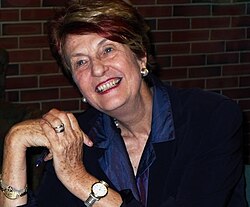
Medical and environmental activists provided the strongest warnings. Dr. Helen Caldicott, a physician and author, criticized the lack of medical expertise on the Expert Advisory Committee, describing the nuclear industry as "carcinogenic" and warning that advocates ignored the risks of radiation biology and oncology.
Summary of Perspectives
| Perspective | Primary Arguments | Key Proponents/Opponents |
|---|---|---|
| Pro-Nuclear | Economic growth, foreign investment, energy security, and evidence-based policy. | Minerals Council of Australia, World Nuclear Association, Senator Sean Edwards. |
| Anti-Nuclear | Public health risks, waste management, high subsidies, and preference for renewables. | Australian Conservation Foundation, Dr. Helen Caldicott, Friends of the Earth. |
Frequently Asked Questions
Who was the Commissioner of the Royal Commission?
The Royal Commission was led by Commissioner Scarce, who faced accusations of pro-nuclear bias but denied being an advocate for the industry.
Why was the submission process criticized?
Critics, including Karina Lester, argued that requiring written submissions to be signed by a Justice of the Peace marginalized remote and Aboriginal communities who lacked easy access to such officials.
What economic benefits did supporters claim?
Supporters like Senator Sean Edwards suggested that nuclear development could attract tens of billions in foreign investment and potentially lead to the abolition of $4.4 billion in state taxes.
What were the primary health concerns raised?
Dr. Helen Caldicott argued that the nuclear industry is carcinogenic and criticized the Commission for not including a medical doctor on its Expert Advisory Committee to address radiation biology and oncology.
Which previous reports did opponents cite?
Opponents cited the Fox Report (1976–1978) regarding waste and proliferation, and the 2006 UMPNER review regarding the need for heavy government subsidies.