Northeast Region of Brazil
The Northeast Region of Brazil is a land of profound contrasts, blending a rich colonial history with a dynamic modern economy. Spanning an area of 1,558,196 km², it is the third-largest region in the country by landmass and the second-largest by population, housing over 54 million people. From the lush coastal forests to the arid interior, the region is a cornerstone of Brazilian identity, culture, and agricultural production.
Key Facts
- Population: 54,658,515 (2022 Census).
- Major Cities: Recife (largest metro area), Salvador (largest city proper), and Fortaleza (highest population density).
- Economic Rank: 3rd largest regional GDP in Brazil (14.4% of national total).
- Agricultural Leadership: Largest producer of coconuts and shrimp in Brazil.
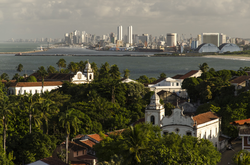
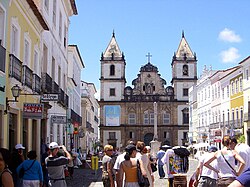
- Cultural Heritage: Home to multiple UNESCO World Heritage Sites, including Olinda and the historic center of Salvador.
Geography and Subregions
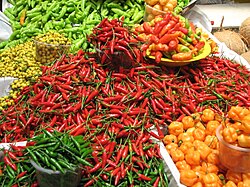
The Northeast is characterized by four distinct geoclimatic subregions, each with unique environmental and economic profiles:
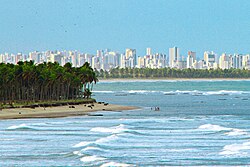
- Zona da Mata (Forest Zone): The humid coastal strip known for its fertile soil and historical sugar cane plantations.
- Agreste: A transition zone between the humid coast and the dry interior.
- Sertão (Backlands): The vast semi-arid interior, often associated with drought and hardy livestock.
- Meio-Norte (Midnorth): A transition area between the Sertão and the Amazon rainforest.
Economic Landscape
The region's economy is a mix of traditional agriculture, mining, and growing industrial sectors. While it ranks third in total wealth, it faces challenges in GDP per capita, often requiring federal tax redistribution from the South and Southeast to support regional development.
Agriculture and Animal Husbandry
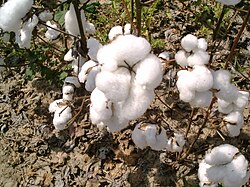
Agriculture remains a vital pillar of the regional economy. The Northeast is a national powerhouse in fruit production, particularly in Bahia, which is the second-largest fruit producer in Brazil. The region dominates the coconut market (74% of national production) and is a leader in melon, mango, and papaya cultivation.
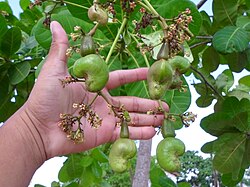
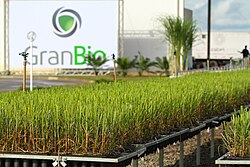
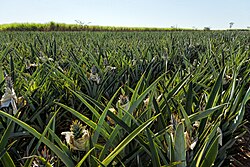
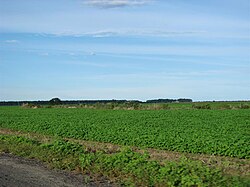
Other significant crops include sugar cane—with Alagoas and Pernambuco as top producers—as well as soybeans and maize, primarily in Bahia, Maranhão, and Piauí.
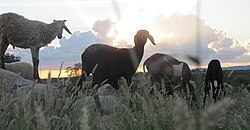
In animal husbandry, the region is the center of Brazil's small ruminant farming, housing 93.2% of the national goat herd and 64.2% of the sheep herd. It also contributes significantly to honey and shrimp production, with Rio Grande do Norte and Ceará leading the aquaculture sector.
Industry and Mining
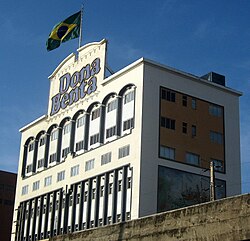
Industrialization is concentrated in Bahia, Pernambuco, and Ceará. Bahia is particularly notable for its mining sector, producing significant quantities of gold, copper, chrome, and vanadium. The region also hosts critical infrastructure, including the Braskem petrochemical plant in Camaçari and various oil refineries like Lubnor in Fortaleza.
Culture and Demographics
The Northeast is a melting pot of European, African, and Amerindian influences. Genetic studies indicate a strong European ancestry (roughly 58-60%), followed by African (roughly 27-29%) and Native American (roughly 15%) contributions. This diversity is reflected in the region's vibrant cultural expressions.
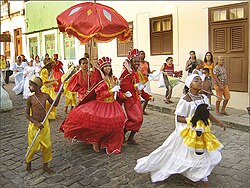
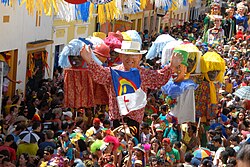
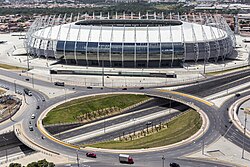
Cultural hallmarks include Cordel literature—a popular genre of rhymed poetry—and traditional celebrations like the Festa Junina and the Carnival of Olinda. Football also plays a central role in social life, exemplified by major venues like the Castelão Stadium in Fortaleza.
![Cordel literature is a literary genre very popular in the Northeast of Brazil; according to the poet Carlos Drummond de Andrade, it is one of the purest manifestations of the inventive spirit, the sense of humor and the critical capacity of Brazilians from the interior and of the humblest backgrounds.[91]](/images/c0/f4/c0f4f2b78addbffea74d5c9bf2f24ef1baee484fda29ed971b861f8638059d4f.jpg)

Infrastructure and Urban Centers
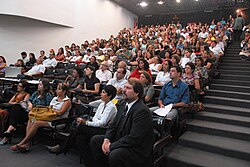
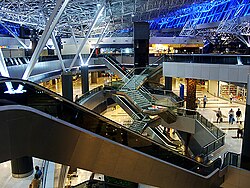
The region is served by a network of international airports and strategic seaports, such as the Port of Itaqui in Maranhão and Suape in Pernambuco. Education is anchored by several federal universities, including UFPE in Pernambuco and UFBA in Bahia.
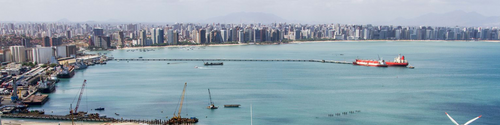
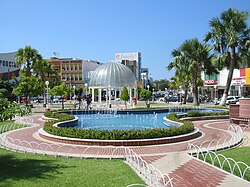
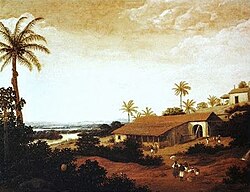
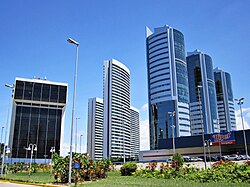
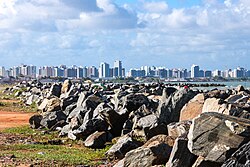
Historically, the region was the heart of the colonial sugar economy, as seen in the traditional engenhos (sugar mills). Today, cities like Recife and Salvador serve as major metropolitan hubs, while Aracaju is recognized for offering a high quality of life.
Regional Summary Table
| State | Population (2014) | HDI (2018) | GDP per capita (2014 R$) |
|---|---|---|---|
| Bahia | 15,150,143 | 0.735 | 14,803.95 |
| Pernambuco | 9,297,861 | 0.737 | 16,722.05 |
| Ceará | 8,867,448 | 0.734 | 14,255.05 |
| Maranhão | 6,861,924 | 0.706 | 11,216.37 |
| Rio Grande do Norte | 3,419,550 | 0.751 | 15,849.33 |
Frequently Asked Questions
Which city is the largest in the Northeast?
Recife is the largest by metropolitan population, while Salvador is the largest by city proper population.
What are the primary agricultural products of the region?
The region is a leader in coconut, shrimp, melon, and mango production, and is a significant producer of sugar cane, soybeans, and maize.
What is the ethnic composition of the Northeast?
The population is predominantly multiracial (59.6%), with a genetic heritage consisting of European, African, and Native American ancestries.
What is Cordel literature?
Cordel is a popular literary genre in the Northeast, characterized by rhymed verses that often reflect the humor, critical capacity, and inventive spirit of the Brazilian interior.
Which state has the highest HDI in the region?
Based on 2018 data, Rio Grande do Norte recorded the highest Human Development Index (HDI) at 0.751.