North Kessock: A Peaceful Gateway to the Black Isle
Nestled on the shores of the Beauly Firth, North Kessock (known in Scottish Gaelic as Ceasag a Tuath or Aiseag Cheasaig) serves as the welcoming first town for travelers crossing the Kessock Bridge from Inverness. Located on the Black Isle in the Highland council area of Scotland, this quiet settlement offers a blend of ancient history, natural beauty, and a close-knit community spirit.
While the town was once a bustling transit point, it is now bypassed by the A9 main road to the north, allowing it to maintain a tranquil atmosphere. Its counterpart, South Kessock, sits directly across the water as a district of Inverness.
Key Facts
- Population: 1,290 (as of 2020).
- Area: 0.79 square kilometers (0.31 sq mi).
- Location: Black Isle, north of Inverness, Scotland.
- Key Landmark: The Kessock Bridge.
- Wildlife Highlight: Resident bottlenose dolphins in the Moray Firth.
A Journey Through History
The history of the area surrounding North Kessock stretches back millennia. Nearby Ord Hill contains the remains of a hill fort dating to approximately 550 BC, a site that was later reused by the Picts—an ancient people of northern and eastern Scotland—roughly 1,000 years after its initial construction.
The town itself likely dates back to at least 1437. During this era, the Dominican monastery in Inverness was granted a charter to operate a ferry service to the Black Isle. This crossing was a vital link on the pilgrim route heading north toward St Duthac Church in Tain. This historic ferry service operated for centuries until it was finally discontinued in 1982 with the opening of the Kessock Bridge.
Community and Local Life
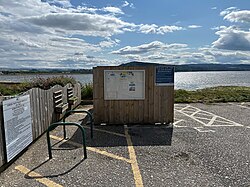
North Kessock is characterized by its strong community engagement, which was recently highlighted during a long-running dispute regarding the placement of glass recycling bins. To resolve the matter, the Highland Council organized a community ballot. The result was decisive, with 67% of respondents voting to locate the bins in the main car park.
As of July 29, 2024, the glass recycling bins are situated in the main car park as requested by the residents.
Natural Wonders and Wildlife
Beyond its history and local governance, North Kessock is a premier destination for nature lovers. The town is particularly famous as a vantage point for spotting bottlenose dolphins, which are permanent residents of the Moray Firth. The coastal location provides an ideal setting for observing these marine mammals in their natural habitat.
Town Overview
| Category | Detail |
|---|---|
| Council Area | Highland |
| Post Town | Inverness |
| Postcode District | IV1 3 |
| OS Grid Reference | NH652477 |
| Population Density | 1,633/km² (4,230/sq mi) |
| UK Parliament Constituency | Caithness, Sutherland and Easter Ross |
| Scottish Parliament Constituency | Skye, Lochaber and Badenoch |
Frequently Asked Questions
What is the Gaelic name for North Kessock?
North Kessock is known in Scottish Gaelic as Ceasag a Tuath or Aiseag Cheasaig.
How did people cross to the Black Isle before the Kessock Bridge?
Before the bridge opened in 1982, a ferry service operated across the Beauly Firth. This ferry was established as early as 1437 by the Dominican monastery in Inverness.
What wildlife can be seen in North Kessock?
The town is a famous spot for watching bottlenose dolphins that reside in the Moray Firth.
What is the historical significance of Ord Hill?
Ord Hill features the remains of a hill fort from around 550 BC, which was later reused by the Picts approximately a millennium later.
How was the local recycling bin dispute resolved?
The dispute was settled via a Highland Council community ballot, where 67% of participants voted to place the glass recycling bins in the main car park.