North Gyeongsang Province: South Korea's Largest and Culturally Rich Heartland
Spanning a vast landscape in eastern South Korea, North Gyeongsang Province—commonly known as Gyeongbuk—stands as the largest province on the Korean peninsula. From the ancient legacies of the Silla Kingdom to modern industrial hubs like Pohang, this region offers a unique blend of deep-rooted tradition and cutting-edge technological advancement.
Part of the Yeongnam region, the province is geographically defined by the Taebaek Mountains to the east and the Sobaek Mountains to the west. It even extends into the Sea of Japan, encompassing Ulleungdo, the seventh largest island in South Korea.
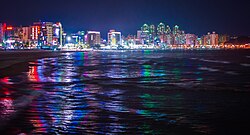
Key Facts
- Capital: Andong (moved from Daegu in 2016)
- Largest City: Pohang
- Total Area: 19,030 km² (Ranked 1st in South Korea)
- Major Industries: Service industry, manufacturing, semiconductors, and secondary batteries
- Provincial Symbols: Crape-myrtle (flower), Zelcova (tree), and Grey Heron (bird)
A Journey Through History
The history of Gyeongbuk is inextricably linked to the Silla Kingdom, a thousand-year-old dynasty that flourished in this area and eventually unified the three ancient kingdoms of Korea. The name "Gyeongsang-do" dates back to the Goryeo Dynasty in 1314, while the specific designation of "Gyeongsangbuk-do" (North Gyeongsang) was established during the Joseon Dynasty in 1896 during a major administrative reorganization.
Archaeological findings continue to shed light on this era. In September 2021, researchers discovered the 1,500-year-old remains of a woman alongside animal bones and earthenware, providing significant insight into the life and ritual practices of the Silla period.
Geography and Administrative Structure
The province is organized into 10 cities (si) and 12 counties (gun). While Daegu served as the provincial capital for over a century, the administrative center officially moved to Andong in 2016.
Major Cities and Economic Hubs
The province hosts several vital economic centers. Pohang serves as a major hub for steel production, while Gumi is recognized as the electronics capital of South Korea. The economy is diversifying rapidly, with recent government initiatives aiming to establish the province as a leader in the metaverse and a specialized complex for high-tech industries like semiconductors and energy materials.
| Rank | City | Hangul | Population (2024) |
|---|---|---|---|
| 1 | Pohang | 포항시 | 492,041 |
| 2 | Gumi | 구미시 | 404,691 |
| 3 | Gyeongsan | 경산시 | 266,951 |
| 4 | Gyeongju | 경주시 | 245,365 |
| 5 | Andong | 안동시 | 153,348 |
Culture, Cuisine, and Tourism
As the homeland of the Silla Kingdom, North Gyeongsang is a treasure trove of cultural traditions. Visitors can explore historical sites that reflect the province's prestigious past, which has produced numerous artists, scholars, and political leaders.
Local Flavors: Andong Sikhye
No exploration of Gyeongbuk is complete without tasting Andong Sikhye. Unlike the standard sweet rice punch found elsewhere, this version from the Andong region is distinctively red due to the addition of chili powder. It features a higher grain content and less liquid, making it a traditional staple for entertaining guests during Seollal (Lunar New Year) or other major feasts.
Transportation and Connectivity
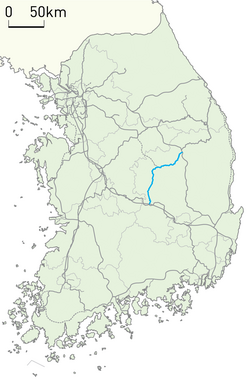
The province is well-connected via several key transport links. For air travel, residents and tourists utilize Daegu International Airport and Pohang Gyeongju Airport. The railway network is extensive, featuring lines such as the Gyeongbuk Line and the Yeongdong Line, with major stations including Andong, Gyeongju, and Pohang.

Frequently Asked Questions
What is the capital of North Gyeongsang Province?
The capital of the province is Andong. It moved from Daegu to Andong in 2016.
What are the main industries in Gyeongbuk?
The province has a diverse economy led by the service industry (58.3%) and manufacturing (30.6%). Key specialized sectors include steel, electronics, semiconductors, secondary batteries, and digital device parts.
Which historical kingdom is associated with this region?
The region is the historic homeland of the Silla Kingdom, which played a pivotal role in unifying the Korean peninsula.
What makes Andong Sikhye different from regular Sikhye?
Andong Sikhye is unique because it contains chili powder, giving it a red color, and it typically has more rice grains and less soup than the standard version.
How is the population distributed in the province?
The population is spread across 10 cities and 12 counties, with the largest urban concentrations found in Pohang, Gumi, and Gyeongsan.