Exploring North Gyeongsang Province: The Heart of Korean Tradition and Industry
Located in the eastern part of South Korea, North Gyeongsang Province—commonly known as Gyeongbuk—is a land where ancient history meets cutting-edge technology. As the largest province on the Korean peninsula by area, it offers a diverse landscape ranging from the rugged Taebaek and Sobaek Mountains to the serene waters surrounding Ulleungdo Island.
Whether you are drawn to the thousand-year legacy of the Silla Kingdom, the bustling industrial hubs of Pohang and Gumi, or the unique flavors of Andong, Gyeongbuk provides a comprehensive look at the soul of South Korea.
Key Facts
- Capital: Andong (moved from Daegu in 2016)
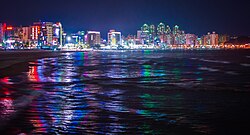
- Largest City: Pohang
- Total Area: 19,030 km² (The largest province in South Korea)
- Economic Drivers: Steel, electronics, semiconductors, and the metaverse
- Provincial Symbols: Crape-myrtle (flower), Zelcova (tree), and the Grey Heron (bird)
A Journey Through History
The history of North Gyeongsang is deeply intertwined with the foundations of Korean identity. The region was once the flourishing heart of the Silla Kingdom, a powerful state that eventually unified the three ancient kingdoms of Korea. This rich heritage is still visible today through numerous archaeological sites and cultural landmarks.
In terms of administrative evolution, the area was named Gyeongsang-do in 1314 during the Goryeo Dynasty. It was later reorganized into Gyeongsangbuk-do (North Gyeongsang) in 1896 during the Joseon Dynasty. While Daegu served as the provincial capital for over a century, the seat of government officially moved to Andong in 2016.
Archaeological Discoveries
The province continues to reveal secrets of its past. In September 2021, archaeologists discovered the remains of a 1,500-year-old woman near a Silla-era palace site. The discovery included a necklace, a bracelet, and animal bones, providing significant insight into the rituals and life of the Silla period.
Geography and Natural Beauty
Gyeongbuk is a geographically diverse province. It is bordered by the Taebaek Mountains to the east and the Sobaek Mountains to the west, creating a landscape defined by mountainous terrain. Beyond the mainland, the province includes Ulleungdo, the seventh-largest island in South Korea, located in the Sea of Japan.
Economy and Modern Industry
While history defines its past, industry defines its present. North Gyeongsang is a vital economic engine for South Korea, boasting a nominal GDP of US$ 102 billion (as of 2023). The province has strategically positioned itself as a leader in high-tech sectors.
Industrial Specializations
- Pohang: A major global hub for steel production.
- Gumi: Known as the "electronics capital" of South Korea.
- Future Tech: The province is actively developing a domestic metaverse ecosystem and serves as a specialized complex for semiconductors and secondary batteries (rechargeable batteries).
The economic structure is diverse, with the service industry accounting for 58.3% of activity, followed by manufacturing (30.6%) and construction (10.5%).
Culture, Cuisine, and Demographics
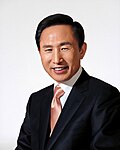
The culture of Gyeongbuk is a blend of traditional values and modern lifestyle. The province is home to many influential figures, including former South Korean President Lee Myung-bak and famous singer Taeyeon.
Local Flavors
One cannot visit the region without trying Andong Sikhye. Unlike the standard sweet rice punch found elsewhere, this version from the Andong region is distinctively red due to the addition of chili powder, features more rice grains, and has a thicker consistency.
Demographics and Religion
As of 2015, the religious landscape of the province shows a significant presence of Buddhism (25.3%) and Christianity (18.5%, comprising both Protestantism and Catholicism), while 55.4% of the population identifies as irreligious.
| Category | Details |
|---|---|
| Total Area | 19,030 km² |
| Population (2014) | 2,546,960 |
| GDP Per Capita (2023) | US$ 43,886 |
| Administrative Divisions | 10 Cities, 12 Counties |
| Major Airports | Daegu International, Pohang Gyeongju |
Frequently Asked Questions
What is the largest city in North Gyeongsang Province?
Pohang is the largest city in the province, serving as a critical hub for the steel industry.
Where is the provincial capital located?
The capital is Andong. It was moved from Daegu to Andong in 2016.
What makes Andong Sikhye different from regular Sikhye?
Andong Sikhye is unique because it is red from the use of chili powder, contains more rice grains, and has less liquid/soup than the standard version.
Which industries are most important to the Gyeongbuk economy?
The province is a leader in steel, electronics, semiconductors, and secondary batteries, and is currently expanding into metaverse technologies.
How is the province connected by rail?
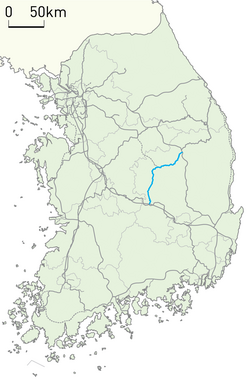
The province is served by several lines, including the Gyeongbuk Line and the Yeongdong Line, with numerous stations such as Andong, Gyeongju, and Pohang.