Nobility and Aristocracy: A Global History of Social Class
Nobility is a specialized social class found in various societies that maintain an aristocracy. Typically ranked immediately below royalty, the nobility often serves as an estate of the realm, possessing exclusive functions, legal privileges, and social characteristics. While these advantages vary significantly by era and country, membership is generally hereditary and patrilineal, meaning titles and rights are passed from father to children.
Historically, nobility was granted by a monarch or a government. However, commoners could occasionally ascend to this class by acquiring substantial wealth, power, land ownership, or by earning royal favor.
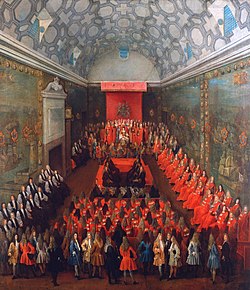
Key Facts

- Structure: Nobility is usually appointed by and ranked just below royalty.
- Inheritance: Membership is typically hereditary and follows patrilineal lines.
- Diversity: While common in monarchies, nobility also existed in republics, such as Venice and Genoa.
- Global Reach: Aristocratic systems have appeared independently across Europe, Asia, Africa, and the Americas.
- Modern Status: Many countries have abolished noble privileges, though some legal structures remain in places like the Vatican City and San Marino.
The Evolution of Nobility Across Continents
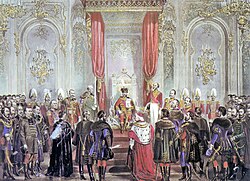
Europe and the Mediterranean
In Classical Antiquity, the Roman Republic recognized nobiles—families descended from those who had achieved the consulship. This included both hereditary patricians and plebeians whose ancestors held the office. While some modern European families claim descent from Roman nobility, no historically documented generation-by-generation genealogy exists to prove this.
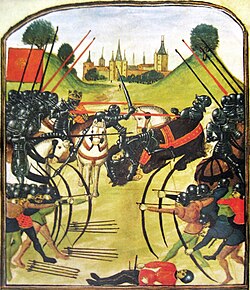
During the feudal era, nobility often provided protection to the peasantry in exchange for service.

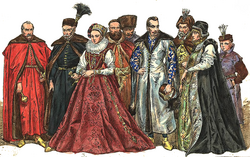
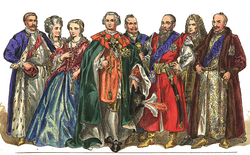
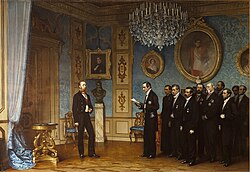
The prevalence of nobility varied wildly across Europe. The Polish-Lithuanian Commonwealth had one of the highest proportions, with roughly 15% of its 18th-century population belonging to the nobility. In contrast, Germany's nobility made up only 0.01% of the population. In the United Kingdom, the nobility dominated government until the mid-19th century. Until 1999, all hereditary peers could vote in the House of Lords; today, only 92 are entitled to do so, with 90 elected by their peers.
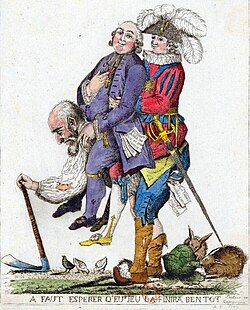
Africa
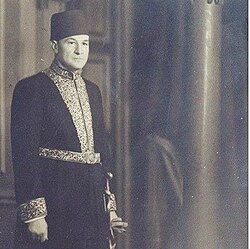
Aristocratic structures were prominent across Africa. In Ethiopia, the nobility was largely Christian, though some Muslim families, such as the Wara Seh (Yejju dynasty), gained power by converting to Christianity. Mikael of Wollo, a Muslim noble who converted, eventually became the King of Zion and married into the Imperial family.
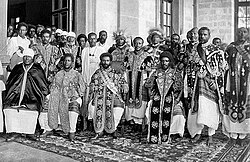
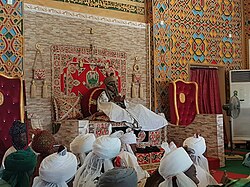
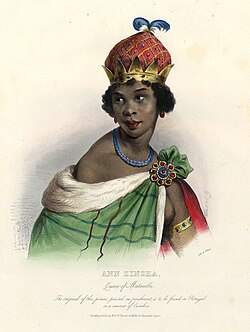
Other notable African noble traditions include the ngola of Angola, the Andriana stratum of the Merina people in Madagascar, and various chieftaincies in Nigeria, such as the Oba, Lamido, and Eze.
Asia
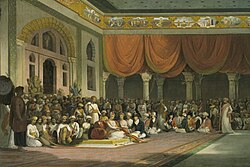
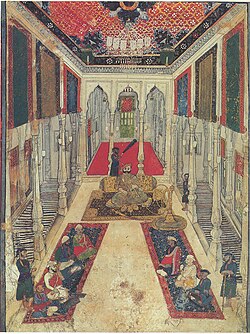
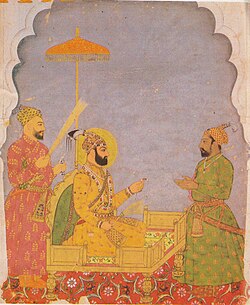
In the Indian subcontinent, the Rajputs emerged as a warrior aristocracy after the 10th century. During the Mughal Empire, Nawabs served as provincial governors before some became independent. Titles such as Raja, Rana, and Rao were common. In Nepal, the Kaji (derived from the Sanskrit Karyi, meaning functionary) was a key noble position. India abolished all noble privileges via the Twenty-Sixth Amendment of the Constitution in 1971.
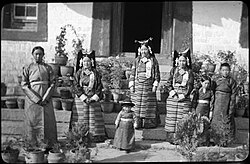
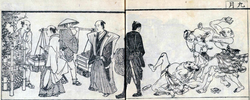
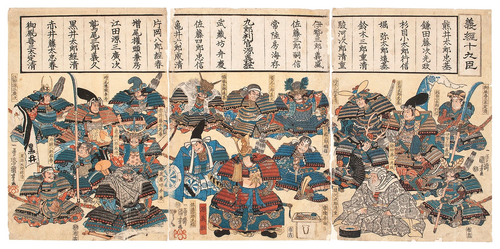
East Asia also maintained rigid structures. In Japan, the samurai and families like the Minamoto held immense power. In Korea, the yangban aristocrats and royalty occupied the highest social tier, often transported in litters called gama.

The Americas
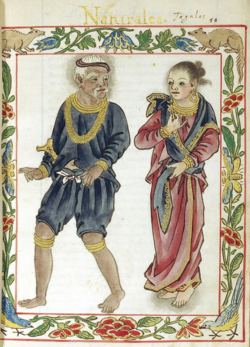
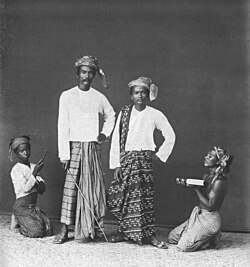
In Latin America, nobility was often tied to Spanish colonial influence. In Mexico, nobility encompassed indigenous ruling families, Spanish conquistadors ennobled by King Philip II in 1573, and holders of titles from the Viceroyalty of New Spain. In the Philippines, the Principalía and the datu class represented the local nobility, some of whom were recognized by the Spanish Crown to maintain local governance.
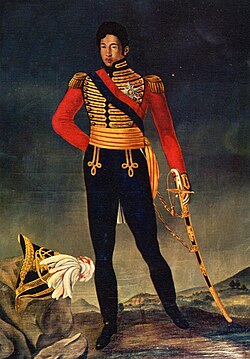
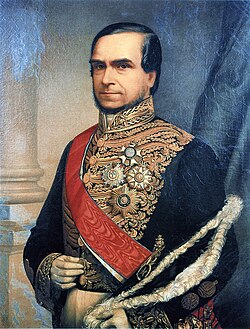
Brazil's Empire acknowledged 1,211 noble titles until the proclamation of the First Brazilian Republic in 1889, which discontinued the nobility and prohibited the acceptance of foreign titles without state permission.
Comparative Summary of Global Nobility
| Region | Key Titles/Groups | Defining Characteristic | Status/Outcome |
|---|---|---|---|
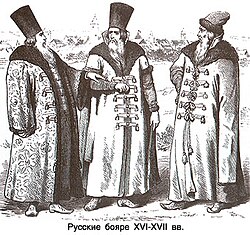
| Europe | Peers, Boyars, Junkers | Land-based feudalism; hereditary | Mostly ceremonial or abolished |
| India | Rajputs, Nawabs, Raja | Warriorhood and administration | Privileges abolished in 1971 |
| Japan | Samurai, Daimyō, Kuge | Military and court nobility | Transformed into modern systems |
| Ethiopia | Ras, Jantirar | Strong ties to the Solomonic dynasty | Imperial system ended |
| Philippines | Datu, Principalía | Pre-colonial chiefs & Spanish recognition | Integrated into colonial administration |
Frequently Asked Questions




What is the difference between nobility and royalty?
Nobility is a social class that is typically appointed by and ranked immediately below royalty. While royalty refers to the sovereign and their immediate family, nobility consists of titled individuals who hold hereditary or appointed ranks within the state.
Can a commoner become a noble?
Yes. Historically, commoners could ascend to the nobility through the acquisition of significant wealth, power, land ownership, or by receiving royal favor and a formal grant of nobility from a monarch or government.
Did nobility exist in republics?
Yes. Although more common in monarchies, nobility existed in several republics, including the Republic of Venice, the Republic of Genoa, the Dutch Republic, and the Old Swiss Confederacy.
What does the term "blue blood" refer to?
The concept of "blue blood" (sangre azul) is associated with high rank and birth, particularly in Spain, where it was used to distinguish families of high nobility, such as the grandees, from others.
How did the nobility function in the Roman Republic?
In the Roman Republic, nobiles were families descended from individuals who had achieved the consulship. This group included both the hereditary patricians and plebeians whose ancestors had held the highest office.