Ngorongoro Conservation Area: Tanzania's Volcanic Wonderland and Wildlife Sanctuary
Nestled within the Arusha Region of Tanzania, the Ngorongoro Conservation Area (NCA) stands as one of the most significant natural landscapes on Earth. Spanning 8,292 km², this UNESCO World Heritage Site is a complex mosaic of volcanic peaks, ancient geological formations, and diverse ecosystems that support a staggering density of wildlife.
From the massive, intact caldera of the Ngorongoro Crater to the prehistoric depths of Olduvai Gorge, the area offers a profound look into both the geological history of the planet and the evolutionary journey of early humans. Today, it remains a premier destination for travelers, welcoming over 750,000 visitors annually.
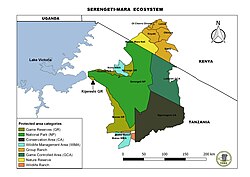
Key Facts
- Location: Ngorongoro District, Arusha Region, Tanzania.
- Total Area: 8,292 km² (3,202 sq mi).
- Status: UNESCO World Heritage Site (designated 1979).
- Main Feature: The Ngorongoro Crater, the world's largest inactive, intact, and unfilled volcanic caldera.
- Key Wildlife: Black rhinoceros, African buffalo, hippopotamus, and large lion populations.
- Human Presence: Home to the pastoralist Maasai people.
Geological Foundations and the Ngorongoro Crater
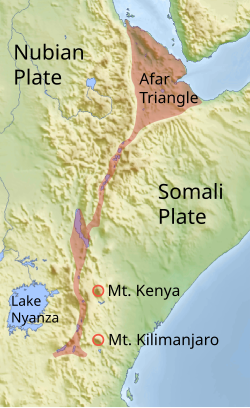
The landscape of the NCA is defined by the Pliocene Ngorongoro volcanic group. This group consists of eight extinct shield volcanoes located within the Eyasi half-graben, bounded by the Gregory Rift Western Escarpment. The complex includes various volcanic structures, such as the dome-shaped Olmoti and the caldera of Empakaai.
The Majesty of the Crater
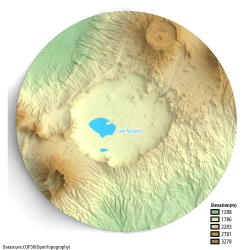
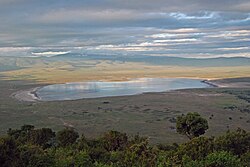
The centerpiece of the conservation area is the Ngorongoro Crater. Formed between 2 and 3 million years ago when a massive volcano collapsed upon itself, the caldera is 610 metres (2,000 feet) deep. Its floor, sitting 1,800 metres above sea level, covers 260 square kilometres of fertile land.
The crater's ecosystem is sustained by water sources like the Munge Stream, which drains into the seasonal salt lake known as Lake Magadi (or Makat in Maasai). The Lerai Stream also plays a vital role, feeding the humid Lerai Forest on the crater floor during rainy periods.
A Window into Human Evolution: Olduvai Gorge
Beyond the volcanic wonders, the NCA contains Olduvai Gorge, one of the world's most critical prehistoric sites. Research conducted here, pioneered by Mary and Louis Leakey in the 1950s, has been fundamental to our understanding of early human evolution. The gorge reveals seven main sedimentary layers, created by volcanic ash and ancient lake deposits, providing a chronological record of life on Earth.
Wildlife and Ecosystem Dynamics
The Ngorongoro Crater serves as a natural enclosure for approximately 25,000 large animals, primarily ungulates (hoofed mammals). The ecosystem is a delicate balance of predator and prey, though populations fluctuate due to environmental and biological factors.
Major Species in the Crater
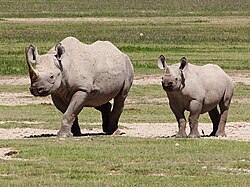
- Black Rhinoceros: A critical population that has seen recovery through intensive monitoring by groups like the Frankfurt Zoological Society.
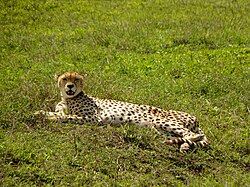
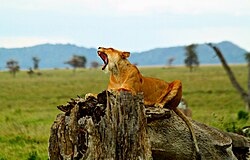
- Lions: The crater supports a significant lion population, though they face challenges from disease outbreaks and droughts.
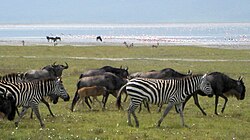
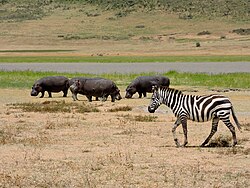
- Large Herbivores: Including African buffalo, hippopotamus, blue wildebeest, Grant's zebra, and various gazelle species.
The Great Migration
While the crater hosts a permanent resident population, the wider NCA is a vital corridor for the annual ungulate migration. Between December and June, millions of animals—including 1.7 million wildebeest and 260,000 zebra—traverse the plains in search of food and water.
Human History and Modern Challenges
The history of the NCA is deeply intertwined with human movement. While hunter-gatherers once inhabited the region, they were eventually replaced by pastoralists. The Maasai people became a dominant presence in the 1800s, and their relationship with the land remains a central theme in the area's management.
In 1959, the Ngorongoro Conservation Area Ordinance was established to secure land rights for the Maasai, separating the area from the Serengeti National Park. However, this has led to modern tensions regarding land use, population growth, and the balance between conservation and indigenous rights.
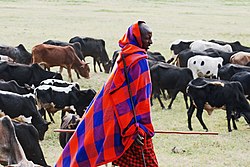
Current challenges include the rising population of pastoralists, which puts pressure on grazing lands and timber resources. To address this, the Ngorongoro Conservation Area Authority has explored voluntary resettlement programs to ensure the long-term sustainability of the ecosystem.
Summary of Ngorongoro Conservation Area
| Feature | Details |
|---|---|
| Primary Attraction | Ngorongoro Crater |
| Geological Origin | Volcanic Caldera (2–3 million years old) |
| Key Archaeological Site | Olduvai Gorge |
| Major Threats | Population growth, overgrazing, and tourism fluctuations |
| Governing Body | Ngorongoro Conservation Area Authority |
Frequently Asked Questions
What makes the Ngorongoro Crater unique?
It is the world's largest inactive, intact, and unfilled volcanic caldera, creating a self-contained ecosystem that supports a high density of wildlife.
How many tourists visit the area each year?
The area is highly popular, with over 500,000 visitors annually; specifically, 752,232 tourists visited during the 2022/23 fiscal year.
Why is Olduvai Gorge important?
It is a world-renowned prehistoric site where significant fossil discoveries have helped scientists understand the evolution of early humans.
What are the main conservation challenges in the NCA?
The primary challenges include managing the increasing population of the Maasai people, preventing overgrazing by livestock, and ensuring sustainable tourism revenue.
Is the Ngorongoro Crater still active?
No, the crater is considered an inactive volcanic caldera, though the wider region contains other volcanic features, such as the active Ol Doinyo Lengai.