New York City: The Global Epicenter of Finance, Culture, and History
Known by iconic nicknames such as The Big Apple, Gotham, and The City That Never Sleeps, New York City stands as the most populous city in the United States. A powerhouse of global influence, it serves as a primary hub for international finance, media, arts, and diplomacy. From the towering skyscrapers of Manhattan to the diverse neighborhoods of its five boroughs, the city is a testament to urban evolution and multiculturalism.
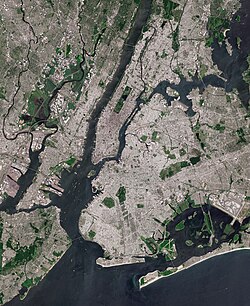
Key Facts
- Population: Approximately 8.8 million (2020 Census), ranking 1st in the U.S.
- Economic Power: A metropolitan GDP of $2.443 trillion (2024), the highest in the world.
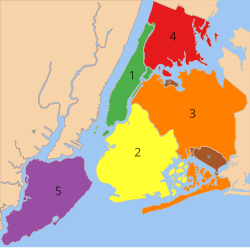
- Structure: Comprised of five constituent boroughs: The Bronx, Brooklyn, Manhattan, Queens, and Staten Island.
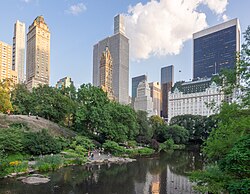
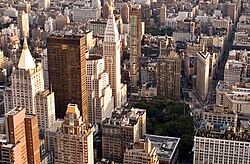
- Global Status: Home to the world's largest central business district (Midtown Manhattan) and principal financial center (Wall Street).
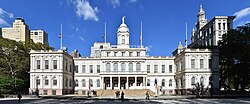
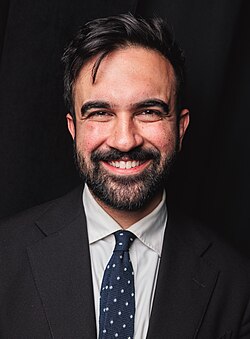
- Government: Operates under a strong mayor-council system, currently led by Mayor Zohran Mamdani.
A Journey Through History
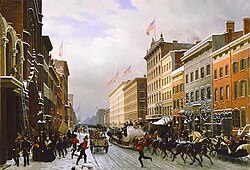
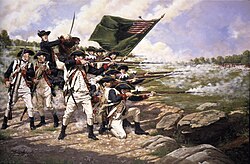
New York City's origins date back to May 20, 1624, when it was settled by the Dutch West India Company. Originally a Dutch colony, the settlement was later renamed New York on September 8, 1664, in honor of James Stuart, the Duke of York. The city played a pivotal role in the American Revolutionary War, notably during the Battle of Long Island in 1776.
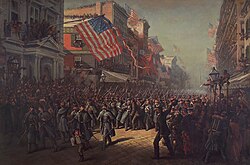
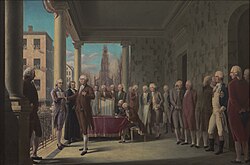
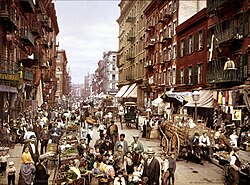
Following the revolution, the city grew rapidly through the 19th century, serving as a gateway for millions of immigrants. It witnessed the first inauguration of George Washington in 1789 and provided critical militia support during the American Civil War. By January 1, 1898, the city underwent consolidation, merging its various districts into the single administrative entity known today.
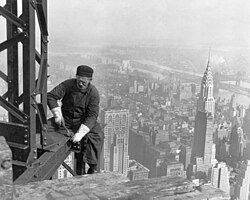
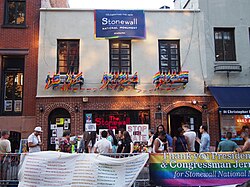
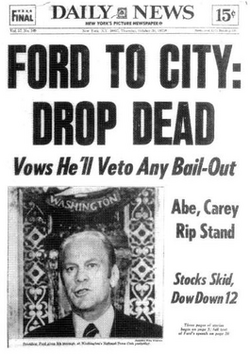
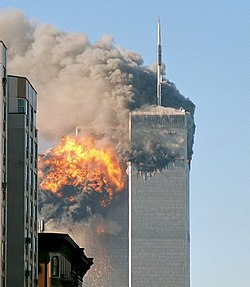
The 20th century saw the rise of the city's legendary skyline, with the construction of the Empire State Building in 1930 symbolizing its industrial ambition. The city also became a cradle for social movements, such as the modern LGBTQ+ rights movement sparked by the 1969 Stonewall riots. Despite facing a severe financial crisis in 1975, New York rebounded to maintain its status as a global leader into the 21st century.
Geography and the Five Boroughs
New York City is divided into five distinct boroughs, each with its own unique character and history:
- Manhattan: The economic and cultural heart, containing Midtown and Lower Manhattan.
- Brooklyn: Known for its historic row houses and diverse cultural districts.
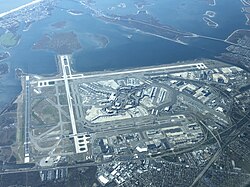
- Queens: The most ethnically diverse urban area in the world, home to JFK Airport.
- The Bronx: The northernmost borough, rich in musical and cultural heritage.
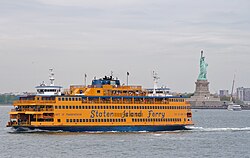
- Staten Island: The southernmost borough, connected to Manhattan via the Staten Island Ferry.
Climate and Environment
The city experiences a varied climate with distinct seasons. Average temperatures range from a mean daily minimum of 27.9°F in January to a mean daily maximum of 84.9°F in July. Precipitation is distributed relatively evenly throughout the year, with an annual average of approximately 49.52 inches at Belvedere Castle in Central Park.
Economic and Cultural Dominance
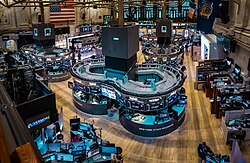
New York City is a global leader across multiple sectors. Wall Street in Lower Manhattan is the world's principal financial center, and the New York Stock Exchange is the largest stock exchange by total market capitalization.
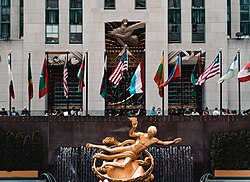
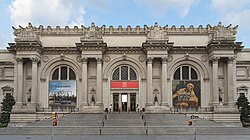
Beyond finance, the city is a beacon of tourism and entertainment. Times Square attracts 50 million tourists annually, while Fifth Avenue is recognized as the most expensive shopping street globally. The city's cultural landscape is anchored by the Metropolitan Museum of Art—the largest in the Americas—and the world-renowned Broadway theater district.
![Times Square is one of the world's leading tourist attractions with 50 million tourists annually.[231]](/images/c2/0e/c20e23471b569416ebf05c6648efaf7da186d8ecf4ca2d995d518910046f44c9.jpg)
Education and Innovation
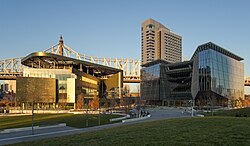
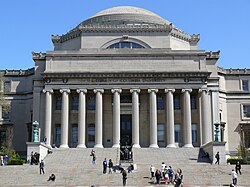
The city is a center for higher learning and technology. Institutions like Columbia University and Cornell Tech drive research and innovation. The Flatiron District has emerged as the cradle of Silicon Alley, the metonym for the region's high-tech sector.
Infrastructure and Public Services
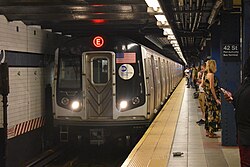
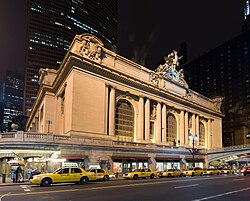
To support its massive population, New York employs some of the world's most extensive infrastructure. The New York City Subway is one of the largest metro systems globally, and the city hosts the two busiest train stations in the U.S.: Grand Central Terminal and New York Penn Station.
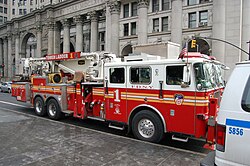
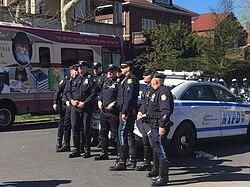
Public safety is managed by the New York Police Department (NYPD) and the Fire Department of New York (FDNY), the latter being the largest municipal fire department in the United States. In healthcare, New York-Presbyterian Hospital stands as the city's largest hospital and private employer.
City Overview Summary
| Category | Detail |
|---|---|
| Total Area | 472.43 sq mi |
| Population (2020) | 8,804,190 |
| Metro GDP (2024) | $2.443 Trillion |
| Boroughs | 5 (Bronx, Brooklyn, Manhattan, Queens, Staten Island) |
| Highest Elevation | 400 ft |
Frequently Asked Questions
![The Statue of Liberty on Liberty Island in New York Harbor, a global symbol of the United States and its ideals of liberty, freedom, and opportunity[117]](/images/58/01/58010be52b826ea63dc8fec024dc024810247200dbbcc36dbd0f5d741e7a3e51.jpg)
![The Sunset Park Material Recovery Facility is the largest commingled recycling facility in the United States.[232][233]](/images/af/19/af19ae0d4b7ce1bb854e1a44119c6f0a56687e2daefd03b9ad57746c4b5f8dd5.jpg)
![The NYC Pride March is the largest pride parade in the world.[304]](/images/57/1a/571a881069b915280debf32e7e2664bfeb67896cbbafcb858550092acd549fb1.jpg)
![Midtown Manhattan is the world's largest central business district.[33]](/images/2e/86/2e86d27e7be2879ed41671375fe80aa2167203e8bcead85276379fa16c683b70.jpg)
![Lower Manhattan, including Wall Street, the world's principal financial center,[32] and One World Trade Center, the tallest skyscraper in the United States](/images/22/0a/220a0a99397a6ed612e00eaeadad620432876b19a9945b7a94e8a0e365356e60.jpg)
![Fifth Avenue in Midtown Manhattan is the most expensive shopping street in the world.[361]](/images/50/79/50793de952da5c447b7cb673a18addbb6f0b2059cd8b0fcd42a7847841c628d5.jpg)
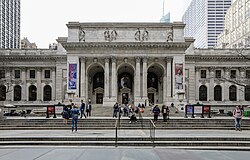
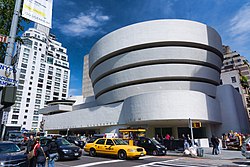
![New York is typically characterized by its fast pace of life,[19][20][21] which has spawned the term New York minute.[428]](/images/d0/57/d0579176717846d9ecf9c4a2c506a25487496fb2b49c6a175f7ed0a8b4cd189c.jpg)
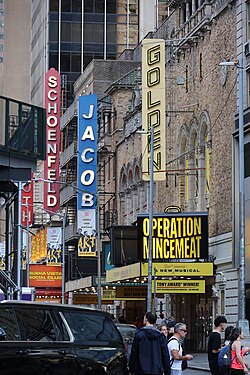
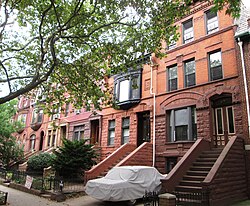


![The annual Macy's Thanksgiving Day Parade, the world's largest parade[479]](/images/b0/c6/b0c640add118825196de442aa0ab85724a13d3ea40b05d269f9555960d6ad8ed.jpg)
![New York-Presbyterian Hospital, affiliated with Columbia University and Cornell University, is the largest hospital and largest private employer in New York City and one of the world's busiest hospitals.[513]](/images/07/ee/07ee500c4f97301283150f7cb3ddc772195ff1fbbcc9ab22a0fd53e24c223b73.jpg)
![Port Authority Bus Terminal, the world's busiest bus station, at Eighth Avenue and 42nd Street[553][554]](/images/7f/1a/7f1a350b5c6f1c3c40c11783d50b25cdcd4b6aecf82bc7ecd3c68a5a9087cee8.jpg)
What are the five boroughs of New York City?
The five boroughs are Manhattan, Brooklyn, Queens, The Bronx, and Staten Island.
Which is the largest art museum in the Americas?
The Metropolitan Museum of Art, located in New York City, is the largest art museum in the Americas.
What is the significance of Wall Street?
Wall Street is the world's principal financial center and is home to the New York Stock Exchange, the world's largest stock exchange by market capitalization.
How many tourists visit Times Square annually?
Times Square is one of the world's leading tourist attractions, drawing approximately 50 million visitors every year.
Who founded New York City?
New York City was founded by the Dutch West India Company on May 20, 1624.