New York Botanical Garden: A 250-Acre Sanctuary of Science and Nature
Located in the heart of Bronx Park, the New York Botanical Garden (NYBG) stands as a premier destination for plant lovers, researchers, and families alike. Since its establishment in 1891, this sprawling 250-acre site has evolved into a world-class institution, hosting over one million living plants and attracting more than a million visitors annually.
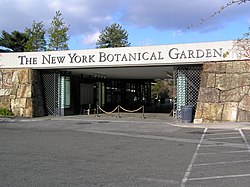
Whether you are wandering through historic landscapes or studying rare specimens in a specialized library, the NYBG offers a unique intersection of natural beauty and rigorous scientific study. As a designated National Historic Landmark, the garden preserves not only biological diversity but also significant architectural history.
Key Facts
- Established: 1891
- Location: The Bronx, New York City
- Total Area: 250 acres (100 hectares)
- Annual Visitors: Over 1 million (as of 2016)
- Major Landmark: Enid A. Haupt Conservatory
- Scientific Resources: LuEsther T. Mertz Library and William & Lynda Steere Herbarium
A Legacy of Botanical Excellence
The history of the NYBG is marked by a long lineage of leadership and scientific contribution. From its founding under Dr. Nathaniel Lord Britton to its current leadership under Jennifer Bernstein, the institution has remained at the forefront of botanical science. The garden has consistently expanded its reach through publications such as the scientific journal Brittonia, which has been produced since 1931.
Historic Landmarks and Architecture
The grounds are home to several structures of immense historical value. The Enid A. Haupt Conservatory, a stunning Victorian-era greenhouse, is a designated New York City landmark. It houses various habitats, allowing visitors to experience diverse climates within a single structure.
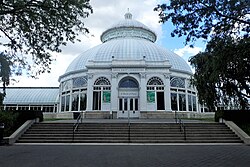
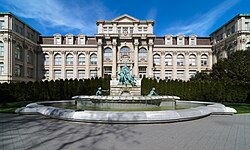
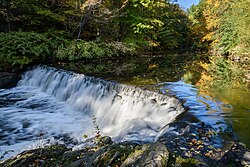
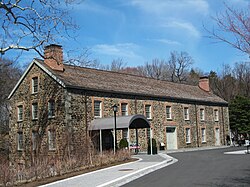
Beyond the conservatory, the garden features other significant landmarks, including the LuEsther T. Mertz Library—one of the world's largest collections of botany-related texts—and the historic Lorillard Snuff Mill, which is listed on the National Register of Historic Places.
Specialty Gardens and Collections
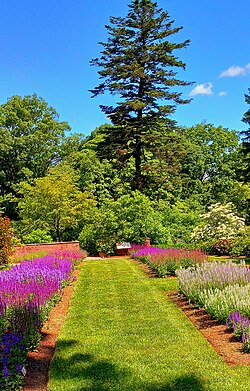
The diversity of the NYBG is best experienced through its specialized collections. Each area is designed to showcase specific plant families or ecological settings, providing both aesthetic pleasure and educational value.
Diverse Landscapes
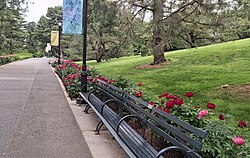
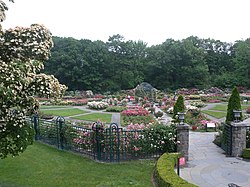
- Rose Collections: Visitors can explore the beauty of various rose species, including the Peggy Rockefeller Rose Garden and the Rosen Seasonal Walk.
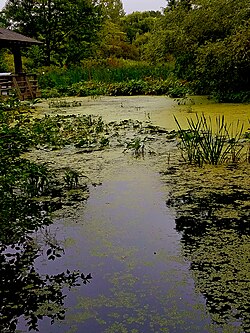
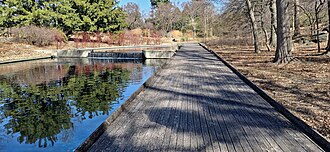
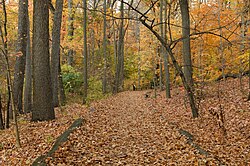
- Wetlands and Forests: The Mitsubishi Wild Wetland Trail and the Thain Family Forest offer immersive experiences in aquatic and woodland ecosystems.
- Native and Specialty Plants: The Native Plant Garden and the Matelich Peony Collection highlight the importance of regional flora and specific ornamental varieties.
Scientific Research and Education
The NYBG is more than just a park; it is a hub for horticulture (the art and science of growing plants) and botanical research. The William & Lynda Steere Herbarium and the School of Professional Horticulture provide essential resources for students and scientists worldwide. The institution's commitment to education is reflected in its diverse programs and exhibitions that bridge the gap between nature and the public.
Quick Reference Summary
| Feature | Details |
|---|---|
| Site Size | 250 acres |
| Primary Conservatory | Enid A. Haupt Conservatory |
| Key Library | LuEsther T. Mertz Library |
| Status | U.S. National Historic Landmark |
| Transit Access | Metro-North Railroad (Harlem Line) |
Frequently Asked Questions
How do I get to the New York Botanical Garden?
The garden is located in the Bronx and is accessible via public transit, specifically the Metro-North Railroad on the Harlem Line.
What is the Enid A. Haupt Conservatory?
The Enid A. Haupt Conservatory is a historic Victorian-era greenhouse located within the NYBG that contains several different plant habitats.
Is the New York Botanical Garden a historic site?
Yes, the NYBG was declared a National Historic Landmark in 1967 and contains several individual New York City landmarks.
What can I find in the LuEsther T. Mertz Library?
The library contains one of the largest collections of botany-related texts in the world, serving as a vital resource for scientific research.
How many plants are at the NYBG?
The landscape contains over one million living plants across its 250-acre site.