New Orleans Botanical Garden: A Legacy of Art and Horticulture
Nestled within the expansive greenery of City Park in Louisiana, the New Orleans Botanical Garden stands as a testament to resilience, artistic vision, and botanical diversity. As the first classical garden in New Orleans, this 12-acre sanctuary blends the structured elegance of Art Deco design with a vast collection of global flora, offering visitors a serene escape and an educational journey through nature.
From its origins as a Great Depression-era public works project to its triumphant recovery after devastating storms, the garden has evolved into a premier horticultural center for the Gulf South.
Key Facts
- Location: City Park, New Orleans, Louisiana.
- Size: 12 acres featuring over 2,000 different plant species.
- Origins: Funded by the Works Progress Administration (WPA) and unveiled in 1936.
- Artistic Influence: Heavily featuring the Art Deco works of Mexican sculptor Enrique Alférez.
- Major Attractions: Lord and Taylor Rose Garden, Japanese Garden, and the miniature Train Garden.
- Resilience: Successfully replanted 90% of its flora following Hurricane Katrina in 2005.
History and Evolution
The WPA Era and Art Deco Beginnings
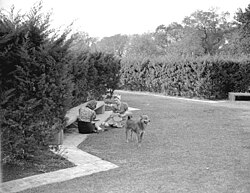
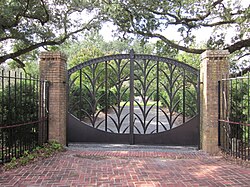
The garden, originally known as the Rose Garden, was unveiled in 1936. It was part of a massive $12 million restructuring of City Park funded by the Works Progress Administration (WPA), a New Deal agency that employed nearly 20,000 workers. The design was a collaboration between architect Richard Koch, landscape architect William Wierdorn, and sculptor Enrique Alférez. Together, they created a public classical garden in the popular Art Deco style, combining surreal artwork with natural landscapes.
Decay and Renaissance
Following the economic boom of the 1940s, federal funding ceased, leading to decades of neglect. By the early 1980s, the garden suffered from vandalism and declining attendance. The turning point came in 1982 with the appointment of Paul Soniat as the first director and the support of the Friends of City Park. The site was renamed the New Orleans Botanical Garden and underwent a rigorous restoration based on plans by landscape architect Neil Odenwald.
Further expansions in 1987, led by Jon Emerson and Peter Trapolin, improved circulation and added the Pavilion of the Two Sisters (dedicated in 1995). This era also saw the launch of Celebration in the Oaks, a holiday event that provided a vital financial boost, attracting over 100,000 visitors in its inaugural year.
Growth and Modernization (1990s–2005)
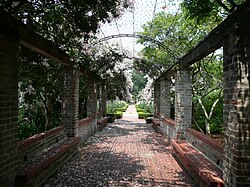
The late 20th and early 21st centuries brought rapid development. Key additions included the Garden Study Center (1992), the Lath House (1998), and the Zemurray Azalea and Camellia Garden (1997). In 2002, the garden introduced the Japanese Garden and a historic miniature train garden. By 2003, the Conservatory of the Two Sisters and the Stove House were restored, and a dedicated vegetable and fruit garden was established.
Overcoming Hurricane Katrina
In 2005, Hurricane Katrina brought devastating floodwaters that remained for two weeks, killing approximately 90% of the garden's plant life. Despite the near-total destruction of the collections, the garden's infrastructure and sculptures remained largely intact. Thanks to the Azby Fund and a global wave of volunteers, the garden achieved a remarkable recovery, reopening for Celebration in the Oaks just 14 weeks after the storm.
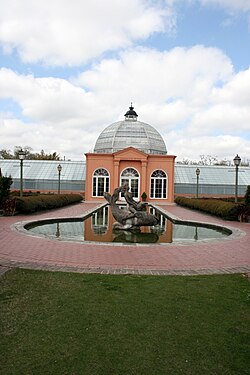
Post-Katrina improvements included the Robert B Haspel Garden Stage and the Duplantier Pavilion. In 2015, the Oscar J. Tolmas Center opened as the new primary entrance, and the Helis Foundation Enrique Alférez Sculpture Garden was established, showcasing 15 original works by the master sculptor.
Garden Layout and Design
The Original Garden and Rose Collections
The Original Garden preserves the formal essence of the early Rose Garden. It features four distinct garden rooms (North, South, East, and West) and a reflecting pool. A highlight is the Lord and Taylor Rose Garden, where Yaupon hedges outline beds of Early Hybrid Tea, antique Tea, and 'Blush Noisette' roses. The center is anchored by Iceberg Floribunda and Caldwell Pink bushes.
Specialized Exhibits and Demonstration Areas
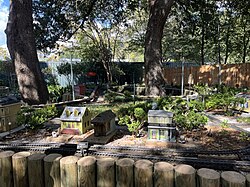
To the west, visitors find the demonstration gardens, which include aromatic and medicinal herb sections and a culinary plot. The Train Garden is a particular favorite, featuring a 1/22nd scale model of early 19th-century New Orleans. This exhibit includes 1,300 feet of track with miniature trains and buildings constructed entirely from botanical materials.
The Art of Enrique Alférez
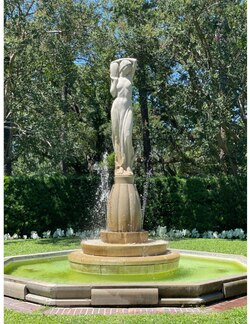
Art is woven into the landscape, primarily through the work of Mexican-born sculptor Enrique Alférez. His pieces, ranging from the 12-foot bronze "The Flute Player" to a functional sundial, are crafted from cast concrete, carved limestone, and bronze. Other notable works include a sculpture by Rose Marie Huth (1942) depicting a woman riding a large fish.
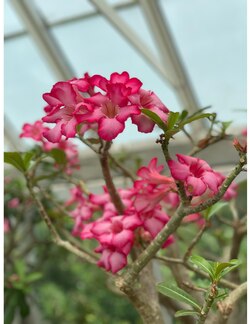
Garden Summary
| Feature | Description | Key Highlight |
|---|---|---|
| Lord & Taylor Rose Garden | Formal rose beds with Yaupon hedges | 'Blush Noisette' and Iceberg roses |
| Train Garden | 1/22nd scale model of early New Orleans | 1,300 ft of track; plant-based buildings |
| Alférez Sculpture Garden | Collection of Art Deco sculptures | 15 original works by Enrique Alférez |
| Zemurray Garden | Circular walk of Azaleas and Camellias | "The Flute Player" bronze sculpture |
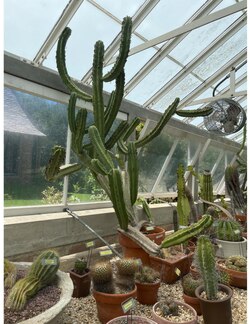
| Conservatory | Structure for exotic and sensitive flora | Conservatory of the Two Sisters |
Frequently Asked Questions
How long does it take to tour the garden?
A typical walk through the 12-acre grounds can take anywhere from 20 minutes to a couple of hours, depending on the visitor's pace and interest in the various exhibits.
What is the Train Garden?
The Train Garden is a miniature 1/22nd scale representation of New Orleans as it appeared in the early 19th century. The buildings are made from botanical materials, and miniature trains run on weekends and during special events.
Who was Enrique Alférez?
Enrique Alférez was a Mexican-born artist and sculptor whose Art Deco style defines much of the garden's aesthetic. He created the majority of the sculptures found on the grounds between 1932 and 1998.
What happens during Celebration in the Oaks?
Celebration in the Oaks is a popular annual holiday event that serves as a major financial boost for the garden. It features festive displays and a train-car decorating contest in the Train Garden.
How did the garden recover from Hurricane Katrina?
Despite losing 90% of its plants to floodwaters, the garden recovered through significant donations from the Azby Fund and the help of volunteers from across the US and the world, reopening fully in March 2006.