New Brunswick, New Jersey
Known affectionately as the Hub City and the Healthcare City, New Brunswick is a vibrant urban center located in Middlesex County, New Jersey. Established on December 30, 1730, and incorporated in 1784, the city serves as a critical nexus of education, medicine, and transportation in the Northeastern United States.
The city's identity is deeply intertwined with its role as a center for higher learning and global industry, hosting a major campus of Rutgers University and the world headquarters of Johnson & Johnson. From its colonial roots to its modern skyline, New Brunswick blends historic architecture with rapid urban redevelopment.
Key Facts
- Nicknames: Hub City, Healthcare City.
- Population: 55,266 (2020 Census) with a 2024 estimate of 57,487.
- Land Area: 5.23 square miles.
- Major Institutions: Rutgers University–New Brunswick and Robert Wood Johnson University Hospital.
- Government: Faulkner Act (mayor–council) led by Mayor James M. Cahill.
- Primary Highway: Route 18.
Geography and Climate
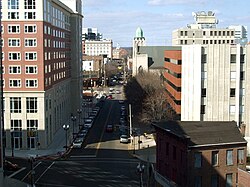
New Brunswick is situated in the heart of Middlesex County, characterized by its proximity to the Raritan River. The city's elevation averages 62 feet above sea level.
The local climate is typical of the region, with distinct seasonal shifts. Summer temperatures can reach record highs of 106°F, while winter lows have dropped to -16°F. Precipitation is distributed throughout the year, with an average annual total of approximately 49.53 inches, including significant snowfall during the winter months.
Urban Development and Architecture
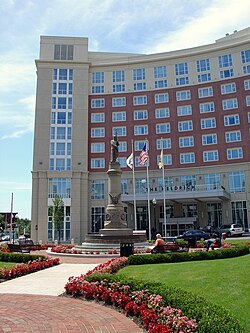
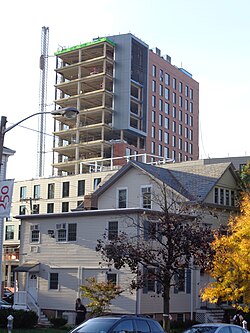
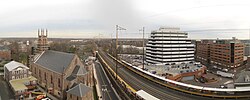
The city's skyline is a testament to its growth, featuring a mix of historic landmarks and modern high-rises. The Gateway stands as the tallest completed building at 298 feet, followed by the New Brunswick Performing Arts Center. The city is currently undergoing significant expansion with the HELIX complex, which includes proposed towers like H-3, expected to reach 492 feet by 2030.
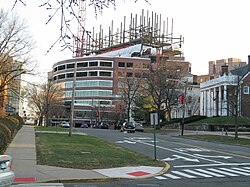
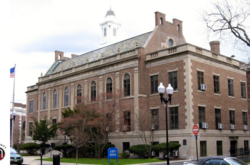
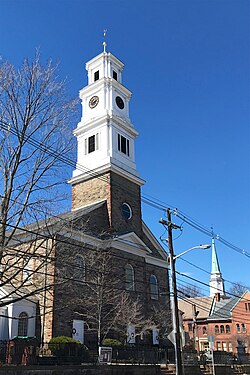
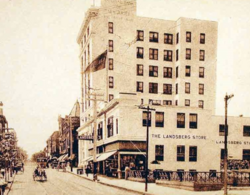
Historic preservation remains a priority, with the First Reformed Church (built in 1812) and the National Bank of New Jersey (1908) serving as architectural anchors of the city's past.
Economy and Infrastructure
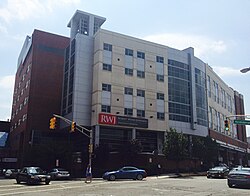
New Brunswick's economy is driven by the healthcare and pharmaceutical sectors. The presence of the Johnson & Johnson world headquarters and the Robert Wood Johnson University Hospital makes it a global leader in medical innovation.
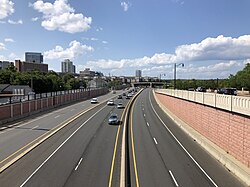
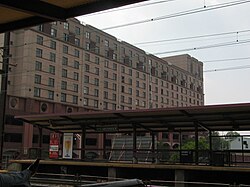
Transportation is a cornerstone of the city's "Hub" nickname. The New Brunswick station provides essential NJ Transit rail service to New York City, while Route 18 serves as the primary vehicular artery for those entering and exiting the city.
Culture and Community
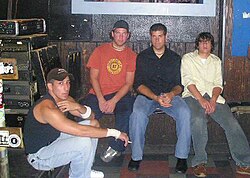
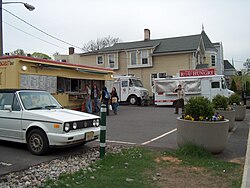
The city boasts a diverse cultural landscape, from the George Street Playhouse to the eclectic music scene. The Court Tavern, for instance, has evolved from a live music club opened in 1981 to a 100% vegan venue as of 2024. Local traditions also include the famous "Grease Trucks" on the Rutgers College Avenue Campus.
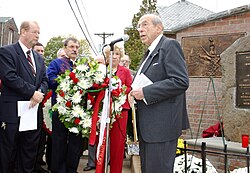
New Brunswick is also a spiritual center with a wide array of places of worship, including the historic Christ Church (granted a royal charter in 1761) and the Anshe Emeth Memorial Temple, established in 1859.
Notable Residents
The city has been home to or associated with a wide array of influential figures across various fields:
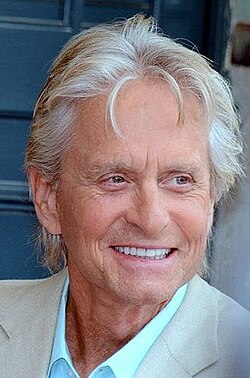
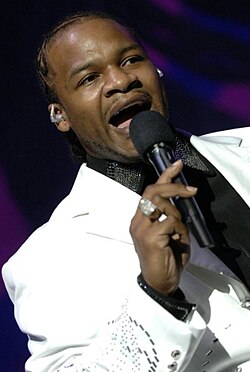
- Arts & Entertainment: Actor Michael Douglas, R&B singer Jaheim, and actor Paul Wesley.
- Sports: Olympic gymnast Laurie Hernandez, NBA player Jalen Brunson, and former NFL quarterback Joe Theismann.
- Science & Academia: Theoretical physicist Alan Guth and mathematician John Tukey.
- Journalism: Author and journalist Matt Taibbi and CBS News correspondent Jim Axelrod.


City Overview Summary
| Category | Detail |
|---|---|
| Established | December 30, 1730 |
| County | Middlesex |
| Population (2020) | 55,266 |
| Tallest Building | The Gateway (298 ft) |
| Major Employer | Johnson & Johnson |
| Primary Transit | NJ Transit / Route 18 |
Frequently Asked Questions
Why is New Brunswick called the Hub City?
The nickname refers to the city's central role as a transportation and economic hub, particularly its strategic location and connectivity via rail and highways.
What are the tallest buildings in New Brunswick?
The tallest completed building is The Gateway at 298 feet, followed by the New Brunswick Performing Arts Center at 282 feet.
Which major university is located in New Brunswick?
Rutgers University–New Brunswick is the primary institution of higher education in the city.
What is the significance of the HELIX complex?
The HELIX complex is a major redevelopment project consisting of three towers, including the Nokia Headquarters (H-2) and the proposed H-3 tower, which is expected to be the city's tallest building.
What is the demographic makeup of the city?
According to the 2020 census, the city has a diverse population, with 56.8% identifying as Hispanic or Latino and 24.2% identifying as White.