Neuroscience: The Multidisciplinary Study of the Nervous System
Neuroscience is the scientific study of the nervous system, encompassing the brain, spinal cord, and peripheral nervous system. It seeks to understand how these structures function and what happens when they are disordered. Because the nervous system is so complex, neuroscience is inherently multidisciplinary, drawing from physiology, anatomy, molecular biology, psychology, physics, computer science, and mathematical modeling to uncover the properties of neurons, glia (non-neuronal cells that provide support), and neural circuits.
The field aims to solve what Eric Kandel described as the "epic challenge" of biological sciences: understanding the biological basis of perception, consciousness, behavior, memory, and learning.
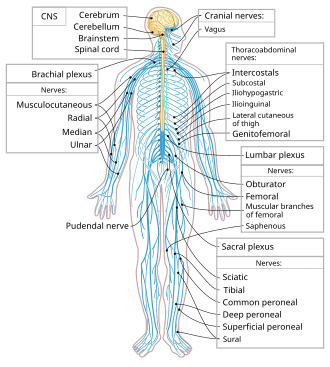
Key Facts
- Scope: Covers everything from molecular studies of single neurons to large-scale imaging of cognitive tasks.
- Composition: Focuses on neurons, glia, and the intricate circuits they form.
- Interdisciplinary Nature: Integrates medicine, chemistry, statistics, and developmental biology.
- Applied Fields: Has evolved into specialized areas like neuroeconomics, neuroethics, and neurolaw.
The Evolution of Neuroscience
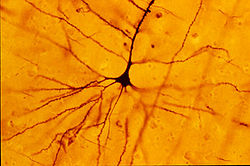
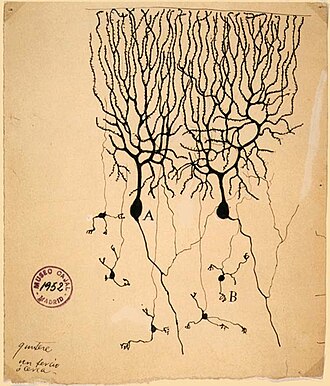
Over time, the scope of neuroscience has expanded from basic anatomical observations to sophisticated molecular and cellular analyses. Early breakthroughs in visualization were pivotal; for instance, the Golgi stain allowed scientists to see individual neurons for the first time.
As the field grew, so did the need for professional collaboration. The 20th century saw the birth of several influential organizations, including the International Brain Research Organization (1961), the International Society for Neurochemistry (1963), the European Brain and Behaviour Society (1968), and the Society for Neuroscience (1969).
Major Branches of Neuroscience
Modern neuroscience is divided into several specialized branches, each focusing on a different scale of the nervous system.
Molecular and Cellular Neuroscience
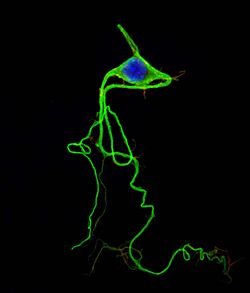
This branch examines the nervous system at its smallest levels, studying the chemical processes and cellular structures that allow neurons to communicate.
Neural Circuits and Systems
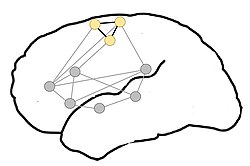
Researchers here study how groups of neurons are wired together to perform specific functions, such as processing sensory input or coordinating movement.
Cognitive and Behavioral Neuroscience
This area focuses on the relationship between brain function and high-level processes like thought, emotion, and behavior.
Computational Neuroscience
Using mathematical models and computer simulations, this branch attempts to understand how the brain processes information.
Clinical and Translational Neuroscience
Clinical neuroscience focuses on the diagnosis and treatment of nervous system disorders. Translational research works to move laboratory discoveries into practical medical treatments for patients.

Mapping the Brain
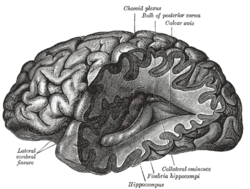
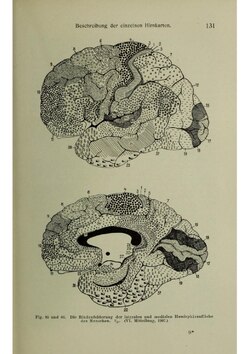
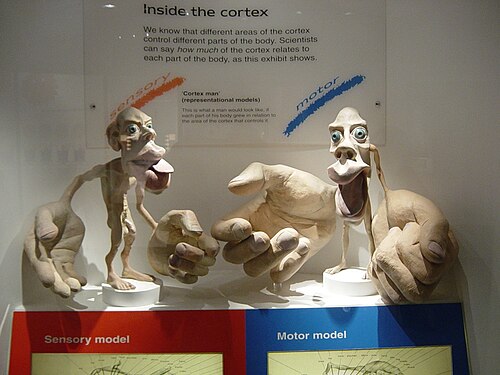
A significant part of neuroscience involves mapping the brain's geography. This includes identifying specific areas of the cerebral cortex (the outer layer of the brain) and understanding the sensory and motor homunculi—mapped representations of the body within the brain.
Neuroscience Career Paths
Due to its broad nature, neuroscience offers diverse career opportunities depending on the level of education attained.
| Education Level | Example Roles |
|---|---|
| Bachelor's Degree | Laboratory Technician, Science Writer, Clinical Research Assistant, EEG Technologist, Pharmaceutical Sales |
| Master's Degree | Nurse Practitioner, Neuroimaging Technician, Genetic Counselor, Speech-Language Pathologist, Neural Engineer |
| Advanced Degree (PhD, MD) | Research Scientist, Professor, Neuropsychologist, Clinical Psychologist, Physician |
Engineering and Technology
The intersection of neuroscience and engineering has led to the development of neuromorphic computer chips, which are hardware designs inspired by the architecture of the human brain to improve computing efficiency and intelligence.
Frequently Asked Questions
What is the difference between a neuron and glia?
Neurons are the primary signaling cells of the nervous system responsible for transmitting electrical impulses, while glia are support cells that maintain homeostasis, provide insulation, and protect neurons.
What is computational neuroscience?
It is a branch of neuroscience that uses mathematical models, computer simulations, and theoretical analysis to understand how the brain's structure produces its functional output.
What are applied disciplines like neuroethics?
These are fields that apply neuroscience findings to other societal areas. Neuroethics, for example, examines the ethical implications of brain research and the use of neurotechnology.
What is translational research in neuroscience?
Translational research is the process of taking basic scientific discoveries made in a lab (such as a new understanding of a protein in the brain) and developing them into clinical treatments or diagnostic tools for patients.