Nepal: A Comprehensive Overview of the Federal Democratic Republic
Nestled in the heart of the Himalayas, the Federal Democratic Republic of Nepal is a land of extraordinary geographical diversity and deep historical roots. From the towering peaks of the world's highest mountains to the lush, subtropical plains of the Terai, Nepal serves as a bridge between the great civilizations of South Asia. Today, it is a vibrant republic characterized by a rich tapestry of ethnicities, languages, and spiritual traditions.
Key Facts
- Capital: Kathmandu (the largest city).
- Government: Federal parliamentary republic.
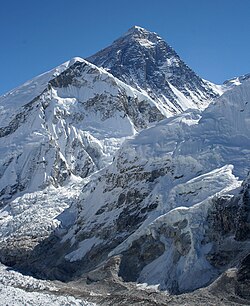
- Highest Point: Mount Everest, located on the border with China.
- National Symbols: The Himalayan monal (bird), Rhododendron arboreum (flower), and the cow (mammal).
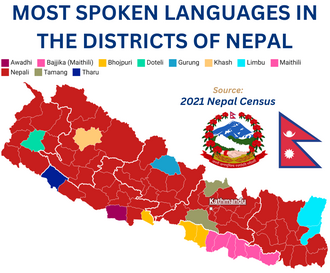
- Official Language: Nepali, though all mother-tongues are recognized national languages.
- Currency: Nepalese rupee (NPR).
Geography and Biodiversity
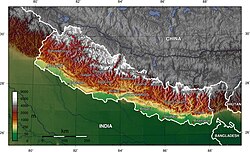
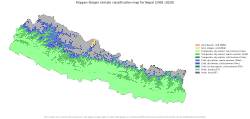
Nepal's landscape is defined by its dramatic elevation changes. The northern region is dominated by the Himalayas, including Mount Everest, the highest peak on Earth. Moving south, the terrain transitions into hills and eventually the Terai, a belt of subtropical grasslands and forests.
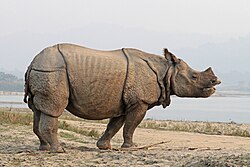
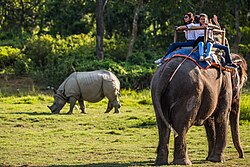
The country's biodiversity is immense. Forest cover is the dominant land cover type, providing a habitat for rare species. The Terai plains are home to the greater one-horned rhinoceros, while the high altitudes are the nesting grounds for the national bird, the Himalayan monal (Danphe).
![This land cover map of Nepal using Landsat 30 m (2010) data shows forest cover as the dominant type of land cover in Nepal.[97]](/images/3e/b2/3eb2a3d24c8490426b9590afc0850262b9ef568346bce323e6a25bba8ad8a6ec.jpg)
![The Himalayan monal (Danphe), the national bird of Nepal,[113] nests high in the Himalayas.](/images/0d/94/0d947205f45612e9b67ebdca876adbf1f1b2163ed19e9e0e94aee395f61c6ac7.jpg)
History and Political Evolution
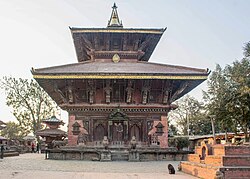
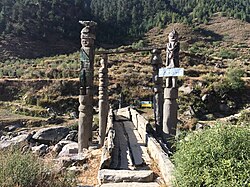
Nepal's history spans from ancient inscriptions to a modern democratic transition. Early records include the Allahabad Pillar inscription of Samudragupta (350–375 CE) and the 464 AD stone inscription at the Changu Narayan Temple. The Sinja Valley is widely regarded as the origin of the Khasa Kingdom and the Nepali language.
!["Nēpāla" in the late Brahmi script, in the Allahabad Pillar inscription of Samudragupta (350–375 CE).[17]](/images/63/ce/63ce7e9a72d6aeb3501f971a2e83f859abcc5145c343198ee86309d9f5dd2136.jpg)
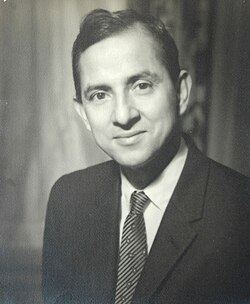
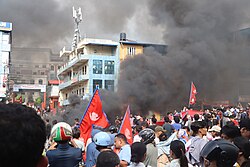
The modern state began with the unification process in 1768. Following periods of expansion and the subsequent Rana regime (1846–1951), Nepal moved toward democratization. A pivotal moment occurred in 1951 when B.P. Koirala led a revolution, eventually becoming the first democratically elected Prime Minister. After a period of absolute monarchy and civil war, Nepal officially became a Federal Republic on May 28, 2008, later adopting its current constitution on September 20, 2015.
Demographics and Culture
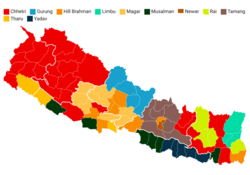
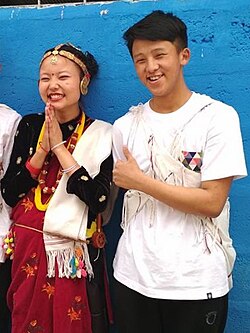
Nepal is a multi-ethnic society. The population is divided into several major groups, including the Janajati (35%), Khas Arya (30%), Madheshi (16%), and Dalit (14%). This diversity is reflected in the wide array of recognized national languages and religious practices, with Hinduism (81%) and Buddhism (8%) being the most prominent.
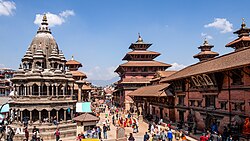
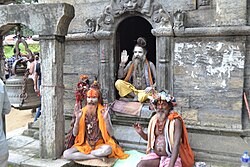
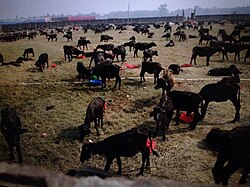
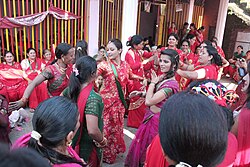
Cultural life is deeply intertwined with spirituality and art. The Durbar Squares, such as the one in Patan, showcase over a millennium of architectural development. Traditional festivals like the Gadhimai festival and Haritalika Teej remain central to community life, while the Pashupatinath Temple continues to be a focal point for Sadhus and devotees.
Traditional Attire and Cuisine
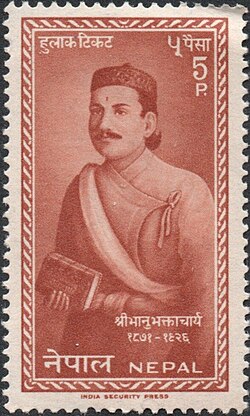
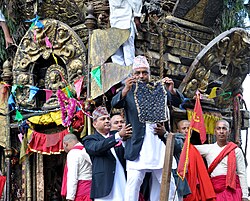
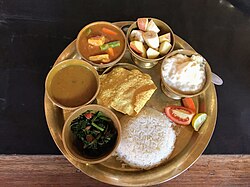
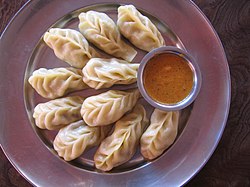
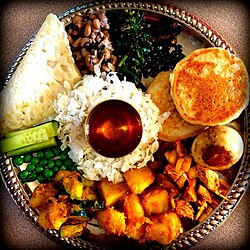
The traditional dress for men often includes the Daura-Suruwal, a coat, and the Dhaka topi. In terms of gastronomy, the staple meal is dal-bhat (lentil soup and rice), often served as a thali with vegetable curry and yogurt. Other popular dishes include momo dumplings and the Newar specialty, Samayabaji.
Economy and Infrastructure
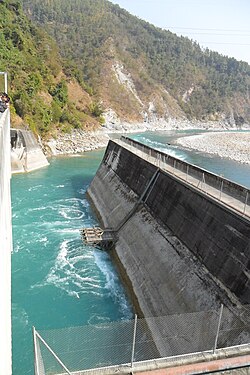
Nepal's economy is diversifying, with a strong emphasis on tourism and energy. The country possesses significant hydropower potential, exemplified by projects like the Middle Marsyangdi Hydroelectric Dam, with plans to export energy across South Asia. Tourism remains a vital sector, with visitors flocking to national parks like Chitwan to see wildlife.
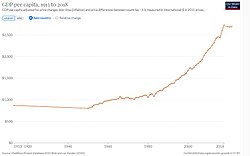
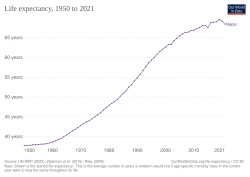
While the GDP per capita reflects a developing economy, there are ongoing efforts to improve life expectancy and human development indices across its seven provinces.
Defense and International Role
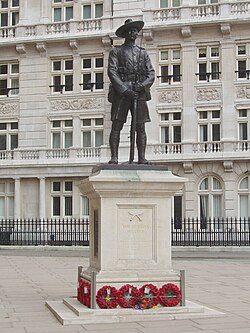
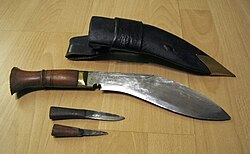
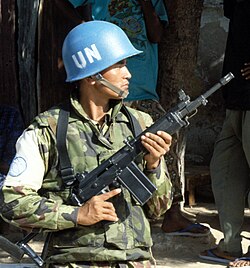
Nepal is globally recognized for the Gurkhas, elite soldiers known for their bravery and the use of the Kukri, a multipurpose knife. Beyond its own borders, Nepal is a major contributor to United Nations peacekeeping missions.
Administrative Structure
Nepal is divided into seven provinces, each with its own capital and varying levels of human development. Bagmati Province, which includes the capital Kathmandu, is one of the most populous and developed regions.
| Province | Capital | Population (2021) | HDI |
|---|---|---|---|
| Koshi | Biratnagar | 4,972,021 | 0.553 |
| Madhesh | Janakpur | 6,126,288 | 0.485 |
| Bagmati | Hetauda | 6,084,042 | 0.560 |
| Gandaki | Pokhara | 2,479,745 | 0.567 |
| Lumbini | Deukhuri | 5,124,225 | 0.519 |
| Karnali | Birendranagar | 1,694,889 | 0.469 |
| Sudurpashchim | Godawari | 2,711,270 | 0.478 |
Frequently Asked Questions
What is the official language of Nepal?
The official language is Nepali, although the government recognizes all mother-tongues spoken within the country as national languages.
Which mountain is the highest in Nepal?
Mount Everest is the highest peak in Nepal and the entire world, situated on the border between Nepal and China.
What is the significance of the Kukri?
The Kukri is a multipurpose knife and the signature weapon of the Nepali armed forces, including the world-renowned Gurkhas.
What is the national sport of Nepal?
Volleyball is the official national sport of Nepal.
What is the staple food in Nepal?
The staple meal is dal-bhat, which consists of boiled rice and lentil soup, typically served with vegetable curry and other side dishes.
![Nepali cricket fans are renowned for their exceptionally enthusiastic support of their national team.[364][365]](/images/64/76/6476b2a0d7f06b1e38ec52a25dc9fcdf1878a39d58b99a13bb052fdffec488c9.jpg)