Bhutan: The Thunder Dragon Kingdom of the Himalayas
Nestled deep within the eastern Himalayas, the Kingdom of Bhutan (known in Dzongkha as Druk gyal khab) is a land of dramatic landscapes and profound spiritual heritage. Often referred to as the "Thunder Dragon Kingdom," Bhutan has evolved from a secluded mountain stronghold into a modern constitutional monarchy that balances economic growth with environmental preservation and cultural integrity.
From the towering peaks of the north to the fertile subtropical valleys of the south, Bhutan offers a unique intersection of ancient Buddhist traditions and contemporary governance.
Key Facts
- Capital: Thimphu (the largest city).
- Official Language: Dzongkha.
- Government: Unitary parliamentary semi-constitutional monarchy.
- Primary Religion: Buddhism (74.7%).
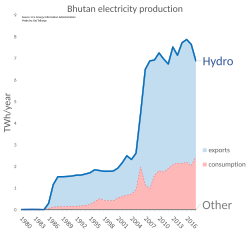
- Main Export: Hydroelectricity.
- National Animal: The Takin.
- Currency: Ngultrum (BTN), with the Indian rupee also used.
History and Political Evolution
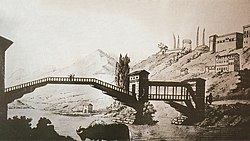
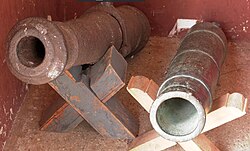
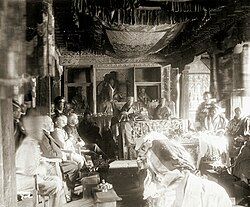
The unification of Bhutan took place between 1616 and 1634, leading to a period of governance under the Druk Desi from 1650 to 1905. A pivotal shift occurred on December 17, 1907, with the ascension of the Wangchuck dynasty, establishing the hereditary monarchy that continues today.
Throughout the 20th century, Bhutan gradually opened its borders and modernized its political structure. A significant treaty with India was signed on August 8, 1949, and the nation transitioned to a constitutional monarchy on July 18, 2008. By January 1, 2011, Bhutan officially ended Indian suzerainty, asserting its full sovereignty on the global stage.
Architectural Heritage: The Dzongs
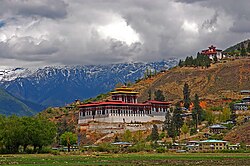
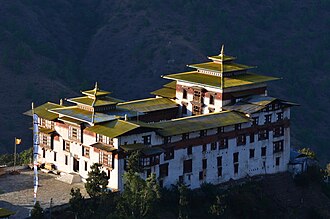
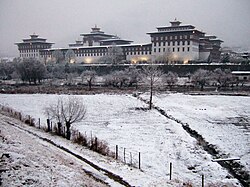
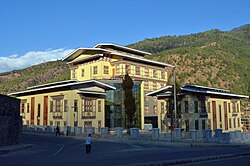
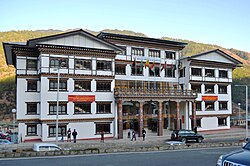
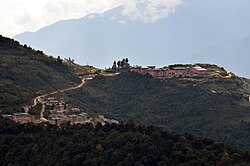
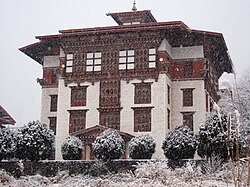
Central to Bhutanese history and administration are the dzongs—massive fortress-monasteries that serve as both religious and administrative centers. Examples include the Paro dzong, built in 1646, and the Trashigang Dzong, constructed in 1659.
Geography, Climate, and Biodiversity
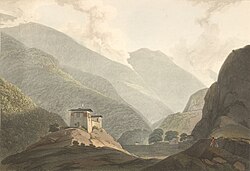
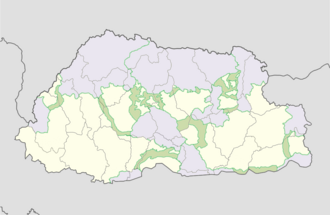
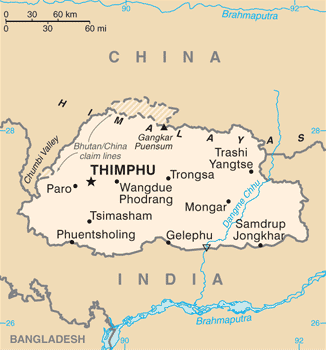
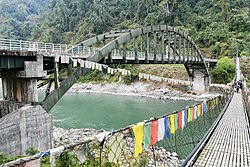
Bhutan's terrain is characterized by its extreme mountainous nature, with Gangkar Puensum standing as the highest peak. The landscape varies from sub-alpine Himalayan regions in the north to lush valleys in the west and south.
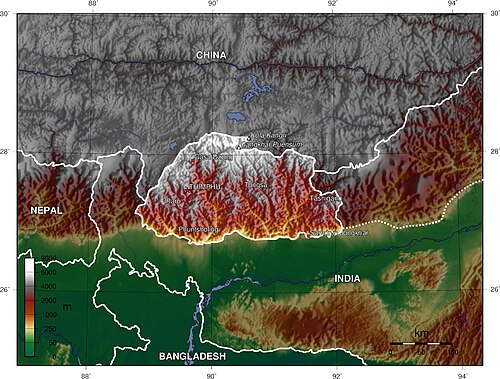
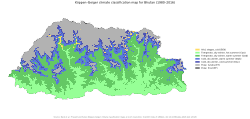
The climate is diverse, categorized by various Köppen classifications, ranging from alpine conditions with significant snowfall to subtropical warmth in the lower elevations.
Flora and Fauna
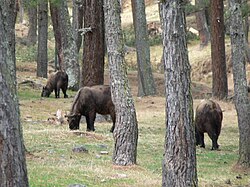
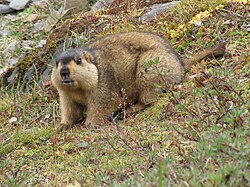
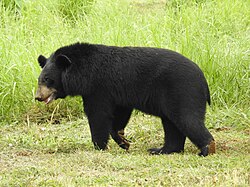
The kingdom is a biodiversity hotspot, home to unique species such as the takin (the national animal), the Himalayan marmot, and the Himalayan black bear. Bhutan places a high priority on conservation, though it continues to manage challenges related to human-wildlife conflict and climate change.
Government and Administration
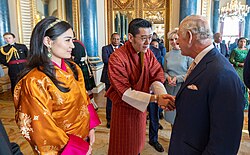
Bhutan is governed as a unitary parliamentary semi-constitutional monarchy. The current head of state is the Dragon King, Jigme Khesar Namgyel Wangchuck, and the government is led by Prime Minister Tshering Tobgay. The legislature consists of a two-house Parliament: the National Council (Upper House) and the National Assembly (Lower House).
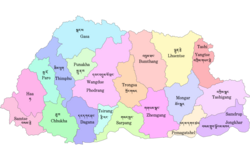
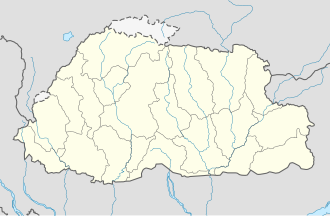
The country is divided into 20 administrative districts known as dzongkhags.
International Relations
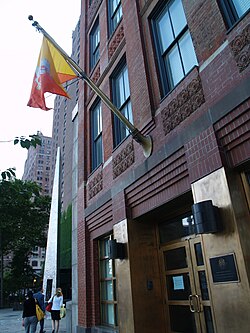
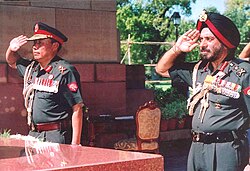
Bhutan maintains strong diplomatic ties with India and is a member of the South Asian Association for Regional Cooperation (SAARC). It also maintains a permanent mission to the United Nations in New York City.
Economy and Development
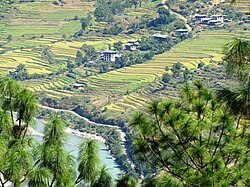
Bhutan's economy is characterized by a transition from subsistence agriculture to a more diversified modern economy. While rice terraces remain a staple of the fertile valleys, the nation's principal export is hydroelectricity, generated by its abundant river systems.
Key Economic Sectors
- Energy: Massive investment in hydropower for domestic use and export.
- Tourism: A burgeoning industry focused on high-value, low-impact travel.
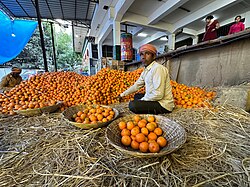
- Agriculture: Production of crops such as Mandarin oranges.
| Category | Detail |
|---|---|
| Total Area | 38,395 km² |
| Population (2022 Census) | 727,145 |
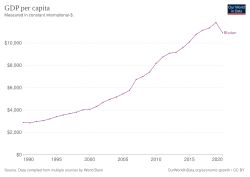
| GDP per capita (PPP 2026 Est.) | $19,255 |
| HDI (2023) | 0.698 (Medium) |
| Gini Index (2022) | 28.5 (Low inequality) |
Culture and Society
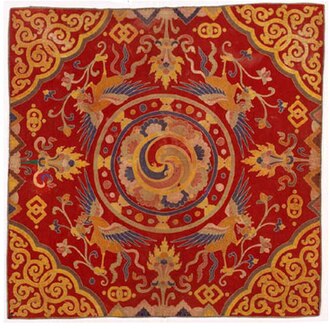
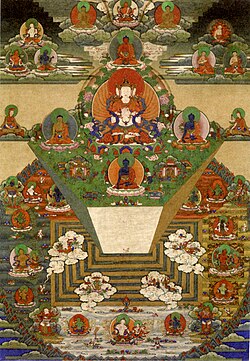
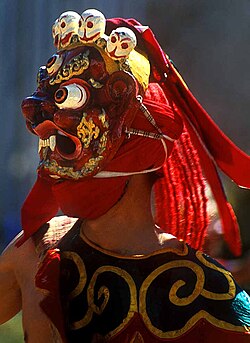
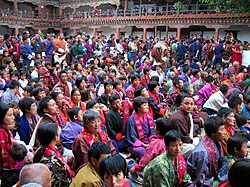
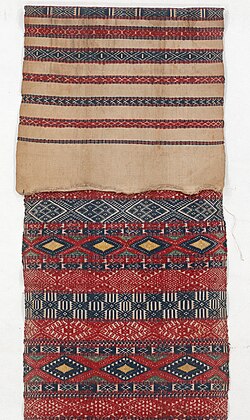
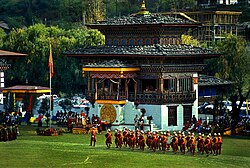
Bhutanese culture is deeply intertwined with Buddhism, which is the official religion. This influence is evident in the traditional thanka paintings, the sacred chaam (masked dances) performed during festivals, and the architectural style of the nation.
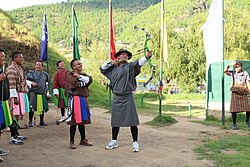
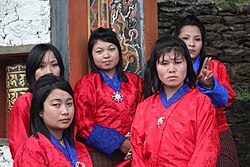
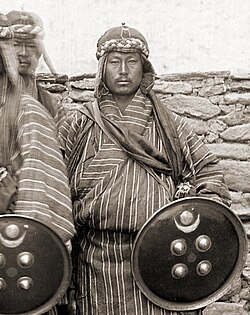
The society values tradition, as seen in the continued use of national dress during festivals and official events. Archery is the national sport, reflecting the country's historical warrior traditions.
Demographics and Language
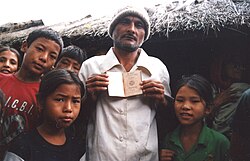
While Buddhism is the dominant faith (74.7%), Hinduism (22.6%) and Bon (1.9%) are also practiced. The population is primarily Bhutanese, though the country has a history of migration, including ethnic Nepalese (Lhotshampa) populations.
Frequently Asked Questions
![Bhutanese prime minister Tshering Tobgay with U.S. secretary of state John Kerry in 2015[105]](/images/42/25/42252ce40e380b8a2ed0d4776f6cb27af4ae3f4df5ee6813476f3c80a81acc11.jpg)

What is the official language of Bhutan?
The official language of Bhutan is Dzongkha.
What is the primary export of the Bhutanese economy?
Bhutan's principal export is hydroelectricity, leveraging its mountainous terrain and water resources.
Who is the current head of state?
The head of state is the Dragon King, Jigme Khesar Namgyel Wangchuck.
What are 'dzongs' in Bhutanese culture?
Dzongs are distinctive fortress-monasteries that serve as the administrative and religious centers of the districts.
What is the national animal of Bhutan?
The national animal of Bhutan is the takin.