Nairobi: The Dynamic Green City Under the Sun
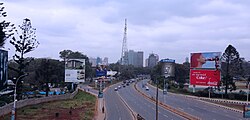
Known affectionately as "The Green City under the Sun," Nairobi is a vibrant consolidated city-county that serves as the heartbeat of Kenya. From its humble beginnings as a railway depot to its current status as a global financial hub, Nairobi blends urban sophistication with breathtaking natural landscapes, making it one of the most modern and influential cities in Africa.
Founded in 1899, the city has evolved into a sprawling metropolis. Today, it is not only the political capital of Kenya but also a critical regional center for diplomacy and commerce, hosting major international organizations and a booming real estate sector.
Key Facts
- Founded: 1899
- Population: Approximately 4.4 million (2019 census), with a metro population of 10.4 million.
- Elevation: 1,795 meters (5,889 feet) above sea level.
- Economic Status: A major financial capital of Africa with a city GDP (PPP) of $91 billion.
- Climate: Classified as Cwb, characterized by a temperate highland climate.
- Administrative Head: Governor Johnson Sakaja.
History and Urban Evolution
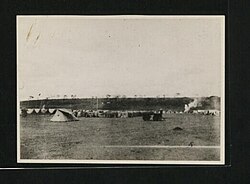
Nairobi's journey began 127 years ago, primarily driven by the construction of the railway. The early years saw the city grow from a small settlement into a colonial administrative center.
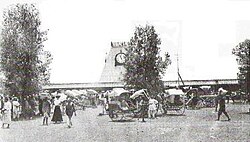
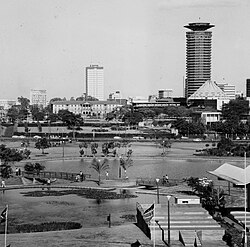
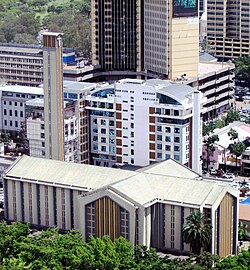
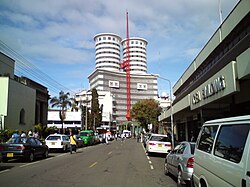
Following independence, the city experienced rapid growth, transforming into a center for trade and governance. By the late 20th century, Nairobi had established itself as a key node in the Horn of Africa. The 21st century has seen an unprecedented construction boom, with the skyline being reshaped by towering skyscrapers and modern infrastructure projects.
Geography and Climate
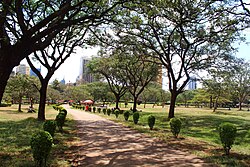
Nairobi is situated at a high elevation, which grants it a more temperate climate than many other African cities. The city experiences two rainy seasons, with the heaviest precipitation typically occurring in April, May, and November.
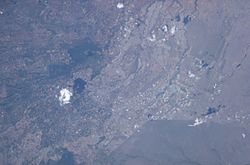
The weather is generally mild, though it can vary by neighborhood. For instance, areas like Dagoretti may experience different precipitation levels compared to the city center. The city's unique geography allows for the coexistence of a dense urban core and vast green spaces.
Economy and Infrastructure
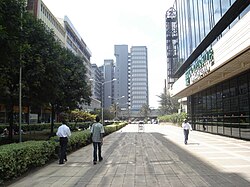
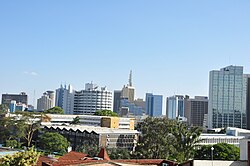
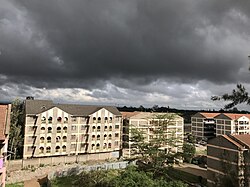
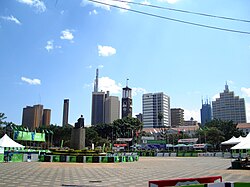
Nairobi is a powerhouse of the East African economy. The Central Business District (CBD) and the Upper Hill district are the primary engines of growth, housing the headquarters of major banks and international firms.
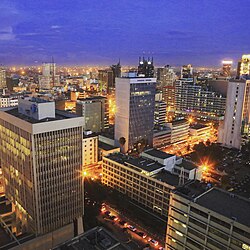
The city is currently undergoing a massive real estate transformation. The skyline is dominated by structures such as the Britam Tower (200m) and the UAP Tower (163m), with the Pinnacle Towers expected to reach 314 meters by 2029.
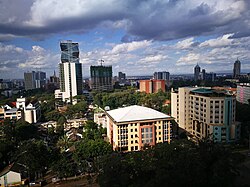
Transport and Connectivity
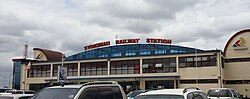
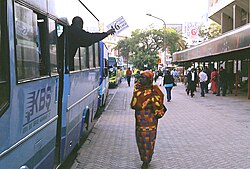
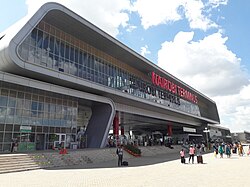
Transportation in Nairobi is a mix of traditional and modern systems. The city is famous for its matatus (privately owned minibuses) which provide the bulk of public transit. Infrastructure has been further enhanced by the Nairobi Expressway and the development of the Nairobi Terminus and Syokimau Railway Station.

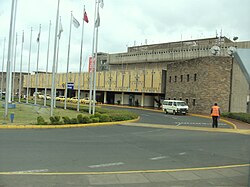
For international travel, the Jomo Kenyatta International Airport serves as the primary gateway to the city and the region.
Demographics and Society
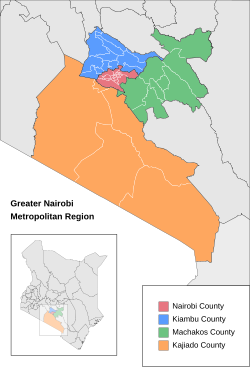
Nairobi is a melting pot of cultures and religions. The population has grown exponentially from just 11,500 in 1906 to over 4.3 million in 2019. The city is predominantly Christian (88.9%), with a significant Muslim minority (7.54%) and smaller Hindu and traditionalist communities.
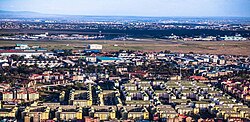
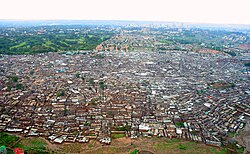
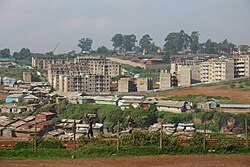
The city is divided into several sub-counties, including Westlands, Embakasi, and Starehe. However, the city also faces significant socio-economic challenges, most notably in areas like the Kibera slums, where the Kenyan Ministry of Housing and UN-Habitat are working on upgrading housing to new apartments.
Culture, Education, and Recreation
Nairobi is a hub for higher education, featuring institutions such as the University of Nairobi, Multimedia University of Kenya, and Daystar University.
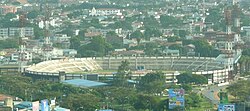
The city is also a center for sports, hosting major events like the Standard Chartered Nairobi Marathon. It boasts world-class facilities including the Nyayo National Stadium and various golf and equestrian clubs.
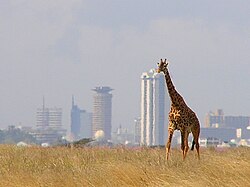
One of Nairobi's most defining features is its commitment to nature. The Nairobi National Park is the only protected area of its kind in the world to exist within a capital city, allowing giraffes and lions to be seen against a backdrop of skyscrapers.
City Overview Summary
| Category | Detail |
|---|---|
| Area | 696.1 km² |
| Population (2019) | 4,397,073 |
| GDP (Nominal City) | $35 Billion |
| HDI (2022) | 0.771 (High) |
| Highest Building (Planned) | Pinnacle Towers (314m) |
| Primary Airport | Jomo Kenyatta International Airport |
Frequently Asked Questions

What is the nickname of Nairobi?
Nairobi is widely known as "The Green City under the Sun" due to its abundance of parks, forests, and temperate climate.
What are the main economic hubs in the city?
The primary economic hubs are the Central Business District (CBD) and Upper Hill, which house the majority of the city's financial institutions and corporate headquarters.
How does the city handle public transportation?
Public transport is primarily managed through matatus (minibuses), buses, and an expanding railway network including the Nairobi Terminus.
What makes Nairobi National Park unique?
It is unique because it is the only national park in the world located within a capital city, offering wildlife sightings with the city skyline in the background.
What is the population trend of Nairobi?
Nairobi has seen rapid growth, increasing from roughly 11,500 in 1906 to over 4.3 million in 2019, with projections suggesting it will exceed 5.2 million by 2030.