Myocardial Infarction
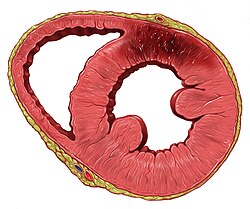
A myocardial infarction, commonly known as a heart attack, occurs when blood flow to a part of the heart muscle is severely reduced or blocked. This interruption of blood supply leads to ischemia—a condition where tissues are deprived of oxygen—which, if not treated quickly, results in the death of the heart tissue. This critical medical emergency requires immediate intervention from cardiology and emergency medicine specialists to minimize permanent damage to the heart.
In 2015, approximately 15.9 million cases of myocardial infarction were recorded globally, highlighting the significant impact of this condition on public health.
Key Facts
- Primary Cause: Usually triggered by coronary artery disease or angina.
- Critical Risk Factors: High blood pressure, smoking, diabetes, obesity, and high cholesterol.
- Core Diagnostics: Electrocardiograms (ECGs), blood tests for cardiac biomarkers, and coronary angiography.
- Emergency Treatments: Percutaneous coronary intervention (PCI) and thrombolysis.
- Prognosis: In the developed world, STEMI carries a roughly 10% risk of death.
Mechanisms and Causes
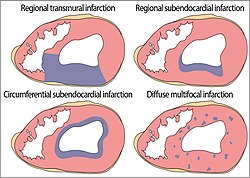
The most frequent cause of a heart attack is atherosclerosis, a process where plaques (made of fat and cholesterol) build up inside the coronary arteries. When these plaques erode, rupture, or fissure, they can trigger the formation of a blood clot that blocks the artery.
Other mechanisms include spontaneous dissection of the artery or complications associated with medical procedures, such as stent thrombosis (a clot forming inside a previously placed stent) or issues following coronary artery bypass grafting (CABG).
Risk Factors
Several lifestyle and genetic factors increase the likelihood of developing a myocardial infarction:
- Lifestyle: Lack of exercise, poor diet, and smoking.
- Medical Conditions: Diabetes, obesity, and hypertension (high blood pressure).
- Biological Factors: High blood cholesterol and genetic predisposition.
Diagnosis and Classification
Medical professionals use a combination of clinical symptoms and diagnostic tests to confirm a heart attack. The primary criteria include symptoms of ischemia, changes in the motion of the heart wall seen on imaging, and specific biological markers.
Electrocardiogram (ECG)
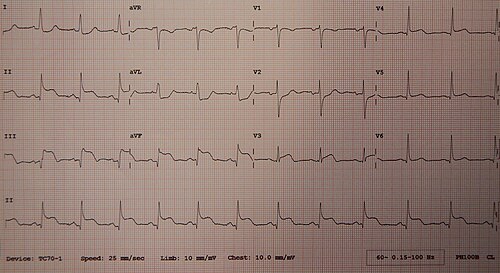
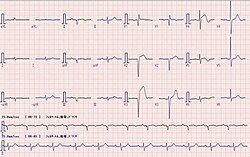
The ECG is a vital tool for identifying the type of infarction. Doctors look for ST segment changes, pathologic Q waves, or a new left bundle branch block.
Imaging and Biomarkers
Ultrasound imaging can reveal poor movement of the heart wall or the presence of pulmonary edema (fluid in the lungs) resulting from the infarction. Additionally, blood tests are used to detect cardiac biomarkers, which are proteins released into the bloodstream when heart muscle is damaged.
Management and Treatment
The goal of treatment is to restore blood flow to the heart muscle as quickly as possible to prevent further tissue death.
Emergency Interventions
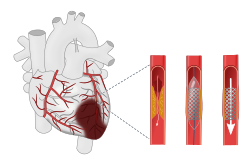
- Percutaneous Coronary Intervention (PCI): A procedure where a catheter is used to open the blocked artery, often involving the insertion of a stent to keep the vessel open.
- Thrombolysis: The use of fibrinolytic medications to dissolve the blood clot blocking the artery.
Medications
Pharmacological management typically includes:
- Antithrombotics: Aspirin and heparin to prevent further clotting.
- Vasodilators: Nitroglycerin to relieve pain and improve blood flow.
Recovery and Prevention
Secondary prevention focuses on preventing a second attack through medication and cardiac rehabilitation, which includes supervised exercise and lifestyle modifications.
| Category | Details |
|---|---|
| Common Names | Heart Attack, Acute Myocardial Infarction (AMI) |
| Primary Diagnostics | ECG, Blood Tests, Coronary Angiography |
| Key Medications | Aspirin, Nitroglycerin, Heparin |
| Major Complications | Heart failure, Cardiogenic shock, Cardiac arrest, Coma |
| Primary Prevention | Exercise, Healthy Diet, Smoking Cessation |
Frequently Asked Questions
What is the difference between a heart attack and cardiac arrest?
A myocardial infarction (heart attack) is a "plumbing" problem where blood flow to the heart is blocked. Cardiac arrest is an "electrical" problem where the heart suddenly stops beating entirely.
What is a STEMI?
STEMI stands for ST-Elevation Myocardial Infarction. It is a severe type of heart attack where a coronary artery is completely blocked, evidenced by a specific elevation in the ST segment of an ECG.
Can a heart attack happen without symptoms?
Yes, some individuals experience a "silent" myocardial infarction, where the typical signs of a heart attack are absent or very mild.
How does a stent help during a heart attack?
A stent is a small mesh tube inserted into the blocked artery during a percutaneous coronary intervention. It acts as a scaffold to hold the artery open, restoring blood flow to the heart muscle.
What are the most dangerous complications of a heart attack?
The most severe complications include cardiogenic shock (where the heart cannot pump enough blood to meet the body's needs), heart failure, irregular heartbeats, and sudden cardiac arrest.