Cardiovascular Disease
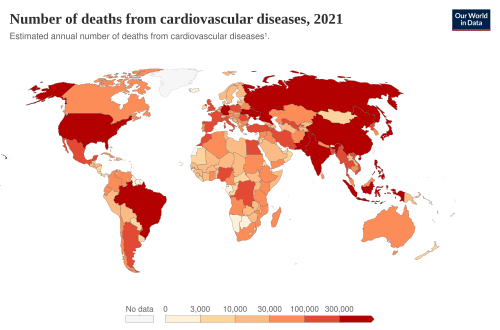
Cardiovascular disease (CVD) is a broad term encompassing a range of conditions that affect the heart and blood vessels. As one of the leading causes of mortality globally, it represents a significant challenge to public health. In 2015 alone, CVD was responsible for approximately 17.9 million deaths, accounting for 32% of all global deaths.
While these conditions often manifest in older adults, the underlying causes can develop over decades. Recognizing the symptoms—such as chest pain, shortness of breath, fatigue, and loss of consciousness—is critical for early intervention and management.
Key Facts
- Global Impact: Caused 17.9 million deaths in 2015 (32% of total deaths).
- Primary Symptoms: Chest pain, fatigue, shortness of breath, and loss of consciousness.
- Common Risk Factors: Tobacco use, physical inactivity, poor diet, and hypertension.
- Prevention: Focused on healthy eating, regular exercise, and avoiding tobacco.
- Treatment: Includes managing blood pressure, lipids, and diabetes, alongside medications like beta blockers and aspirin.
Types of Cardiovascular Disease
Cardiovascular disease is not a single condition but a group of disorders affecting different parts of the circulatory system.
Vascular Diseases
- Coronary Artery Disease: Also known as ischemic heart disease, this affects the blood vessels supplying the heart muscle.
- Peripheral Arterial Disease: Affects blood vessels supplying the arms and legs.
- Cerebrovascular Disease: Affects vessels supplying the brain, including conditions that lead to stroke.
- Renal Artery Stenosis: Narrowing of the arteries that carry blood to the kidneys.
- Aortic Aneurysm: A bulge or weakness in the wall of the aorta.
Heart Muscle and Structural Diseases
- Cardiomyopathy: Diseases specifically affecting the cardiac muscle.
- Hypertensive Heart Disease: Heart conditions resulting from chronic high blood pressure (hypertension).
- Pulmonary Heart Disease: Right-sided heart failure involving the respiratory system.
- Valvular Heart Disease: Damage or defects in the heart's valves.
- Congenital Heart Disease: Structural malformations present from birth.
Rhythm and Inflammatory Conditions
- Cardiac Dysrhythmias: Abnormalities in the heart's electrical rhythm.
- Inflammatory Heart Diseases: Including inflammatory cardiomegaly (enlargement of the heart).
Risk Factors
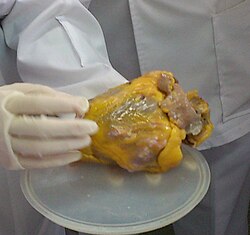
The development of CVD is often the result of a complex interaction between genetic predispositions and environmental influences.
Biological and Genetic Factors
Age, sex, and genetics play foundational roles in susceptibility. Certain somatic mutations and previous radiation therapy can also increase the risk of developing cardiovascular issues.
Lifestyle and Environmental Factors
- Dietary Habits: High intake of red meat, dairy products, and eggs, as well as overall poor diet quality.
- Substance Use: Tobacco smoke and excessive alcohol intake.
- Physical Health: Physical inactivity and lack of quality sleep.
- Environmental Exposures: Air pollution and occupational chemical exposures.
- Medical Conditions: Celiac disease and diabetes.
Psychosocial and Socioeconomic Factors
Psychological stress, anxiety, and socioeconomic disadvantage contribute significantly to heart health. A 2015 SBU-report highlighted specific non-chemical risks, including:
- Mentally stressful work characterized by a lack of control and an effort-reward imbalance.
- Night shift schedules or excessively long working weeks.
- Chronic exposure to noise.
Prevention and Management
Reducing the risk of cardiovascular disease involves a combination of lifestyle modifications and medical interventions.
Preventative Lifestyle Changes
The most effective prevention strategies include healthy eating, regular physical activity, and the avoidance of tobacco. Some research explores the role of intermittent fasting and dietary supplements in reducing risk.
Medical Management
For those at high risk or already diagnosed, management focuses on controlling comorbidities. This includes treating high blood pressure, managing high blood lipids, and controlling diabetes.
Pharmacological Treatments
Common medications used to manage CVD include:
- Aspirin: Often used for secondary prevention of coronary heart disease.
- Beta Blockers: Used to manage heart rate and blood pressure.
- Blood Thinners: Used to prevent clots and strokes.
| Category | Details |
|---|---|
| Primary Symptoms | Chest pain, shortness of breath, fatigue, loss of consciousness |
| Major Types | Coronary artery, Peripheral arterial, Cerebrovascular, Cardiomyopathy |
| Key Risk Factors | Tobacco, poor diet, inactivity, stress, air pollution, genetics |
| Prevention | Exercise, healthy diet, tobacco cessation, alcohol limitation |
| Common Medications | Aspirin, beta blockers, blood thinners |
Frequently Asked Questions
What are the most common symptoms of cardiovascular disease?
Common symptoms include chest pain, shortness of breath, fatigue, and loss of consciousness.
Who is most likely to develop cardiovascular disease?
While it can affect anyone, it is most commonly seen in older adults and those with specific risk factors such as genetic predispositions, tobacco use, and poor diet.
Can stress actually cause heart disease?
Yes, psychological stress, anxiety, and specific work-related stressors—such as high-demand jobs with low control—are associated with an increased risk of cardiovascular disease.
What lifestyle changes can help prevent CVD?
Prevention focuses on overall lifestyle changes, including healthy eating, regular exercise, avoiding tobacco smoke, and limiting alcohol intake.
What is the difference between coronary artery disease and cardiomyopathy?
Coronary artery disease involves the blood vessels that supply the heart, whereas cardiomyopathy refers to diseases of the heart muscle itself.