My Death, My Decision: Campaigning for Assisted Dying Reform in the UK
The debate surrounding end-of-life choices is one of the most profound ethical and legal challenges of the modern era. My Death, My Decision is a prominent campaign group dedicated to supporting the rights of individuals who wish to have assistance in ending their own lives. The organization lobbies Parliament to change current laws, seeking a safeguarded system of assisted dying for those who are either terminally ill or experiencing incurable suffering.
The group argues that there is a strong moral imperative to extend these options to adults facing permanent and unbearable suffering. To support this position, they point to existing legal frameworks in several other nations, including Belgium, Canada, Germany, Italy, Luxembourg, the Netherlands, and Switzerland.
Key Facts
- Public Support: A 2019 NatCen poll found up to 88% of the public favor assisted dying in some circumstances for the terminally ill or incurably suffering.
- Legal Challenges: The group supports high-profile test cases, including those brought by Omid T and Paul Lamb.
- Medical Advocacy: An Advisory Medical Group provides clinical guidance and advocates for patient autonomy.
- Policy Goals: Key objectives include reviewing the Suicide Act 1961 and challenging the "forfeiture rule" regarding inheritances.
- Collaborations: Co-founder of the Assisted Dying Coalition to unify like-minded campaign groups.
Campaigning for Legal Reform
My Death, My Decision employs a variety of strategies to shift the legal landscape in the UK. One of their primary goals is for the Government to establish an inquiry into the impact of the Suicide Act 1961 and to study the outcomes of jurisdictions where assisted dying is already legal.
The organization also advocates for the implementation of Statements of Settled Wishes. This proposed safeguard would allow individuals to pre-register their intention to seek an assisted death, ensuring their wishes are documented and clear.
Furthermore, the group challenges the forfeiture rule. This civil law can prevent individuals who compassionately assist someone in dying abroad from receiving an inheritance, even if no criminal charges were brought against them.
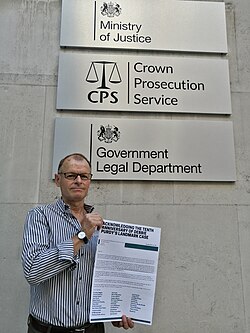
In July 2019, the organization coordinated an open letter to mark the tenth anniversary of Debbie Purdy's landmark legal case. Signed by 34 leading academics, politicians, religious leaders, and doctors, the letter urged the Secretary of State for Justice to review assisted dying laws. While a call for evidence was initially approved, the inquiry was later reversed following the resignation of David Gauke.
Legal Test Cases and Precedents
To challenge the ban on assisted dying, the organization consistently supports right-to-die test cases. In 2018, they supported Omid T, who suffered from multiple systems atrophy, in a legal appeal that sought to bring international evidence of assisted dying before the courts.
Following Omid T's death abroad in 2019, the group championed the successor case of Phil Newby, helping to raise over £48,000 to challenge the legality of the current ban. They also supported their patron, Paul Lamb—who was paralyzed from the neck down—in bringing a fresh case. This followed a 2014 Supreme Court ruling that suggested a potential declaration of incompatibility between the Human Rights Act and restrictions on the right to die if Parliament failed to legislate.
The Advisory Medical Group
Recognizing the need for clinical expertise, the organization established an Advisory Medical Group. This group was formed following a letter to the British Medical Journal by Dr. Henry Marsh, Professor Wendy Savage, and Sir Iain Chalmers. They argued against restricting assisted dying only to those with six months or less to live, advocating instead for those with incurable and intolerable suffering.
The group focuses on patient autonomy—the right of patients to make their own healthcare decisions—and the removal of barriers that prevent open discussions between doctors and patients regarding end-of-life options.
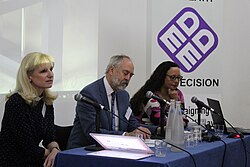
A significant victory for the group occurred in 2019, when they secured a commitment from the General Medical Council. The GMC agreed that doctors should not feel compelled to breach patient confidentiality by informing the police if a patient expresses an intention to travel abroad for an assisted death.
Additionally, during the 2020 coronavirus pandemic, the group published guidance in the British Medical Journal urging medical professionals to respect the end-of-life wishes of their patients.
Education and Public Discourse
Since 2010, My Death, My Decision has hosted an annual lecture featuring international experts in philosophy, law, and medicine. Notable past speakers include Baroness Mary Warnock, Professor A.C. Grayling, and Silvan Luley, the Director of Dignitas.
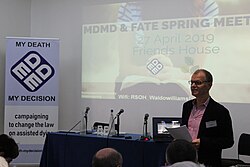
In 2020, the organization launched The Doran Lecture in memory of the late MP Frank Doran. The inaugural lecture was delivered by Dr. Stefanie Green, President of the Canadian Association of MAiD Assessors and Providers (CAMAP) and a leading expert on assisted dying in Canada.
Summary of Organizational Impact
| Area of Focus | Key Action/Achievement | Objective |
|---|---|---|
| Public Opinion | 2019 NatCen Poll | Demonstrate broad public support (up to 88%) |
| Legal Strategy | Support for Omid T, Phil Newby, and Paul Lamb | Challenge the legality of the assisted dying ban |
| Medical Ethics | GMC Commitment (2019) | Protect patient-doctor confidentiality regarding travel for death |
| Coalition Building | Assisted Dying Coalition | Unify campaign groups for legislative change |
| Education | Annual and Doran Lectures | Provide expert international perspectives on reform |
Frequently Asked Questions
What is the primary goal of My Death, My Decision?
The organization seeks to change the law to allow a safeguarded option of assisted dying for adults who are either terminally ill or experiencing incurable and unbearable suffering.
What is the "forfeiture rule" mentioned in their campaigns?
The forfeiture rule is a civil law that can prevent people who assist someone in dying abroad from inheriting assets from that person, even if the assistant was not charged with a crime.
How does the organization view the role of doctors in assisted dying?
Through its Advisory Medical Group, the organization advocates for patient autonomy and believes doctors should be able to discuss all end-of-life options openly with their patients without fear of breaching professional codes.
Which countries does the group cite as evidence for legal assisted dying?
The organization points to the legal frameworks already in place in Belgium, Canada, Germany, Italy, Luxembourg, the Netherlands, and Switzerland.
What are Statements of Settled Wishes?
These are proposed safeguards that would allow an individual to pre-register their intention to have an assisted death, ensuring their wishes are legally recognized.