Museo Egizio di Torino: A Journey Through Ancient Egyptian History
Located in the heart of Turin, Italy, the Museo Egizio stands as a premier destination for anyone fascinated by the mysteries of the Nile. As the world's oldest museum dedicated entirely to ancient Egyptian culture, it holds a prestigious position in the global archaeological community. With a collection exceeding 40,000 artifacts, it is recognized as the second most significant Egyptological collection in the world, surpassed only by the Egyptian Museum of Cairo.
Founded in 1824 by King Charles Felix, the museum offers an unparalleled look into the life, death, and spirituality of ancient Egyptians, spanning from the Paleolithic era through to the Coptic period.
Key Facts
- Established: 1824 (the world's oldest museum dedicated to ancient Egypt).
- Collection Size: Over 40,000 artifacts.
- Global Standing: Second largest Egyptian collection in the world.
- Location: Via Accademia delle Scienze, 6, Turin, Italy.
- Annual Visitors: 1,036,689 (as of 2024).
The History of the Collection
The museum's journey began long before its official founding. The first Egyptian-style object to arrive in Turin was the Mensa Isiaca in 1630, an altar table likely created for a temple to the goddess Isis in Rome. This sparked a growing interest in the region, leading King Charles Emmanuel III to commission botanist Vitaliano Donati to acquire items from Egypt in 1753. Donati's return with 300 pieces from Karnak and Coptos formed the original nucleus of the collection.
A major turning point occurred in 1824 when King Charles Felix acquired the massive Drovetti collection. This acquisition included 5,268 pieces, such as 100 statues and 170 papyri. This specific collection played a vital role in the history of linguistics; Jean-François Champollion utilized the museum's extensive papyri to test his groundbreaking work in deciphering hieroglyphics—the formal writing system used in ancient Egypt.
Expansion and Modernization
Over the decades, the museum grew through significant additions, including the Piedmontese collection of Giuseppe Sossio and the extensive finds of Egyptologist Ernesto Schiaparelli between 1900 and 1920. One of the most notable recent additions was the Temple of Ellesyia, gifted to Italy by the Egyptian government during the 1960s Nubian monument salvage campaign.
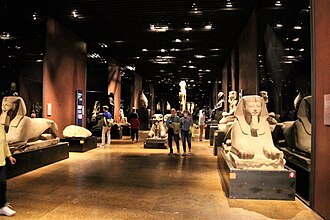
The museum's physical home in Via Accademia delle Scienze 6 has remained constant, though it underwent a spectacular remodeling for the 2006 Winter Olympics. Designed by Dante Ferretti, the redesign utilized lighting and mirrors to enhance the display of impressive Pharaonic statues. In 2015, the museum opened a completely new layout to improve the visitor experience.
Remarkable Artifacts and Collections
The museum's vast inventory includes treasures that provide deep insight into ancient social structures and religious practices. Notable highlights include:
- Assemblea dei Re (Kings Assembly): A collection of statues representing the kings of the New Kingdom.
- The Turin King List: Also known as the Turin Royal Canon, a vital historical document.
- The Book of the Dead: The museum holds three versions, including the most ancient copy known.
- The Tomb of Kha and Merit (TT8): An intact tomb discovered by Schiaparelli in 1906.
- The Bembine Tablet: A significant ancient artifact.
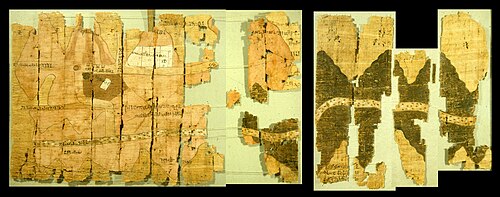
The papyrus collection is particularly renowned, housing items such as the Turin Erotic Papyrus and the Judicial Papyrus of Turin, which offer glimpses into the daily lives and legal systems of the era.
Summary of Museum Information
| Category | Details |
|---|---|
| Founder | Charles Felix of Sardinia |
| Current Director | Christian Greco |
| Primary Focus | Egyptian archaeology and anthropology |
| Key Era Covered | Paleolithic to Coptic era |
| International Projects | Multaka network (intercultural museum project) |
Social Impact: The Multaka Network
Beyond its role as a repository of history, the museum participates in the Multaka network. Established in 2019, this international project connects museums in Germany, the UK, Greece, and Switzerland. The network provides free guided tours for refugees and migrants, led by Arabic-speaking guides. These discussions focus on the history of cultural acquisition and allow visitors to engage with their own country's heritage through a historical lens.
Frequently Asked Questions
How big is the collection at the Museo Egizio?
The museum houses more than 40,000 artifacts, making it one of the most significant collections of Egyptian antiquities in the world.
Why is the museum important to the history of language?
The museum's extensive collection of papyri was used by Jean-François Champollion to help decipher Egyptian hieroglyphics.
What is the significance of the Temple of Ellesyia?
The temple was donated to Italy by the Egyptian government as part of the international effort to save monuments in Nubia during the 1960s.
Is the museum the oldest of its kind?
Yes, founded in 1824, it is the world's oldest museum dedicated entirely to ancient Egyptian culture.
What is the Multaka network?
It is an international intercultural project that offers free, guided tours for refugees and migrants to discuss cultural heritage and the history of museum collections.