Motacillidae: The World of Wagtails, Longclaws, and Pipits
The family Motacillidae comprises a diverse group of small passerine birds—perching birds characterized by their song and specialized feet—known commonly as wagtails, longclaws, and pipits. With approximately 70 species distributed across five primary genera, these birds are recognized by their slender builds and medium to long tails.
While they share a family lineage, their distributions vary significantly. Longclaws are found exclusively in the Afrotropics, while wagtails are predominantly located in Europe, Africa, and Asia, with a few species breeding as far north as Alaska. Pipits are the most cosmopolitan of the group, inhabiting the Old World, the Americas, and remote oceanic islands including the Falklands and New Zealand.
Key Facts
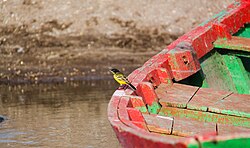
- Family: Motacillidae, consisting of roughly 70 species.
- Diet: Primarily insectivorous, feeding on invertebrates like spiders, worms, and molluscs.
- Distribution: Global, with longclaws restricted to Africa and pipits being the most widespread.
- Physical Traits: Slender bodies, long pale legs, and tails of medium to long length.
- Nesting: Most species nest on the ground, laying up to six speckled eggs.
Physical Characteristics and Appearance
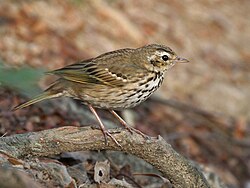
Members of the Motacillidae family typically range from 14 to 17 cm in length. They are characterized by short necks and long, pale legs with elongated toes and claws. In some longclaw species, the hind toe can reach up to 4 cm in length. Notably, there is no sexual dimorphism in size within the family.
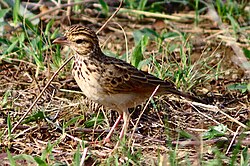
Weight and plumage vary by group. Longclaws are the most robust, with Fülleborn's longclaw weighing up to 64 g. In contrast, pipits and wagtails are lighter, ranging from 15 to 31 g, with the yellowish pipit being among the smallest. Plumage also differs: pipits are generally dull brown (similar to larks), though the golden pipit is a bright exception. Longclaw males often feature brightly colored undersides, while wagtails are known for striking patterns of grey, black, white, and yellow.
Habitat and Diet
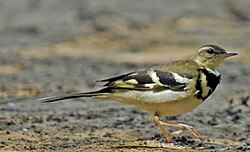
Most motacillids are ground-feeding insectivores that thrive in slightly open country. Their versatility allows them to occupy nearly every available habitat, from coastal shores to high-altitude mountains. Wagtails generally prefer wetter environments than pipits. While most avoid dense cover, the forest wagtail utilizes forests, and species like the mountain and grey wagtails frequent forested mountain streams.
Their diet is broad and opportunistic, consisting mainly of insects, but also including spiders, worms, and small aquatic arthropods and molluscs. The specific prey consumed usually depends on what is locally available in their environment.
Taxonomy and Phylogeny
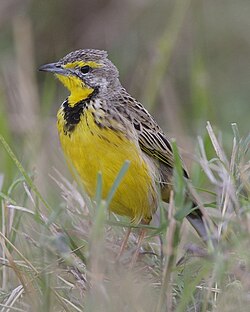
The family is divided into several genera, including Anthus (pipits), Motacilla (typical wagtails), Macronyx (longclaws), Dendronanthus (forest wagtails), and Tmetothylacus. Some researchers place the yellow-breasted pipit and Sharpe's longclaw into a separate seventh genus, Hemimacronyx.
A 2019 molecular phylogenetic study of 56 species revealed that the family is organized into six major clades. The study found that the genus Anthus is paraphyletic—meaning it does not include all descendants of a common ancestor—relative to the longclaws (Macronyx). Specifically, the African rock pipit and striped pipit were found to be nested within the Macronyx genus.
Summary of Motacillidae Genera
| Genus | Common Name | Primary Distribution | Distinguishing Feature |
|---|---|---|---|
| Motacilla | Typical Wagtails | Europe, Africa, Asia | Striking grey, black, white, and yellow plumage |
| Anthus | Typical Pipits | Cosmopolitan (Old & New World) | Generally dull brown, lark-like plumage |
| Macronyx | Longclaws | Afrotropics | Robust build, bright undersides in males |
| Dendronanthus | Forest Wagtail | Asia | Forest-dwelling; nests in trees/shrubs |
| Tmetothylacus | Golden Pipit | North-east Africa | Brighter plumage than typical pipits |
Frequently Asked Questions
What is the main difference between wagtails and pipits?
Wagtails generally have more striking plumage (often including yellow, black, and white) and prefer wetter habitats, whereas pipits typically have duller, brown plumage and occupy drier, open country.
Where are longclaws found?
Longclaws are entirely restricted to the Afrotropics (sub-Saharan Africa).
Do all Motacillidae species nest on the ground?
Almost all species nest on the ground, with the forest wagtail being the notable exception.
What do these birds eat?
They are primarily insectivores, eating a wide variety of invertebrates including insects, spiders, worms, and small aquatic molluscs.
How large are these birds?
They generally range from 14 to 17 cm in length. Longclaws are the heaviest, reaching up to 64 g, while pipits and wagtails typically weigh between 15 and 31 g.