Mosaic Art: A Comprehensive History of Stone and Glass Artistry
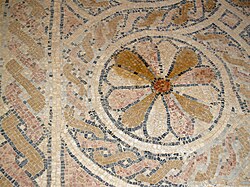
A mosaic is a decorative pattern or image created by assembling small, regular or irregular pieces of colored stone, glass, or ceramic. These pieces are held in place by plaster or mortar to cover a surface. While we often associate mosaics with grand ancient floors and walls, the medium has evolved into a diverse practice encompassing fine art, hobby crafts, and modern industrial construction.
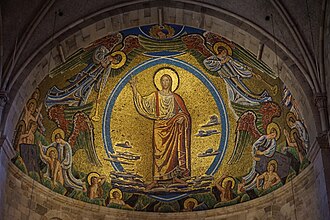
The history of mosaic art is a global journey, beginning in Mesopotamia during the 3rd millennium BC. From the pebble mosaics of Mycenean Greece to the opulent gold-leafed walls of the Byzantine Empire, this art form has served as a powerful tool for storytelling, religious devotion, and architectural luxury.
Key Facts
- Origins: Started in Mesopotamia in the 3rd millennium BC.
- Materials: Traditionally made from colored stone, glass, and ceramic.
- Peak Eras: Flourished in Ancient Rome and the Byzantine Empire (6th–15th centuries).
- Religious Influence: Used extensively in Early Christian basilicas, Jewish synagogues, and Islamic mosques.
- Modern Use: Now includes street art, digital imaging, and robotic manufacturing.
The Classical Era: Greece and Rome
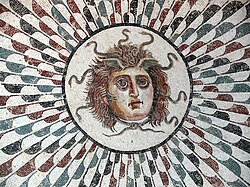
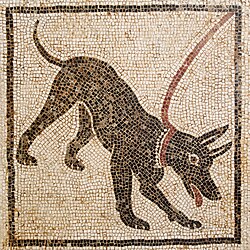
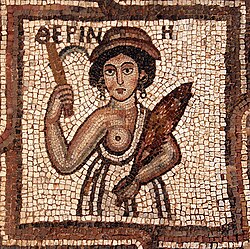
In classical times, mosaics became widespread across Ancient Greece and Rome. Early examples include pebble mosaics in Tiryns and sophisticated narrative scenes in Macedonia. The Romans elevated the craft, using it for both luxury villas and public spaces. Popular motifs included the "Cave canem" (Beware of the dog) warnings at thresholds and complex mythological scenes.
Regional Roman Influence
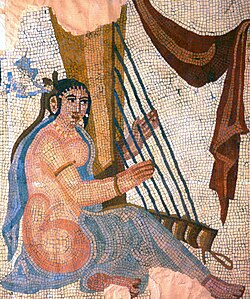
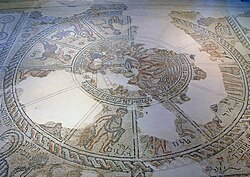
Roman mosaic influence extended across the empire, from the Villa Romana La Olmeda in Spain to the Great Pavement in Woodchester, England. These works often depicted gladiators, nature, and mythology, serving as durable and opulent flooring.
The Rise of Christian and Byzantine Mosaics
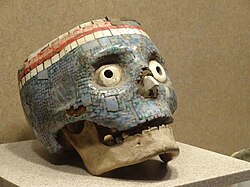
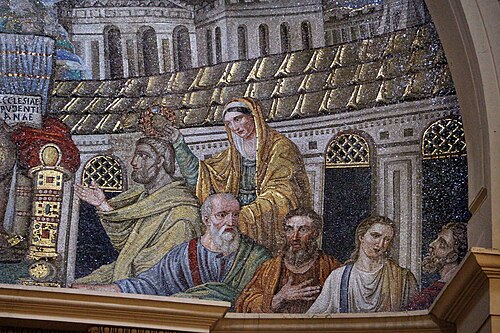
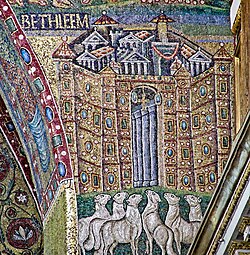
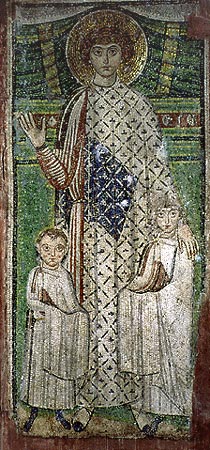
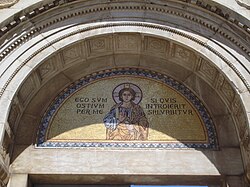
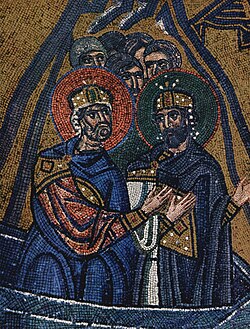
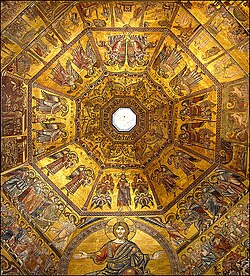
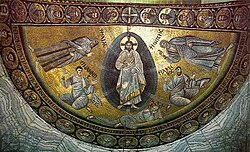
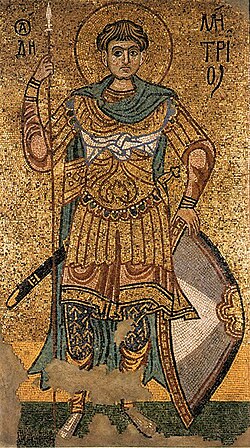
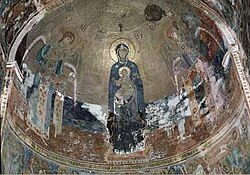
From the 4th century onward, Early Christian basilicas began utilizing wall and ceiling mosaics to convey spiritual narratives. This tradition reached its zenith in the Byzantine Empire between the 6th and 15th centuries.
The Center of Art: Ravenna
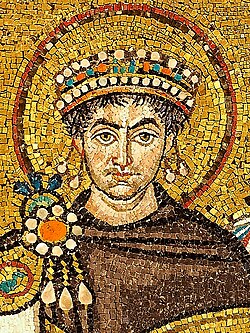
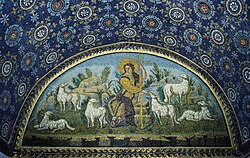
Ravenna, the capital of the Western Roman Empire, became a pivotal center for late Roman and Byzantine art. The Mausoleum of Galla Placidia (425–430 AD) is renowned for its starry blue backgrounds and golden crosses. Later, the Basilica of San Vitale showcased the power of the Eastern Roman Empire through detailed portraits of Emperor Justinian I and Empress Theodora.
The Splendor of Constantinople
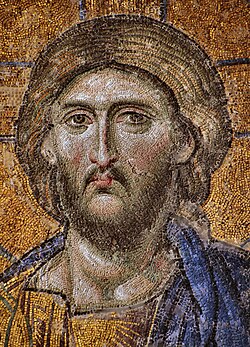
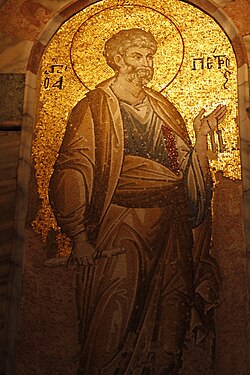
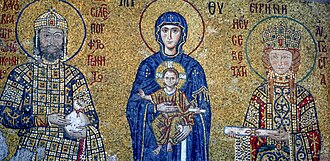
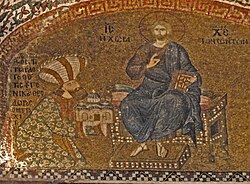
The Hagia Sophia in Constantinople (modern Istanbul) represents the pinnacle of Byzantine achievement. Despite periods of Iconoclasm—a movement that condemned figural images as idolatry and replaced them with simple crosses—the church eventually regained its figural splendor. Notable works include the Deesis mosaic of Christ Pantocrator and depictions of Emperor John II Komnenos.
Mosaics Across the Mediterranean and Beyond
The Byzantine style influenced various cultures and regions, blending with local traditions to create unique artistic hybrids.
Sicily and Venice
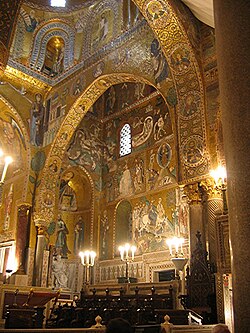
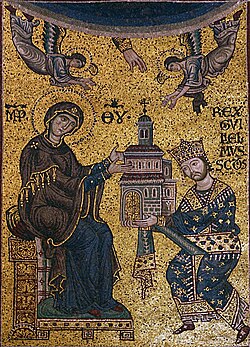
In the 12th century, the Norman Kingdom of Sicily adopted Byzantine techniques, as seen in the Cappella Palatina, which blends Greek inscriptions and Byzantine Pantokrator images with Latin narrative scenes. Similarly, Venice's St Mark's Basilica is almost entirely clad in golden mosaics, some based on the Cotton Genesis manuscript.
The Christian East and Jewish Traditions
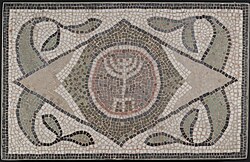
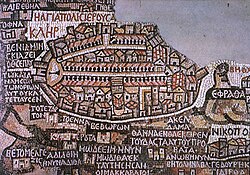
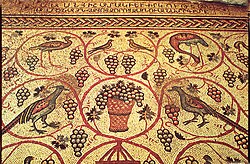
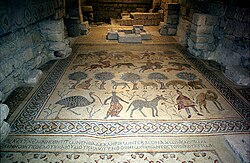
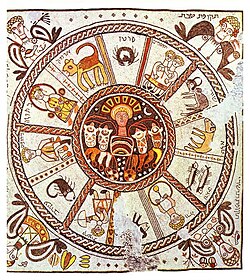
In the Levant, the 6th-century baptistery on Mount Nebo features rich flora and fauna. Meanwhile, Jewish artists decorated 5th and 6th-century synagogues with floor mosaics, such as the Shalom Al Yisrael Synagogue in Jericho, which depicted the Menorah and the Ark of the Covenant.
Islamic Artistry
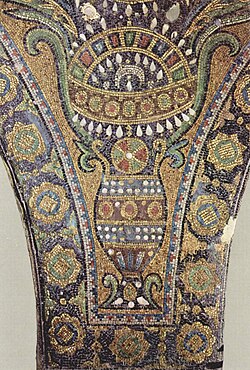
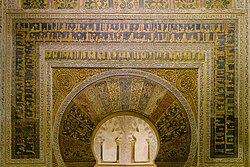
Islamic mosaics emerged with a focus on geometric and floral patterns. The Dome of the Rock (c. 690) and the Great Mosque of Cordoba (965–970) showcase the sophisticated use of mosaics in the Umayyad and subsequent Caliphates.
Western Europe and the Middle Ages
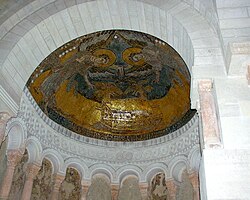
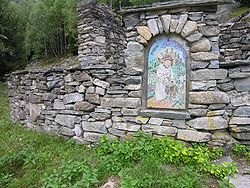
Beyond the Alps, mosaic art was less common but still present. Charlemagne commissioned mosaics for the Palatine Chapel in Aachen, and the oratory of Germigny-des-Prés remains a rare surviving example of Carolingian mosaic art from the 9th century.
Modern Evolution of the Craft
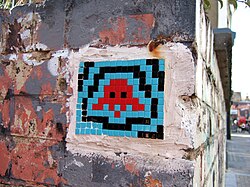
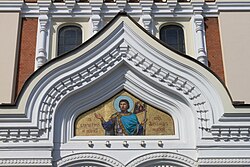
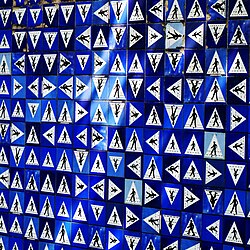
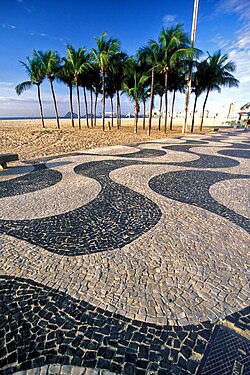
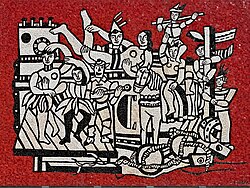
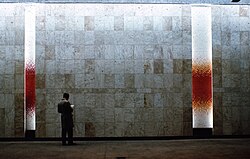
While mosaics fell out of fashion during the Renaissance, they have seen a resurgence in modern times. Today, the medium ranges from the Calçada Portuguesa (traditional Portuguese pavement) to contemporary street art by artists like Invader. Modern technology has also introduced robotic manufacturing and digital imaging to the creation of mosaic patterns.
| Era/Culture | Primary Locations | Key Characteristics |
|---|---|---|
| Ancient Roman | Italy, Spain, England, Tunisia | Floor pavements, mythological scenes, "Cave canem" motifs. |
| Byzantine | Constantinople, Ravenna, Greece | Gold backgrounds, religious icons, Pantokrator images. |
| Islamic | Palestine, Syria, Spain | Geometric patterns, floral motifs, aniconic designs. |
| Medieval Western | Germany, France, Italy | Church façades, Carolingian oratories, Venetian gold. |
| Modern | Global | Street art, industrial ceramics, digital/robotic design. |
Frequently Asked Questions
![Qubbat al-Khazna built by the Abbasid governor, Fadl ibn Salih, in 789,[26] in the Umayyad Mosque](/images/83/f1/83f12098df40c8a8184440d7fd0782dad828ce291c421415cea6d6e5bc301d13.jpg)
What is the difference between the direct and indirect mosaic methods?
The direct method involves placing tesserae directly into the final adhesive on the surface. The indirect method involves gluing pieces face-down onto a temporary pattern or paper, which is then transferred to the permanent surface and grouted.
What is a tessera?
A tessera is the individual small piece of stone, glass, or ceramic used to create a mosaic image.
Why did some Byzantine mosaics disappear or change?
During the Iconoclastic era, many figural mosaics were destroyed or covered because they were viewed as idolatry. They were often replaced by simple crosses before being restored to figural images later.
Where can I find the most famous Byzantine mosaics today?
The most prominent examples are located in the Hagia Sophia in Istanbul, the basilicas of Ravenna (such as San Vitale), and St Mark's Basilica in Venice.
How are mosaics used in modern art?
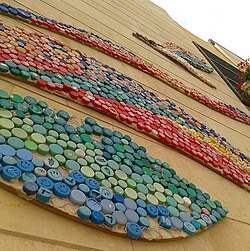
Modern mosaics appear in public street art, architectural installations using recycled materials (like bottle caps), and high-art ceramic works, as well as in digital "pixel art" which mimics the mosaic structure.