Exploring the Kingdom of Morocco: A Journey Through History, Culture, and Landscape
Located in the northwest corner of Africa, the Kingdom of Morocco serves as a vibrant bridge between Africa, Europe, and the Middle East. Known in Arabic as al-Maghrib—meaning "the place where the sun sets" or "the west"—this nation boasts a rich tapestry of ancient civilizations, diverse landscapes, and a deep-rooted cultural heritage that continues to evolve in the modern era.
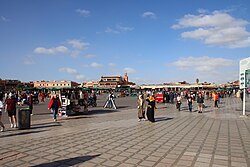
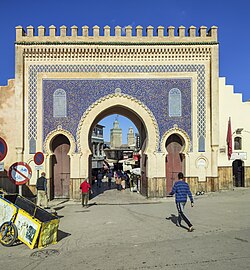
From the snow-capped peaks of the Atlas Mountains to the sweeping dunes of the Sahara, Morocco offers a sensory experience unlike any other. Whether exploring the bustling medinas of Fes and Marrakesh or navigating the high-tech corridors of Casablanca, visitors and residents alike encounter a unique blend of tradition and progress.
Key Facts
- Capital: Rabat
- Largest City: Casablanca
- Official Languages: Arabic and Tamazight
- Government Type: Unitary parliamentary semi-constitutional monarchy
- Current Monarch: King Mohammed VI
- Currency: Moroccan dirham (MAD)
- Total Area: 446,550 km²
A Legacy Written in Stone and Sand
Prehistory and Antiquity
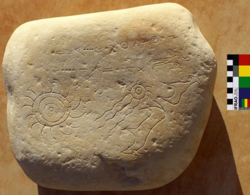
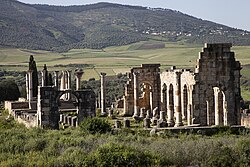
Morocco's history stretches back to prehistoric times, evidenced by ancient petroglyphs and archaeological sites. During antiquity, the region was influenced by various Mediterranean powers. The Roman Empire left a significant mark, with the ruins of Volubilis serving as a testament to its former presence in the area.
The Rise of Great Dynasties
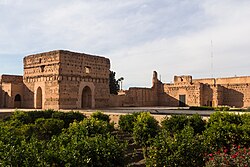
The foundation of the modern Moroccan state is closely tied to a succession of powerful dynasties. The Idrisid Dynasty, established in 788, played a pivotal role in the nation's early Islamic history. Following them, several other influential empires shaped the territory, including:
- The Almoravid Dynasty (1040)
- The Almohad Dynasty (1121)
- The Marinid Dynasty (1244)
- The Saadi Dynasty (1510)
- The Alawi Dynasty (1631–Present)
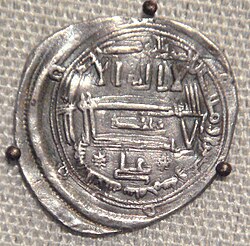
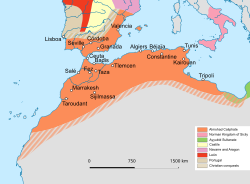
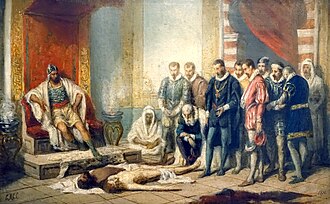
The Almohad Empire, at its height around 1212, represented a period of significant territorial expansion. Later, the Saadi Dynasty saw moments of intense conflict and triumph, such as the Battle of Alcácer Quibir, which had profound implications for regional power dynamics involving Portugal.
The Protectorate and Independence
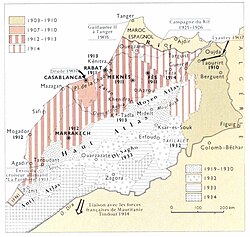
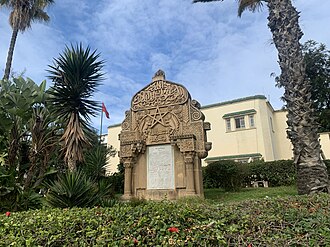
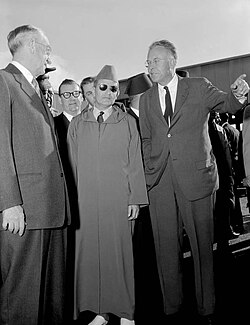
In the early 20th century, Morocco entered a period of European influence under the Treaty of Fez in 1912, which established French and Spanish protectorates. This era of colonial rule lasted until 1956, when Morocco successfully regained its independence. The mid-20th century was a transformative period, marked by the struggle for sovereignty and the eventual establishment of the modern constitutional monarchy.
Geography and Natural Wonders
![The Treaty of Wad Ras after the Hispano-Moroccan War (1859–1860) bankrupted Morocco's national treasury, forcing the Makhzen to take on a British loan.[69]](/images/fc/16/fc160338fded6177aa4edbbe1433c20df245f649d78b9b911f93928b80a85324.jpg)
Diverse Climates and Landscapes
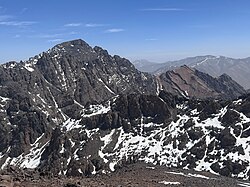
Morocco's geography is incredibly varied, characterized by several distinct Köppen climate types. The landscape transitions from the rugged Atlas Mountains to the arid expanses of the Sahara Desert.
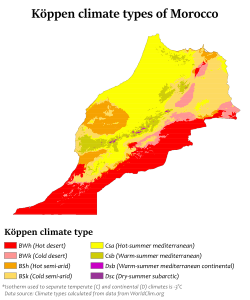
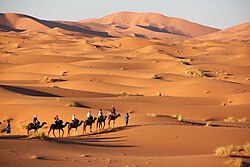
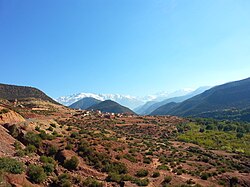
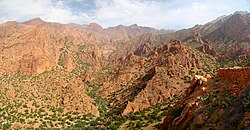
Flora and Fauna
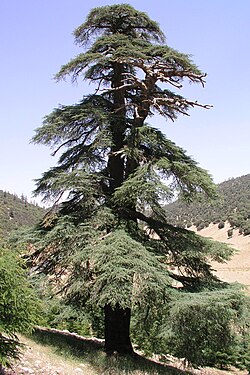
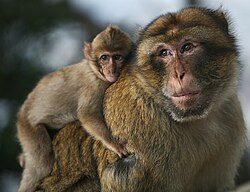
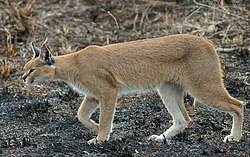
The country's varied ecosystems support a unique range of wildlife. Notable species include the Barbary macaque, a primate known for unique social behaviors, and the elusive Caracal.
Culture, Language, and Society
![Tangier's population in 1956 included 40,000 Muslims, 31,000 Europeans and 15,000 Jews.[71]](/images/c3/a8/c3a887e4ff97f228194bc0aa031c0b615b56f0f55a02abd4b50420ee587dacc4.jpg)
A Multilingual Nation
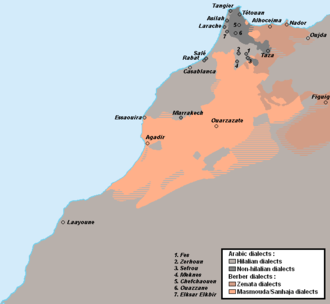
Moroccan identity is deeply rooted in its linguistic diversity. While Arabic and Tamazight (Berber) are the official languages, many citizens also speak various Berber languages such as Tashelhit, Tamazight, and Tarifit. French remains widely used in administration and business, while English is increasingly common among the younger population.
Religion and Traditions
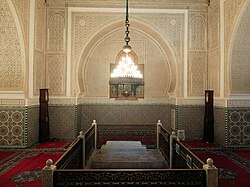
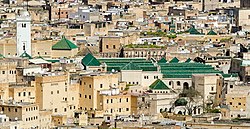
Islam is the official religion, with the vast majority of the population practicing Sunni Islam. This spiritual foundation is reflected in the country's architecture, such as the historic al-Qarawiyyin in Fes, which has served as a major intellectual and spiritual center since the 9th century.
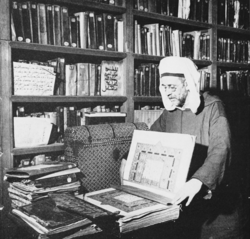
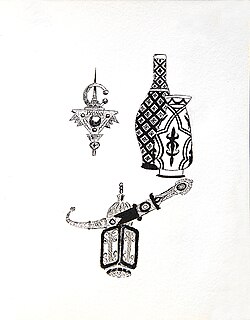
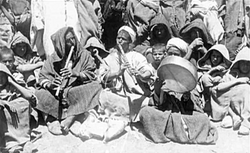
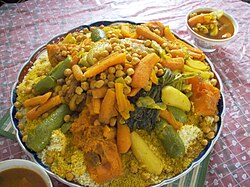
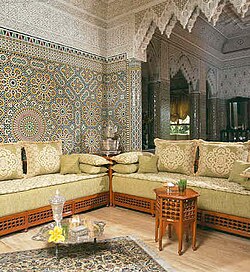
Moroccan culture is also expressed through its vibrant music, traditional crafts, and world-renowned cuisine, including staples like couscous.
Modern Infrastructure and Economy
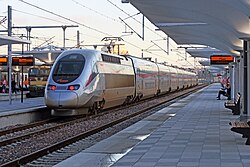
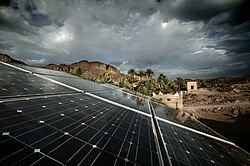
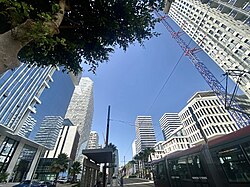
Morocco is making significant strides in modernization. From the high-speed Al Boraq train to massive solar energy projects, the nation is investing heavily in its future. Cities like Casablanca are emerging as major financial hubs, supported by developments like Casablanca Finance City.
Summary of Morocco at a Glance
| Category | Details |
|---|---|
| Population (2024) | 36,828,330 |
| Official Languages | Arabic, Tamazight |
| GDP (Nominal, 2025 Est.) | $165.840 billion |
| HDI (2023) | 0.710 (High) |
| Major Religions | Islam (99.68%) |
Frequently Asked Questions
What is the official language of Morocco?
The official languages of Morocco are Arabic and Tamazight. Additionally, French is widely used in professional and administrative contexts.
Who is the current King of Morocco?
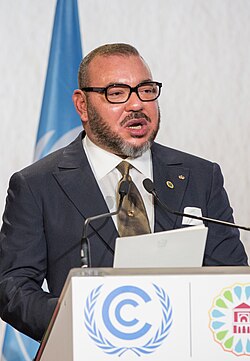
The current monarch is King Mohammed VI, who leads the country as part of a unitary parliamentary semi-constitutional monarchy.
What are the main administrative divisions of Morocco?
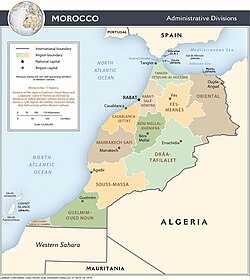
Morocco is divided into several administrative regions, including Tanger-Tétouan-Al Hoceima, Oriental, Fès-Meknès, Rabat-Salé-Kénitra, Béni Mellal-Khénifra, Casablanca-Settat, Marrakesh-Safi, Drâa-Tafilalet, and Souss-Massa.
What is the status of Western Sahara?
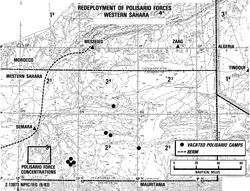
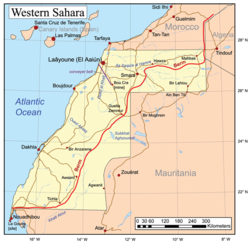
Western Sahara is a territory claimed by Morocco. While Morocco has annexed the territory, the status remains a subject of international discussion, with the Polisario Front controlling areas east of the Moroccan berm.
What is the highest point in Morocco?
The highest peak in Morocco (and Northern Africa) is Toubkal, which reaches an elevation of 4,167 meters (13,671 feet).