Understanding Monkeys: Evolution, Diversity, and Human Connection
Monkeys are a diverse group of primates that have captivated human imagination for millennia. From the tiny, delicate pygmy marmoset to the large and powerful mandrill, these animals play vital roles in their ecosystems and have left an indelible mark on human culture, science, and history.
Tracing their lineage back to the Late Eocene epoch, monkeys belong to the order Primates. While the terms "monkey" and "ape" are often used interchangeably in casual conversation, they represent distinct biological groups. In scientific terms, monkeys are part of the suborder Haplorhini (dry-nosed primates), a group that diverged from tarsiers approximately 70 million years ago.
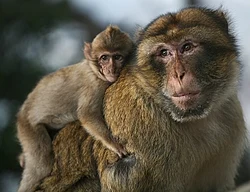
Key Facts
- Temporal Range: Monkeys have existed from the Late Eocene to the present day.
- Size Extremes: They range from the 100g pygmy marmoset to the 36kg male mandrill.
- Dietary Variety: Species consume fruit, leaves, seeds, nuts, flowers, eggs, and small animals.
- Classification: They are divided into New World monkeys (Platyrrhini) and Old World monkeys (Catarrhini).
- Space Exploration: Monkeys have been used in space programs by countries including the US and France.
Biological Classification and Diversity
The classification of monkeys is complex, reflecting millions of years of evolutionary branching. Primatologists generally divide them into two major parvorders based on their geographic origins and anatomical traits.
New World Monkeys (Platyrrhini)
Found in the Americas, these primates include several distinct families:
- Callitrichidae: Includes marmosets and tamarins.
- Cebidae: Includes capuchins and squirrel monkeys.
- Aotidae: Includes night monkeys.
- Pitheciidae: Includes titis, sakis, and uakaris.
- Atelidae: Includes howler, spider, and woolly monkeys.
Old World Monkeys (Catarrhini)
These monkeys, part of the superfamily Cercopithecoidea, are found in Africa and Asia. The primary family is Cercopithecidae, which contains approximately 135 species. It is important to note that while apes (such as humans, gorillas, and chimpanzees) are closely related to monkeys, they belong to the superfamily Hominoidea and are traditionally classified separately.
| Feature | New World Monkeys (Platyrrhini) | Old World Monkeys (Catarrhini) |
|---|---|---|
| Primary Location | The Americas | Africa and Asia |
| Key Families | Atelidae, Cebidae, Callitrichidae | Cercopithecidae |
| Example Species | Spider monkey, Marmoset | Rhesus macaque, Mandrill |
Physical Characteristics and Habitat
Monkeys exhibit incredible morphological diversity. Their habitats vary widely, ranging from dense tropical rainforests where many are arboreal (tree-dwelling) to open savannas. Their diets are equally varied, consisting of plant matter like seeds and flowers, as well as animal protein such as insects and spiders.

Monkeys in Science and Space Exploration
Throughout history, monkeys have played a significant role in scientific advancement. In medical research, species such as the grivet, rhesus macaque, and crab-eating macaque are frequently used. These species are chosen due to their physical and psychological similarities to humans, as well as their relatively fast reproductive cycles compared to apes.
Beyond terrestrial research, monkeys have been pioneers in space exploration. The first monkey in space, Albert II, flew on a US-launched V-2 rocket on June 14, 1949. Later, NASA utilized monkeys for high-altitude research, such as Sam, a rhesus macaque who reached a height of 88,500 meters in 1959.

Cultural and Historical Significance
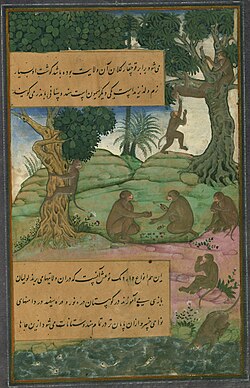
Monkeys appear frequently in human art, literature, and religion. In some cultures, they hold sacred status, such as the depictions of monkeys in Indian manuscripts or as symbols in religious iconography.

In modern pop culture, monkeys are iconic characters, such as the "winged monkeys" in L. Frank Baum's The Wizard of Oz. However, the relationship between humans and monkeys in tourist areas can be complex, with signs often warning visitors against feeding them to prevent behavioral issues.

Frequently Asked Questions
What is the difference between a monkey and an ape?
While the terms are often used interchangeably in common speech, biologically, apes (Hominoidea) are a different group from monkeys. Apes generally lack tails, whereas most monkeys do.
Are all monkeys arboreal?
No. While many species are arboreal, meaning they live primarily in trees, some species have adapted to live on the savanna.
Why are monkeys used in scientific research?
Monkeys like the rhesus macaque are used because they share significant psychological and physical similarities with humans and have faster reproductive cycles than apes.
What are New World monkeys?
New World monkeys are primates belonging to the parvorder Platyrrhini, native to the Americas. They include families such as marmosets, tamarins, and spider monkeys.
How small can a monkey be?
The pygmy marmoset is one of the smallest primates, weighing just over 100 grams and measuring approximately 117 mm in length (excluding the tail).