Mongolians: History, Culture, and Global Distribution
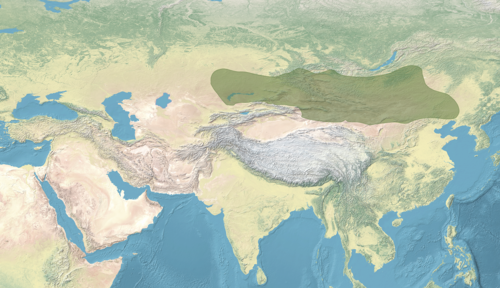
The Mongolians are a Mongolic-speaking people with a legacy that spans from the vast steppes of Central Asia to the creation of the largest contiguous land empire in history. Today, they maintain a distinct cultural identity characterized by a deep connection to their nomadic roots, a complex linguistic heritage, and a presence that extends across Mongolia, China, and Russia.
From the early Proto-Mongol states to the modern era, the history of the Mongol people is one of unification, expansion, and resilience. Their journey reflects a constant interplay between nomadic independence and the influence of surrounding imperial powers.
Key Facts
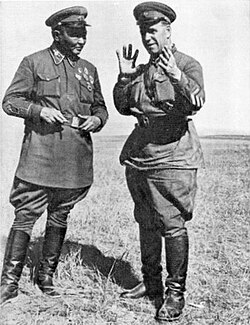
![Analysis of DNA extracted from the remains of Avars found in Hungary has provided evidence that they originated in what is now Mongolia.[48]](/images/89/f4/89f4e44969f5c5923461de9c2357c2da491e566844867d5f54abbd02948697bf.png)
- Total Population: Approximately 10 million people worldwide.
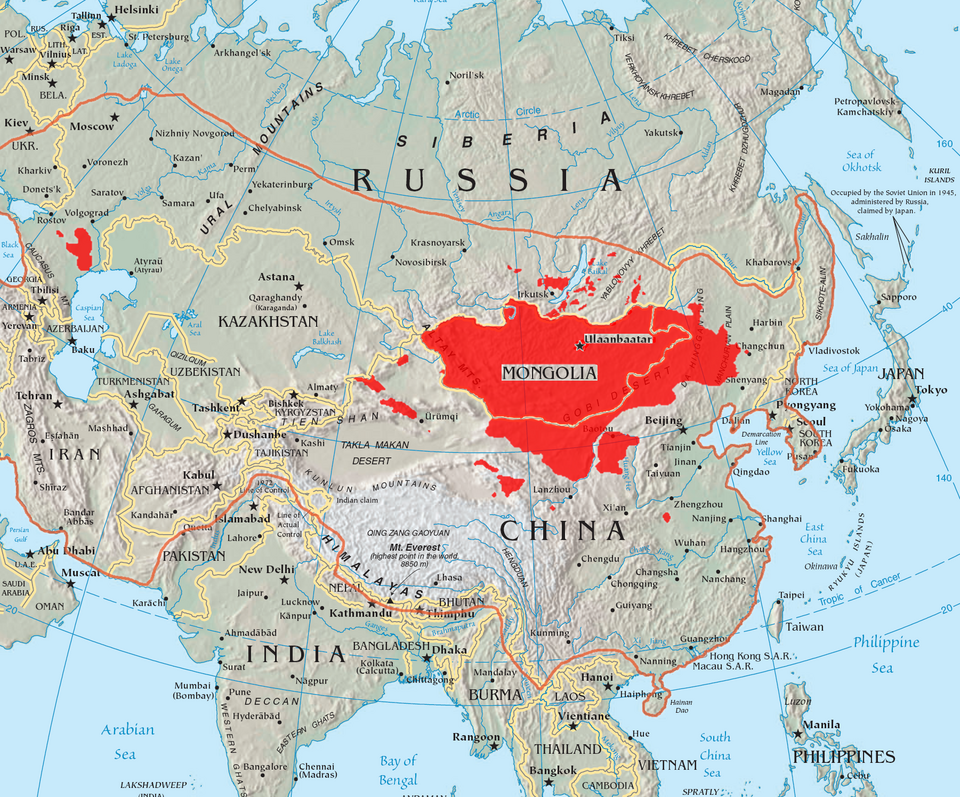
- Primary Regions: China (approx. 6.3 million), Mongolia (approx. 3 million), and Russia (approx. 651,000).
- Major Subgroups: Khalkha, Oirats (including Kalmyks), and Buryats.
- Languages: Mongolian and other Mongolic languages.
- Historical Legacy: Founders of the Mongol Empire and various subsequent Turco-Mongol states.
Historical Evolution
The Mongol Empire and Northern Yuan
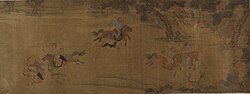
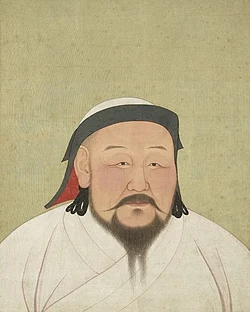
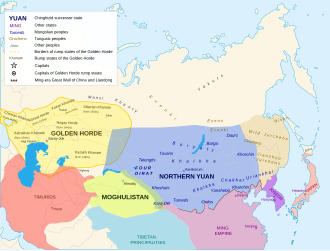
The rise of the Mongol Empire marked a turning point in global history, unifying various tribes under a single authority. Following the fragmentation of the empire, the Northern Yuan period saw the emergence of the Khalkha during the reign of Dayan Khan (1479–1543). The Khalkha became the dominant clan in Mongolia proper, eventually reunifying the Mongols under the rule of Zasagt Khan (1558–1592).
Conflict and the Qing Dynasty
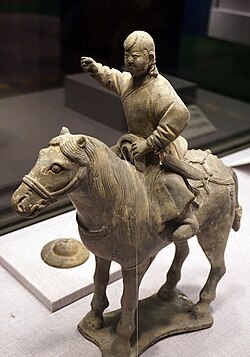
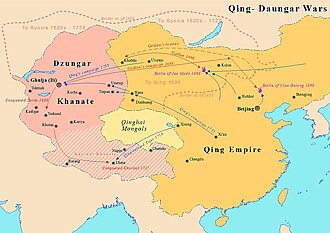
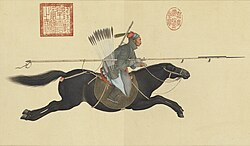
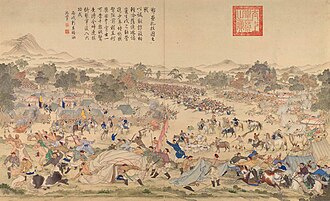
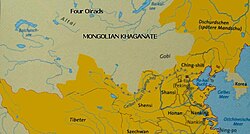
The 17th century was marked by internal strife and external pressure. The Dzungar Khanate, led by Galdan Boshugtu Khan, emerged as a major power in Inner Asia. In 1688, Oirat invasions of Khalkha lands forced the Northern Yuan Mongols to seek protection from the Qing dynasty. By May 30, 1691, Mongol princes formally submitted to the Qing emperor.
Control over Inner Mongolia was secured by the Qing by 1635, following the defeat of the Chahar army and the death of the last khan, Ligdan, in 1634. The geopolitical landscape was further complicated by religious divides, with the Gelugpa (Yellow Hat) sect supporting the Manchus, while Ligdan supported the Kagyu (Red Hat) sect of Tibetan Buddhism.
The Path to Independence
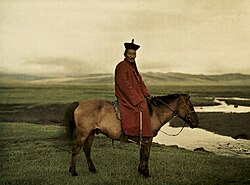
In the early 20th century, the Qing government implemented "New Policies" (xinzheng) to encourage Han Chinese settlement on Mongolian lands. This sparked a movement for independence in Outer Mongolia. Following the Xinhai Revolution, the Mongolian Revolution on November 30, 1911, ended over two centuries of Qing rule.
Demographics and Geographic Distribution
The Mongolic people are distributed across several nations, with varying population sizes and subgroup concentrations.
| Region/Country | Approximate Population | Primary Groups |
|---|---|---|
| China | 6,290,204 | Southern Mongols, Oirats, Barga, Buryat |
| Mongolia | 3,046,882 | Khalkha, Oirats, various clans |
| Russia | 651,355 | Buryats, Kalmyks |
| South Korea | 37,963 | Diaspora |
| Japan | 20,416 | Diaspora |
Major Subgroups
- Khalkha: The dominant group in modern Mongolia.
- Oirats: Concentrated in Western Mongolia, Xinjiang (China), and Kalmykia (Russia). The Kalmyks are a Western Oirat group residing in Russia.
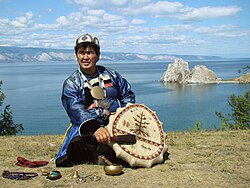
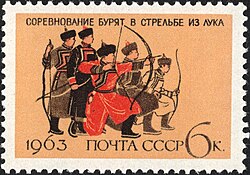
- Buryats: Primarily located in Russia (Siberia) and parts of Mongolia and China.
Culture and Society
Language and Religion
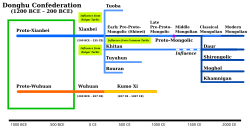
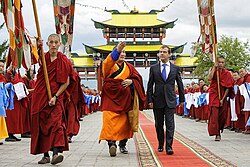
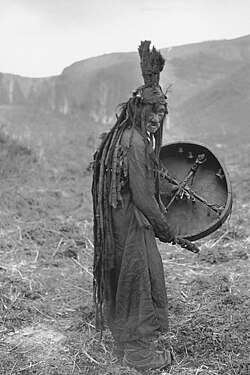
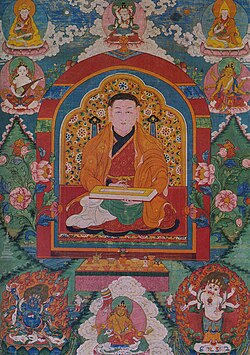
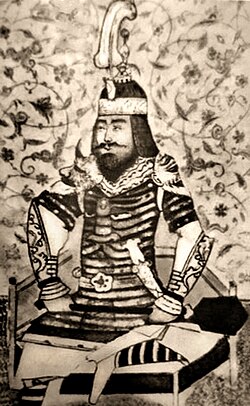
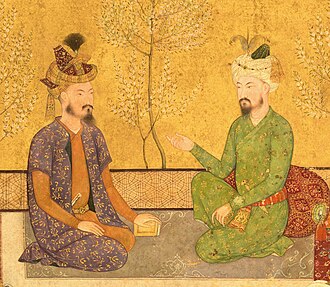
The people speak Mongolic languages, which are categorized in a chronological linguistic tree. Spiritually, the population has a diverse history. While Tibetan Buddhism (particularly the Gelugpa sect) became dominant, traditional shamanism remains a significant cultural element. In some regions, such as those influenced by Timur, conversion to Islam occurred among certain leaders.
Lifestyle and Kinship
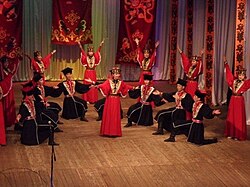
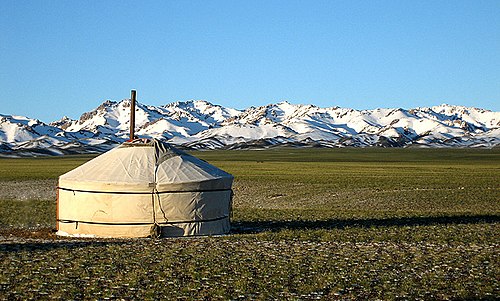
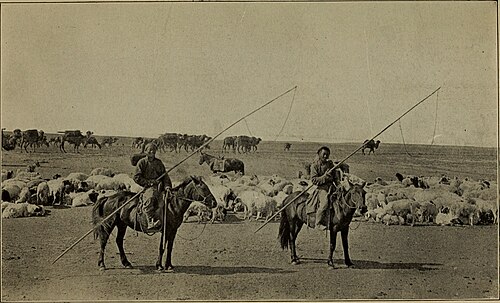
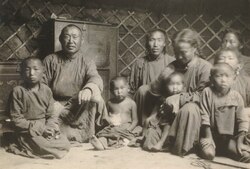
Traditional Mongolian life is centered around the ger (a portable round tent) and the grazing of livestock. This nomadic lifestyle fostered strong kinship ties and a social structure based on clans and tumens (military/administrative units of 10,000).
Frequently Asked Questions
What is the difference between the Khalkha and the Oirats?
The Khalkha are the Eastern Mongolic people who became the dominant group in Mongolia proper, while the Oirats are Western Mongolic peoples who established powers like the Dzungar Khanate and later migrated to form the Kalmyk population in Russia.
How did the Qing dynasty come to rule Mongolia?
The Qing secured Inner Mongolia by 1635. Outer Mongolia (the Khalkha) submitted in 1691 after being pressured by invasions from the Dzungar Khanate, seeking the protection of the Qing emperor.
What are the primary Mongolic groups in Russia?
The two primary Mongolic ethnic groups in Russia are the Buryats, located mainly in Siberia near Lake Baikal, and the Kalmyks, located in the Republic of Kalmykia.
What is a ger?
A ger is a traditional, portable, round tent used by Mongolian nomads, designed to be easily assembled and disassembled to facilitate movement across the steppes for livestock grazing.
When did Outer Mongolia gain independence from China?
The Mongolian Revolution began on November 30, 1911, ending over 200 years of Qing dynasty rule and initiating the process of independence for Outer Mongolia.