Monarch Butterfly: Life Cycle, Migration, and Conservation
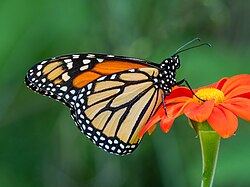
The monarch butterfly (Danaus plexippus) is one of the most iconic insects in the world. Known for its striking orange and black wings, this member of the Nymphalidae family is celebrated not just for its beauty, but for its extraordinary migratory patterns and complex biological life cycle. While the entire species is currently classified as Least Concern by the IUCN, certain migratory subspecies are considered Vulnerable, highlighting the delicate balance required to sustain their populations.
Key Facts
- Scientific Name: Danaus plexippus
- Order: Lepidoptera
- Primary Host Plants: Various species of milkweed (Asclepias)
- Conservation Status: Least Concern (entire species); Vulnerable (migratory subspecies)
- Key Defense: Aposematism (warning coloration) and chemical toxicity from milkweed
The Monarch Life Cycle
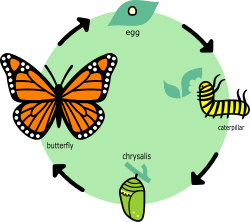
The monarch undergoes a complete metamorphosis, a biological process involving four distinct stages: egg, larva, pupa, and adult. This transformation is essential for the species to progress from a specialized feeder to a mobile, nectar-seeking adult.
1. The Egg Stage
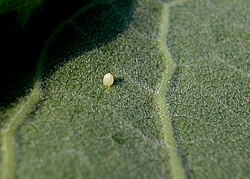
The life cycle begins when a female monarch lays an egg on the underside of a milkweed leaf. These tiny structures are the foundation of the next generation.
2. The Larval Stage (Caterpillar)
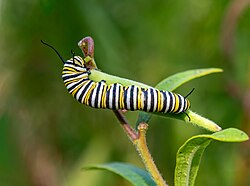
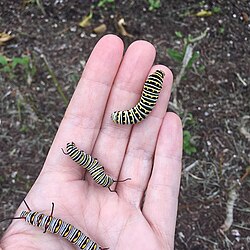
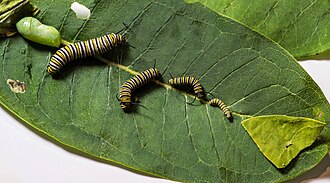
Once the egg hatches, the monarch caterpillar (larva) emerges. The primary goal of this stage is growth. Caterpillars are specialized feeders, consuming vast amounts of milkweed to fuel their development through several growth phases known as instars.
3. The Pupal Stage (Chrysalis)
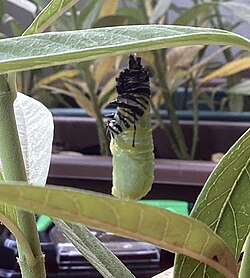
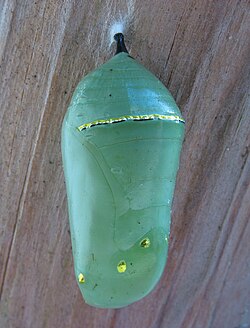
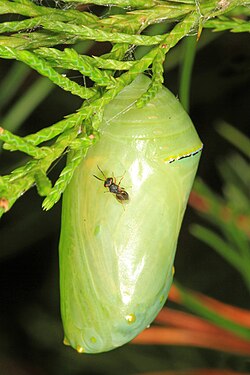
After reaching full size, the caterpillar undergoes metamorphosis, transitioning into a chrysalis (pupa). Inside this protective casing, the body of the caterpillar is completely reorganized into the structure of an adult butterfly.
4. The Adult Stage
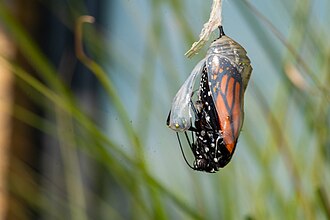
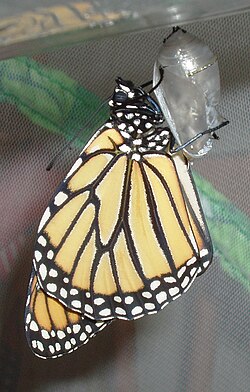
The final stage is the emergence of the adult butterfly. Upon exiting the chrysalis, the monarch must cling to its shell to expand and dry its wings before it can take its first flight.
Diet and Habitat Requirements
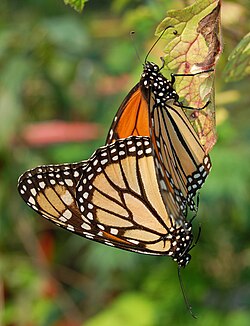
Monarchs have very specific dietary needs that change as they age. The relationship between the monarch and the milkweed plant is one of the most critical ecological connections in the insect world.
Larval Host Plants
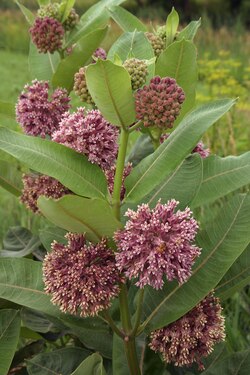
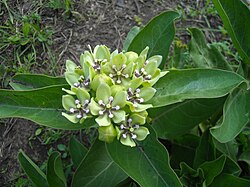
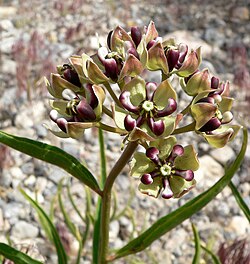
Caterpillars are specialists; they can only survive by eating plants in the Asclepias genus (milkweeds) or similar plants like Calotropis and Gomphocarpus. Common host plants include:
- Common milkweed (Asclepias syriaca)
- Green antelopehorn milkweed (Asclepias viridis)
- Tropical milkweed (Asclepias curassavica)
- Antelope horns milkweed (Asclepias asperula)

Adult Nectar Sources
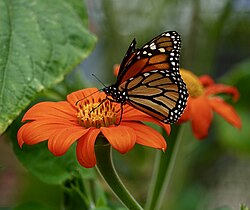
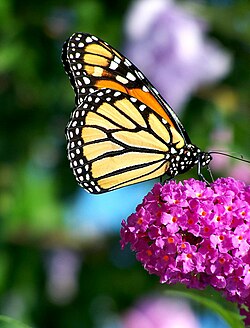
While caterpillars eat leaves, adult monarchs require nectar for energy. They visit a wide variety of flowering plants, including sunflowers (Helianthus), butterfly-bush (Buddleja), and asters. These nectar sources are vital for fueling their long-distance migrations.
Defense Mechanisms and Mimicry
Monarchs utilize aposematism, a strategy where bright colors serve as a warning to predators that they are toxic. This toxicity is derived from the cardiac glycosides found in the milkweed they consume during the larval stage.

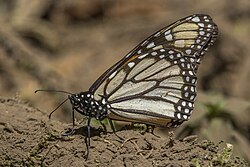
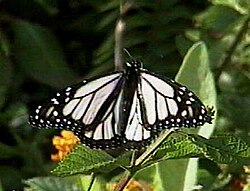
Some species have evolved to take advantage of this warning signal. For example, the viceroy butterfly exhibits Müllerian mimicry, where two or more species resemble each other to reinforce the predator's avoidance of both.

However, not all predators are deterred. The Chinese mantis, for instance, is resistant to monarch toxins and has been observed gutting caterpillars to remove the most toxic parts before eating.
![Chinese mantis feeding on a monarch butterfly. The species also feeds on monarch caterpillars, being resistant to their toxins and gutting them before consumption to remove most of the toxins.[161]](/images/89/8f/898f0f4ba9d635f04b39557d364ba8bdc5f8176c3535c885d87968452cf1af49.jpg)
Migration and Overwintering
One of the most remarkable behaviors of the monarch is its long-distance migration. Depending on the population, monarchs travel vast distances to reach specific overwintering sites where they can survive the colder months.
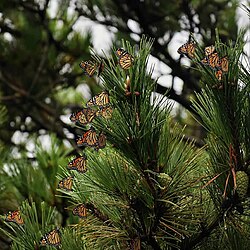
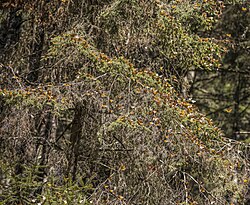
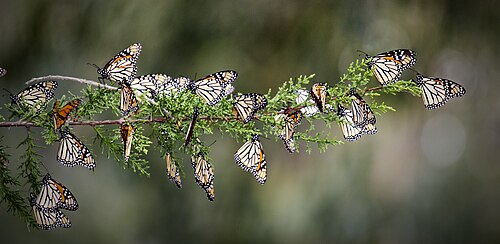
In Mexico, many monarchs congregate in the Oyamel fir forests within the Monarch Butterfly Biosphere Reserve. They are often seen in massive clusters, clinging to trees to conserve heat.
Conservation and Human Impact
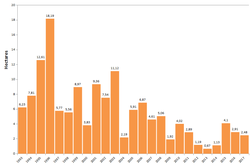
Monarch populations face several significant threats, including habitat loss due to herbicide use and genetically modified crops, climate change, and the loss of overwintering habitats. The western monarch populations, in particular, have shown significant fluctuations in recent years.

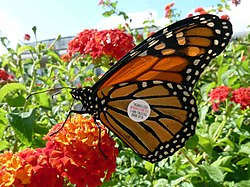
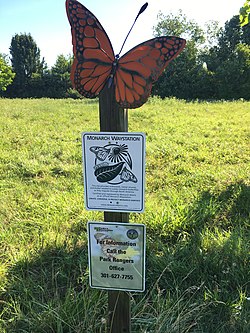
Conservation efforts involve creating monarch waystations—habitats specifically designed with nectar plants and milkweed to support migrating butterflies. Many individuals participate in citizen science, such as tagging monarchs for programs like Monarch Watch.
Summary of Monarch Biology
| Feature | Description |
|---|---|
| Scientific Name | Danaus plexippus |
| Metamorphosis Type | Complete (Egg, Larva, Pupa, Adult) |
| Primary Diet (Larva) | Milkweed (Asclepias spp.) |
| Primary Diet (Adult) | Flower Nectar |
| Main Defense | Toxicity and Warning Coloration |
Frequently Asked Questions
What do monarch caterpillars eat?
Monarch caterpillars feed almost exclusively on milkweed plants (Asclepias species), which provide them with the nutrients and toxins necessary for their development and defense.
Why are monarch butterflies orange and black?
This coloration is a form of aposematism, a warning to predators that the butterfly is toxic and unpalatable due to the chemicals it ingested as a caterpillar.
How can I help monarch butterflies?
You can help by planting native milkweed for caterpillars and various nectar-rich flowers for adult butterflies, effectively creating a "waystation" for their migration.
What is the difference between a monarch and a viceroy?
While they look very similar due to mimicry, they are different species. The viceroy has evolved to resemble the monarch to benefit from the predator avoidance associated with the monarch's appearance.
Where do monarchs go in the winter?
Many migratory monarch populations travel to specific overwintering sites, such as the Oyamel fir forests in Mexico or coastal areas in California.