Mobile Phones: The Evolution of Wireless Communication
A mobile phone, commonly known as a cell phone in North America, is a portable wireless device that allows users to make and receive calls over a radio frequency link. Unlike traditional landline phones, these devices enable communication while moving within a designated service area. This connection is made possible through a cellular network architecture, which links the device to a mobile operator's switching systems and provides access to the public switched telephone network (PSTN).
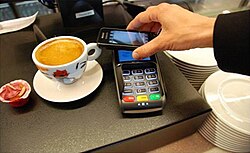
While originally designed for voice communication, digital mobile phones have evolved into multifunctional tools. Today, they support text messaging, email, and high-speed internet access via LTE, 5G NR, or Wi-Fi, as well as short-range wireless technologies such as Bluetooth, infrared, and ultra-wideband (UWB).
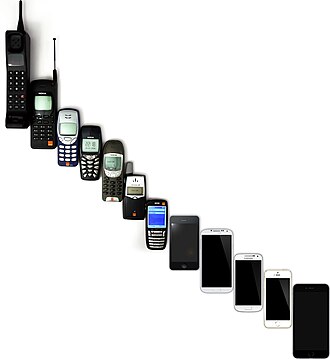
Key Facts
- First Call: Demonstrated by Martin Cooper of Motorola on April 3, 1973.
- First Commercial Network: Launched by Nippon Telegraph and Telephone (NTT) in Japan in 1979.
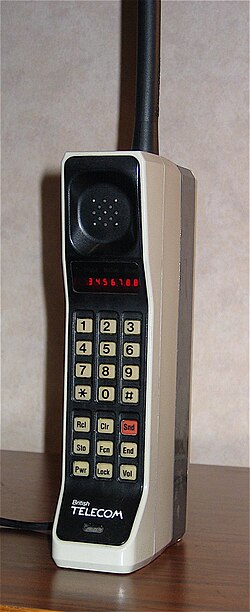
- First Commercial Handset: The Motorola DynaTAC 8000x, released in 1983.
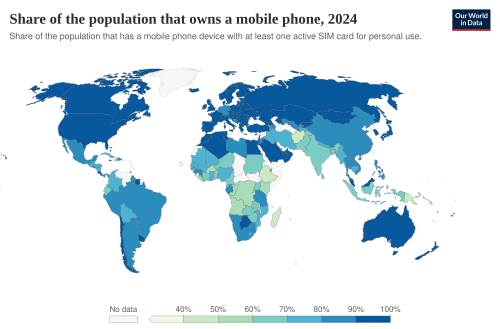
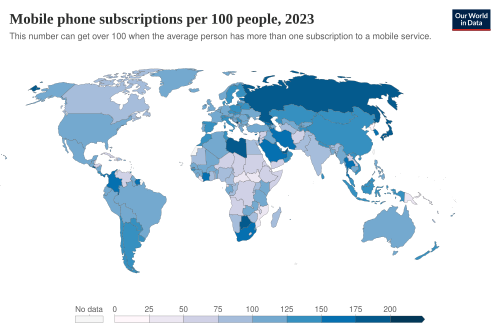
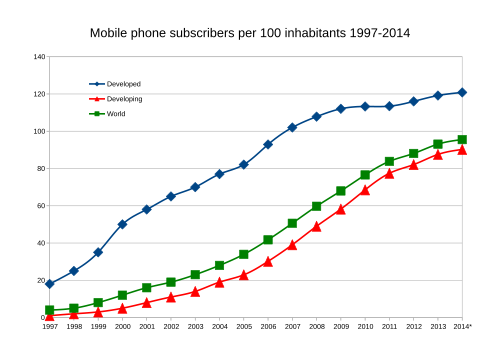
- Global Reach: Worldwide subscriptions grew to over 9.1 billion by 2024.
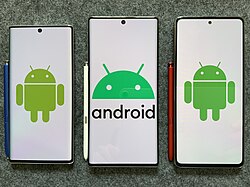
- Market Leaders: Samsung, Apple, and Xiaomi are the top smartphone manufacturers as of 2024.
The History of Mobile Telephony
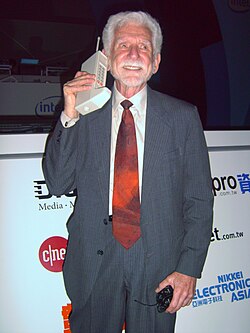
The journey of mobile communication began with the first handheld demonstration in New York City in 1973. The prototype used by Martin Cooper weighed approximately 2 kilograms (4.4 lbs).
The Rise of 1G and Early Adoption
The first commercial automated cellular network, known as 1G, used analog technology and was launched in Japan in 1979. This was followed in 1981 by the Nordic Mobile Telephone (NMT) system across Denmark, Finland, Norway, and Sweden. Although 1G systems could support more simultaneous calls than previous attempts, they remained analog.
The Shift to Digital and Messaging
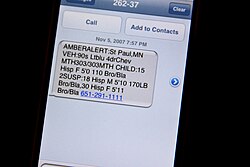
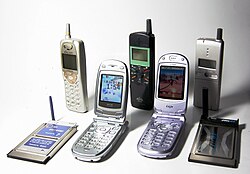
As technology progressed, mobile phones transitioned from simple voice devices to data-capable tools. The Short Message Service (SMS), or text messaging, saw its first computer-to-phone message sent in the UK in 1992, with the first person-to-person SMS following in Finland in 1993. By 2000, Finland launched the first SMS-based news service, and the Multimedia Messaging Service (MMS) was introduced in March 2002.
Infrastructure and Hardware
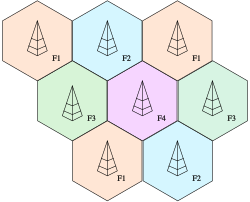
Mobile phones rely on a complex infrastructure to maintain connectivity. Cellular networks function by reusing radio frequencies in non-adjacent cells to prevent interference.
Every mobile phone consists of several core hardware components:
- Central Processing Unit (CPU): The brain of the device that handles instructions.
- Display: The visual interface for the user.
- Sound System: Components for audio input and output.
- Battery: The power source, often rechargeable.
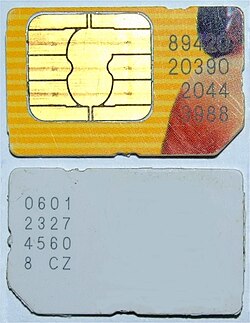
- SIM Card: The Subscriber Identity Module, which identifies the user on the network.
Market Dynamics and Global Adoption
The mobile phone market has seen significant shifts in leadership over the decades. Motorola led the market from 1983 to 1998, followed by Nokia, which dominated from 1998 until 2012. In the first quarter of 2012, Samsung surpassed Nokia by selling 93.5 million units compared to Nokia's 82.7 million, maintaining the top position since.
In terms of network operators, China Mobile is the world's largest, with over 902 million subscribers as of June 2018. By 2014, global subscriptions exceeded seven billion.
| Rank | Manufacturer | Market Share |
|---|---|---|
| 1 | Samsung | 21% |
| 2 | Apple | 16% |
| 3 | Xiaomi | 13% |
| 4 | Oppo | 10% |
| 5 | Vivo | 9% |
| - | Others | 31% |
Societal Impact and Restrictions
![Active mobile broadband subscriptions per 100 inhabitants[27]](/images/a5/b6/a5b6a76b3c081ba6ef3206e485f6ac8f1cc7dc02cb89d5382fc38b975a5d5bea.webp)
The ubiquity of mobile phones has introduced new challenges, particularly regarding safety and regulation. One of the most controversial issues is distracted driving. In September 2010, the US National Highway Traffic Safety Administration (NHTSA) reported that 995 people were killed due to drivers distracted by cell phones.
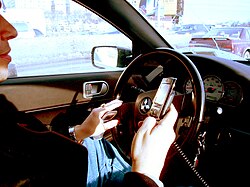
Because of these risks, many jurisdictions have implemented strict laws:
- Total Bans: Egypt, Israel, Japan, Portugal, and Singapore ban both handheld and hands-free use while driving.
- Handheld Bans: The UK, France, and many US states prohibit handheld use but allow hands-free devices.
- Specific Penalties: In the UK, motorists caught using handheld phones may receive a £60 fine and three penalty points on their license.
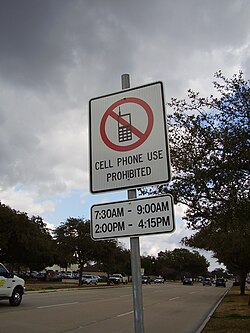
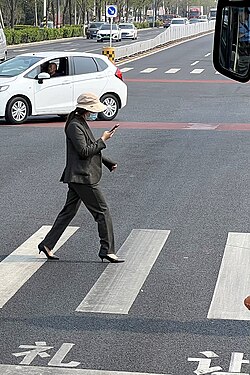
Beyond the road, mobile phone use is restricted in other environments, including aircraft, prisons, and hospitals, and has led to the emergence of "smombies" (smartphone zombies)—pedestrians distracted by their screens while walking.
Frequently Asked Questions

Who invented the first handheld mobile phone?
Martin Cooper of Motorola demonstrated the first handheld mobile phone on April 3, 1973, in New York City.
What was the first commercially available mobile phone?
The Motorola DynaTAC 8000x became the first commercially available handheld cellular mobile phone in 1983.
When was the first SMS message sent?
The first SMS was sent from a computer to a mobile phone in 1992 in the UK; the first person-to-person SMS was sent in Finland in 1993.
Which company is currently the largest mobile operator?
As of June 2018, China Mobile is the world's largest individual mobile operator, with over 902 million subscribers.
Why are mobile phones called "cell phones"?
They are called cell phones because they rely on a cellular network architecture, where the service area is divided into smaller "cells," each served by its own base station.