Minnesota Twins and Montreal Expos: A History of Stadium Struggles
In the world of professional baseball, the venue is more than just a field; it is a critical engine for revenue and a primary factor in fan experience. For the Minnesota Twins and the Montreal Expos, the stadiums they called home became symbols of both triumph and systemic failure, eventually contributing to instability and rumors of relocation.
The Minnesota Twins and the Metrodome Era
The Minnesota Twins transitioned to the Metrodome for the 1982 season, leaving behind Metropolitan Stadium after 21 years. While the move brought the team into a modern multipurpose facility, the experience was a mixture of on-field success and off-field frustration. During their time at the Metrodome, the Twins reached the pinnacle of the sport, winning the World Series in both 1987 and 1991.
Despite these victories, the Metrodome—which the Twins shared with the NFL's Minnesota Vikings—presented significant challenges. The stadium suffered from poor sightlines when configured for baseball. Furthermore, the Twins faced a financial disadvantage, as they received no revenue from parking, luxury suites, or signage.
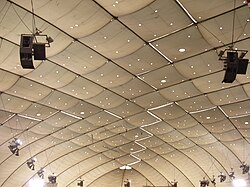
The facility's air-supported roof, a structural design that relies on internal air pressure to stay inflated, was particularly problematic. The white ceiling made it difficult for fielders to track fly balls, and heavy snowfall caused the roof to deflate on multiple occasions.
Relocation Rumors and Market Pressures
By the early 1990s, the Metrodome was widely viewed as obsolete. This led to persistent rumors throughout the 1990s and early 2000s that the Twins might move to more financially competitive markets, including Nashville, Tennessee; Orlando, Florida; and Sacramento, California. In 1997, the team nearly finalized a deal to move to North Carolina, though the agreement ultimately fell through.
Some speculation suggests that MLB Commissioner Bud Selig may have targeted the Twins due to his family's ownership of the Milwaukee Brewers. As the closest team to the Twin Cities, the Brewers stood to potentially absorb the Twins' market share if the franchise were dissolved.
The Montreal Expos and Olympic Stadium
The Montreal Expos experienced a similarly turbulent relationship with their home venue. Olympic Stadium was originally built as a multipurpose facility for the 1976 Summer Olympics. The Expos began playing there full-time in 1977, marking their ninth year of existence and providing an upgrade over Jarry Park Stadium.
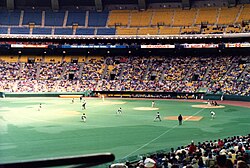
However, the stadium was plagued by construction and maintenance failures. A retractable roof, intended to be ready by the time the Expos arrived, was not completed until 1987 and began leaking shortly thereafter. The facility's instability peaked in 1991 when support beams collapsed, sending a 55-ton concrete slab crashing onto an external walkway. This disaster forced the Expos to play their final 13 home games of the season on the road.
Financial Decline and Government Friction
The deteriorating state of Olympic Stadium contributed to a sharp decline in attendance. Throughout the 1990s, the Expos consistently ranked near the bottom of the National League for attendance, finishing last in every one of their final seven seasons in Montreal.
Owner Jeffrey Loria struggled to secure English-speaking radio and television coverage, which limited the team's broadcasting revenue. When Loria proposed the construction of a new downtown ballpark to solve these issues, the Quebec government rejected the proposal, leaving the team without a viable path forward in the city.
Key Facts
- Twins World Series Wins: 1987 and 1991.
- Metrodome Issues: Air-supported roof deflations, poor sightlines, and lack of revenue from suites and parking.
- Olympic Stadium Disaster: A 55-ton concrete slab collapsed in 1991, forcing 13 home games to be played on the road.
- Expos Attendance: Ranked last in the National League for their final seven seasons in Montreal.
- Proposed Twins Locations: Sacramento, Orlando, Nashville, and North Carolina.
| Team | Stadium | Primary Structural Issue | Financial/Operational Hurdle |
|---|---|---|---|
| Minnesota Twins | Metrodome | Deflating air-supported roof | No revenue from signage, suites, or parking |
| Montreal Expos | Olympic Stadium | Leaking roof and concrete collapse | Low attendance and rejected downtown ballpark proposal |
Frequently Asked Questions
Why was the Metrodome roof problematic for the Twins?
The white, air-supported roof made it difficult for players to see and track fly balls. Additionally, the roof was prone to deflating under the weight of heavy snow.
What happened to the Montreal Expos in 1991?
A 55-ton concrete slab crashed onto a walkway outside Olympic Stadium due to collapsing support beams, forcing the team to play their final 13 home games of the season on the road.
Why did the Twins consider moving to other cities?
The team sought more financially competitive markets because the Metrodome was considered obsolete and the team did not receive revenue from luxury suites, signage, or parking.
How did the Quebec government affect the Montreal Expos?
The Quebec government rebuffed owner Jeffrey Loria's proposal to build a new downtown ballpark, which hindered the team's ability to improve its facilities and attendance.
Did the Twins win any championships while playing at the Metrodome?
Yes, the Minnesota Twins won the World Series twice during their tenure at the Metrodome, in 1987 and 1991.