Middle Eastern Theatre of World War I
The Middle Eastern theatre of World War I was a complex arena of conflict that spanned from October 29, 1914, to October 30, 1918. This theatre pitted the Central Powers—led by the Ottoman Empire with support from Germany and Austria-Hungary—against the Allied Powers, which included the British Empire, Russia (until 1917), and France. The conflict was characterized by vast geographical distances, diverse colonial forces, and a struggle for territorial control that would eventually lead to the partitioning of the Ottoman Empire.
The fighting was concentrated across four primary campaigns: the Sinai and Palestine, Mesopotamian, Caucasus, and Gallipoli campaigns. Additionally, smaller-scale operations took place in Persia, South Arabia, the Arabian interior, and Libya.
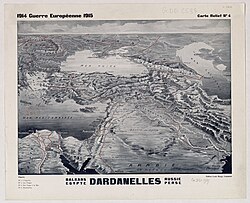
Key Facts
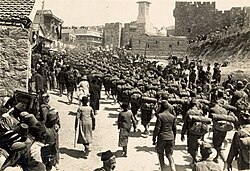
- Duration: October 29, 1914 – October 30, 1918.
- Outcome: Allied victory resulting in the partitioning of the Ottoman Empire.
- Major Belligerents: Ottoman Empire, Germany, and Austria-Hungary vs. British Empire, Russia, and France.
- Total Personnel: Over 4 million Allied troops and approximately 3.1 million Central Powers troops.
- Human Cost: Massive casualties, including an estimated 1.2 to 2.5 million civilian deaths for the Ottoman Empire and 2 million Persian civilians dead from famine.
Strategic Objectives and Alliances
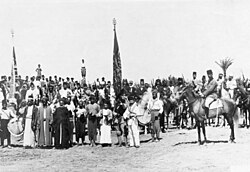
The Central Powers
The Ottoman Empire entered the war via a secret alliance with Germany signed on August 2, 1914. A primary strategic goal for the Ottomans was the recovery of territories lost during the Russo-Turkish War (1877–1878), specifically the port of Batum and the regions of Artvin, Ardahan, and Kars. By pressuring the Caucasus, the Ottomans aimed to force Russia to divert troops away from the Polish and Galician fronts.
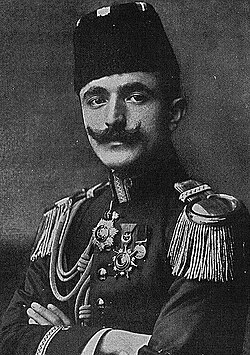
The Allied Powers
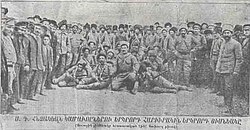
The Allies utilized a diverse array of forces. The British Empire deployed troops from the United Kingdom, India, Australia, New Zealand, South Africa, and Canada. France utilized colonial troops from North and West Africa. Russia operated the Russian Caucasus Army, supported by Armenian volunteer units. Various ethnic groups, including Armenians, Assyrians, and certain Arab states, also aligned with the Allies to oppose Ottoman rule.
Military Organization and Recruitment
The Ottoman War Effort
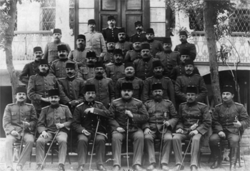
The Ottoman Army underwent significant restructuring during the war. In 1914, many divisions were created from scratch. As the conflict progressed, the Empire established the 5th, 6th, 7th, and 8th Armies, and later the Eastern Army Group and Yildirim Army Group. Despite these additions, manpower and supplies declined over time.
Much of the Ottoman military equipment was manufactured in Germany or Austria. The Asia Korps, a specialist German force, was dispatched in 1917 to provide support. In early 1918, the German Caucasus Expedition was formed to secure vital oil supplies and stabilize the pro-German Democratic Republic of Georgia.
Allied Mobilization
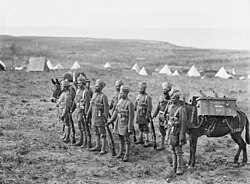
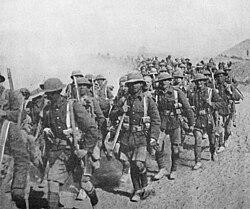
The British established several specialized forces, including the Mediterranean Expeditionary Force and the Egyptian Expeditionary Force. In 1917, Dunsterforce—an elite unit of fewer than 1,000 troops from Australia, Britain, Canada, and New Zealand—was created to oppose Ottoman and German forces in the Caucasus.
Chronology of Major Events
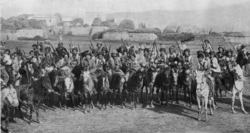
The Outbreak of War (1914)
Hostilities began in earnest in November 1914. Following the shelling of Odessa, Russia declared war on the Ottoman Empire on November 2. This was followed by British naval attacks on the Dardanelles and declarations of war from Britain and France on November 5. On November 14, the Ottoman declaration of Jihad was publicized.
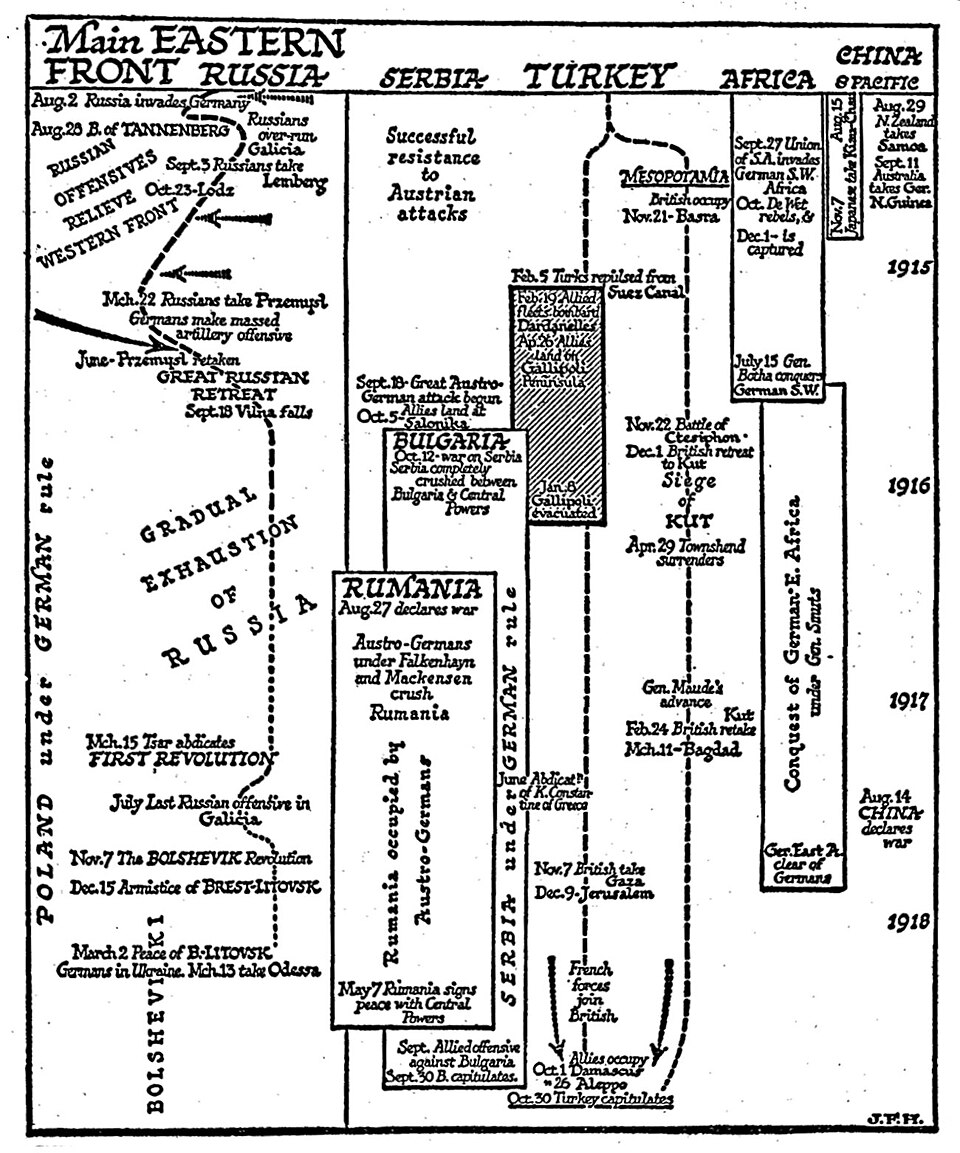
The Middle Years (1915–1917)
The war saw intense fighting in the Gallipoli peninsula and the Mesopotamian plains. In the Caucasus, Russian forces under General Yudenich reorganized in late 1915, growing to 200,000 men by 1916. However, the Russian advance halted in February 1917 following the Russian Revolution, leading to the disintegration of the Russian Caucasus Army.
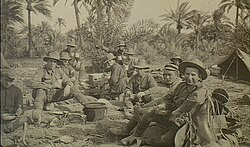
The Final Phase (1918)
The conflict between the Ottoman Empire and Russia officially ended with the Treaty of Brest-Litovsk on March 3, 1918. However, fighting continued against the British and newly formed regional states. The war in the region finally concluded with the Armistice of Mudros on October 30, 1918.
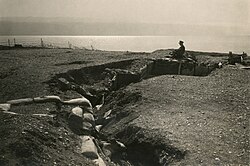
Aftermath and Human Cost
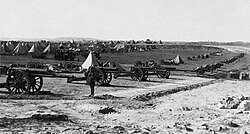
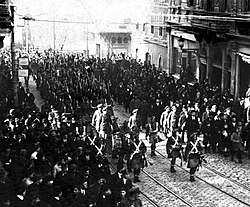
The war ended with the military occupation of Constantinople (Istanbul) on November 13, 1918, by French and British troops. This occupation, along with the occupation of İzmir, helped spark the Turkish national movement and the subsequent Turkish War of Independence.
The human cost was staggering. Allied military losses reached approximately 1 million. The Ottoman Empire suffered even more severely; some estimates suggest that nearly 25% to 26.9% of its total population perished, totaling roughly 5 million deaths. This includes massive civilian losses and a devastating famine in Persia that killed 2 million civilians.
| Category | Allied Powers | Central Powers (Ottoman Empire) |
|---|---|---|
| Total Strength | 4,000,000+ | ~3,100,000 |
| Military Casualties | 1,250,000+ | 1,788,200 |
| Civilian Deaths | Not specified | 1,200,000 – 2,500,000+ |
| Key Result | Victory / Partitioning of Empire | Defeat / Loss of Territory |
Frequently Asked Questions
What were the four main campaigns of the Middle Eastern theatre?
The four primary campaigns were the Gallipoli, Mesopotamian, Caucasus, and Sinai and Palestine campaigns.
Why did the Ottoman Empire join the Central Powers?
The Ottoman Empire signed a secret alliance with Germany on August 2, 1914, primarily to recover territories lost to Russia in the 1877–1878 Russo-Turkish War.
What was the impact of the Russian Revolution on the conflict?
The Russian Revolution in February 1917 halted the Russian advance in the Caucasus and led to the disintegration of the Russian Caucasus Army, which was eventually replaced by Armenian forces.
How did the war end for the Ottoman Empire?
The conflict ended with the signing of the Armistice of Mudros on October 30, 1918, followed by the military occupation of Istanbul and the eventual partitioning of the empire.
What was the civilian toll of the war in this region?
The civilian toll was immense, with the Ottoman Empire losing between 1.2 and 2.5 million civilians, and an additional 2 million Persian civilians dying due to famine exacerbated by the occupation of Russian, British, and Ottoman forces.