Medellín: The Vibrant Capital of the Mountain
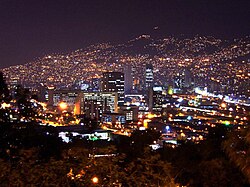
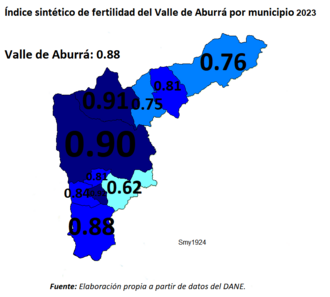
Nestled within the lush Aburrá Valley of the Antioquia department, Medellín is a city of striking contrasts and remarkable resilience. Known affectionately as the "City of the Eternal Spring" (Ciudad de la eterna primavera) and the "City of the Flowers" (Ciudad de las flores), it serves as a primary economic and cultural hub for Colombia. From its colonial roots to its status as a modern center of innovation, Medellín blends a rich history with a forward-looking urban vision.
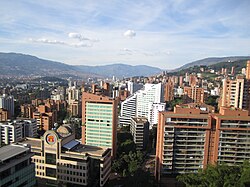
The city is characterized by its dramatic topography, surrounded by mountains that provide a stunning backdrop to its urban sprawl. This geography has shaped everything from its climate to its unique transportation systems, making it one of the most distinctive metropolitan areas in South America.
Key Facts
- Founded: March 2, 1616.
- Population: Approximately 2.4 million in the city and over 3.7 million in the metro area (2020).
- Elevation: 1,495 meters (4,905 feet) above sea level.
- Economy: Metro GDP of US$ 35.0 billion (2023).
- Climate: Tropical rainforest, maintaining mild temperatures year-round.
- Unique Transit: Home to the only metro system in Colombia.
History and Evolution
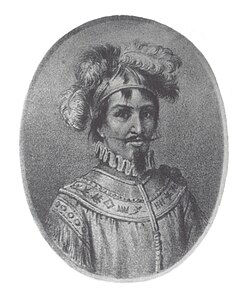
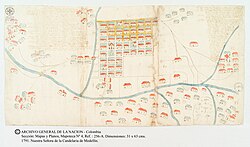
Medellín's journey began in the early 17th century, founded by Spanish conquistadors including Marshal Jorge Robledo. During the colonial period, the city grew as a strategic settlement, leaving behind architectural legacies such as the San Ignacio Church and the Metropolitan Cathedral.
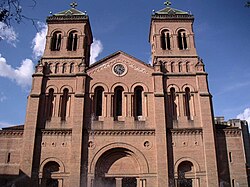
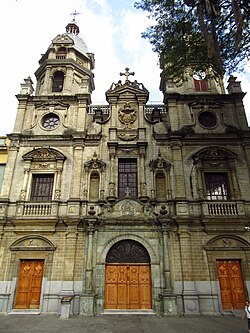
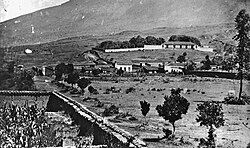
The city underwent a significant transformation during the Industrial Revolution, evolving into a center for trade and manufacturing. By the second half of the 20th century, Medellín experienced rapid urban growth, expanding its infrastructure to accommodate a surging population. Today, the city is recognized globally for its urban innovation and social transformation.
Geography and Climate
Located in the Aburrá Valley, Medellín enjoys a tropical rainforest climate. Its elevation ensures that temperatures remain temperate, avoiding the extreme heat of the lowlands and the freezing cold of the high Andes. The city experiences significant rainfall, particularly between October and November, which contributes to the lush greenery of the region.
| Metric | January | April | July | October | Annual Average |
|---|---|---|---|---|---|
| Mean Daily Max (°C) | 27.9 | 27.8 | 28.6 | 27.3 | 28.0 |
| Daily Mean (°C) | 23.0 | 22.8 | 24.0 | 22.2 | 23.1 |
| Mean Daily Min (°C) | 17.5 | 18.0 | 17.6 | 17.6 | 17.7 |
| Precipitation (mm) | 141.0 | 299.8 | 56.0 | 276.1 | 2,238.2 |
Urban Landscape and Architecture
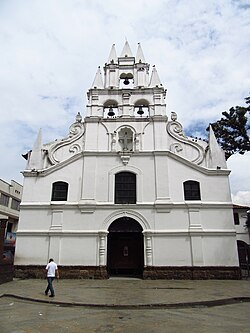
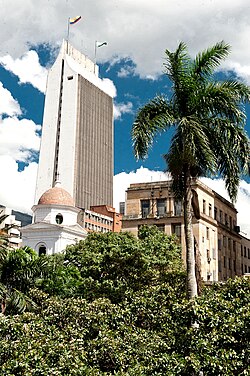
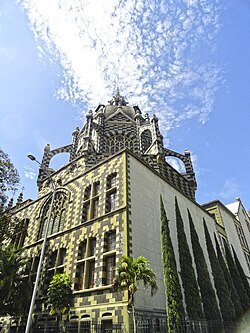
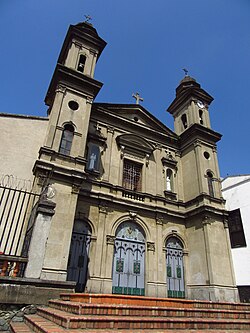
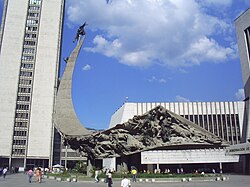
Medellín's skyline is a mix of colonial charm and modern ambition. The Coltejer Building stands as the city's tallest structure, symbolizing its industrial strength. In contrast, the historic center features the Rafael Uribe Uribe Palace of Culture and the San Antonio Church.
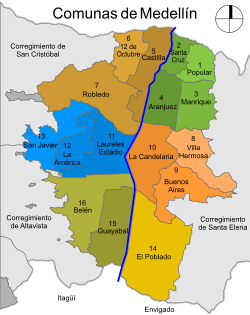
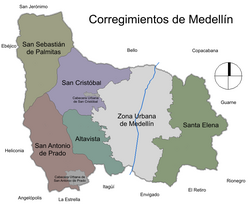
The city is divided into various zones, including the wealthy district of El Poblado, a major economic and urban center, and the various communes and corregimientos (rural townships) that extend into the surrounding mountains.
Economy, Education, and Health
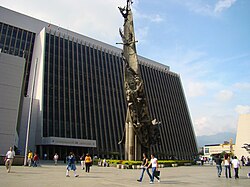
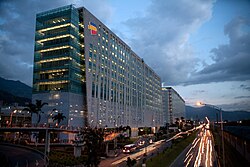
Medellín is a powerhouse of Colombian commerce. It hosts the headquarters of Bancolombia, the nation's largest commercial bank, and the Argos Company, the first cement industrial group in Colombia. The city's administrative heart is located at La Alpujarra, where the mayor's office and the governor of Antioquia are based.
![Former headquarters of Argos Company, the first cement industrial group of Colombia[52]](/images/2d/8c/2d8c9b1812a5868232ac31f73c778304b206acf17b05ff661bdedb4bf75445a9.jpg)
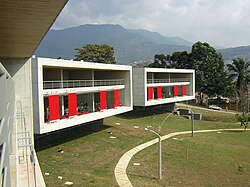
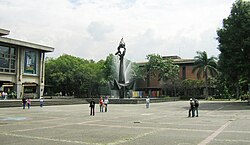
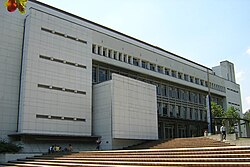
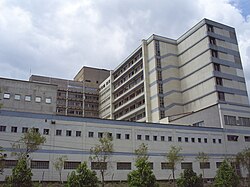
Education is a cornerstone of the city, with over 30 universities. Prominent institutions include the University of Antioquia, the National University of Colombia, and the Pontifical Bolivarian University. In healthcare, the Pablo Tobón Uribe Hospital is ranked as the top facility in the city.
Transportation and Infrastructure
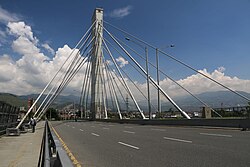
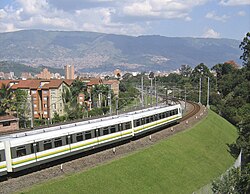
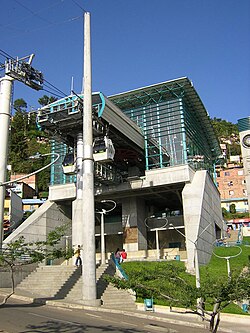
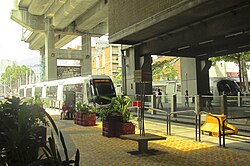
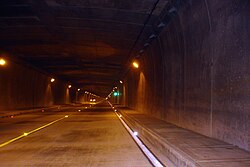
Medellín is a pioneer in urban mobility. The Medellín Metro is the only metro system in Colombia, complemented by the Metrocable—an aerial cable car system that connects hillside communities to the city center. The city also saw the return of trams in 2015 and the construction of the Western Tunnel, the longest tunnel in Latin America.
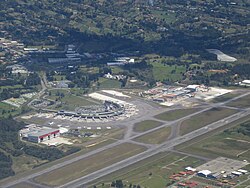
For international travel, the José María Córdova International Airport serves as the primary gateway to the region.
Culture and Lifestyle
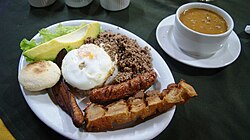
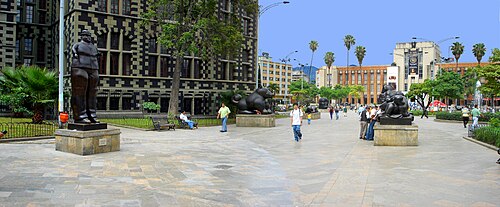
The local identity is deeply rooted in Paisa culture. This is most evident in the city's gastronomy, specifically the Bandeja paisa, the representative dish of the region. The city is also a hub for public art, notably the works of Fernando Botero displayed in Plaza Botero.
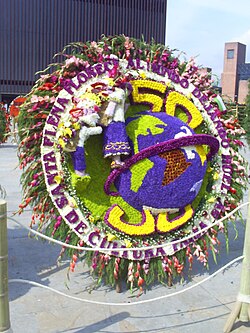
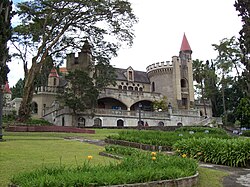
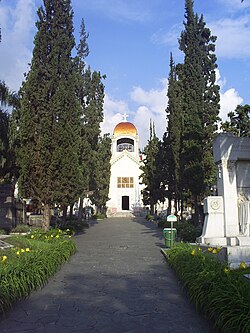
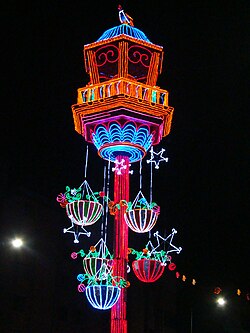
Annual events like the Festival of the Flowers, featuring traditional silletas (large flower arrangements), showcase the city's botanical heritage. Other cultural landmarks include the Museum El Castillo and the San Pedro Cemetery Museum.
Frequently Asked Questions
What is the "City of the Eternal Spring"?
This is a nickname for Medellín, referring to its pleasant, temperate tropical rainforest climate that remains consistent throughout the year.
What makes Medellín's transportation system unique?
Medellín is the only city in Colombia with a metro system. It also integrates the Metrocable, which uses cable cars to provide transit to residents in steep mountain communes.
What is the most famous food in Medellín?
The Bandeja paisa is the most representative dish of Medellín and the wider Antioquia region.
Which famous artists are associated with the city?
The world-renowned sculptor Fernando Botero is from Medellín, and his influence is visible throughout the city, particularly in Plaza Botero.
What is the significance of the Coltejer Building?
The Coltejer Building is the tallest building in Medellín and serves as a landmark of the city's industrialization and economic growth.