Masterpiece: The Evolution of Artistic Excellence
Whether it is a painting that captures the world's imagination or a novel that defines a generation, the term masterpiece is used to describe a creation of outstanding creativity, skill, or profundity. Often referred to as a magnum opus (Latin for 'great work') or a chef-d'œuvre (French for 'master of work'), a masterpiece is typically regarded as the pinnacle of an artist's career or a work that has received immense critical praise.
While we now use the word to describe any exceptional work of art, its origins are rooted in a strict professional system of certification and craftsmanship.
Key Facts
- Original Meaning: A piece of work produced by an apprentice to prove their skill and gain full membership in a craft guild.
- Etymology: Early variants include masterstik (1579) and masterprize.
- Guild Requirements: In some historical guilds, apprentices could not marry until they achieved master status.
- Modern Equivalent: In some art academies, these works are now called reception pieces or diploma works.
The Historical Origins of the Masterpiece
Historically, a masterpiece was not merely a great work of art, but a professional requirement. In the old European guild system, an apprentice or journeyman aspiring to become a master craftsman had to produce a work of a very high standard. This piece served as a practical examination of their fitness for guild membership.
If the work was successful, the apprentice was admitted as a master, and the guild often retained the piece. This high-stakes requirement ensured that extreme care was taken across various trades, including leatherworking, knifemaking, painting, confectionery, and goldsmithing.
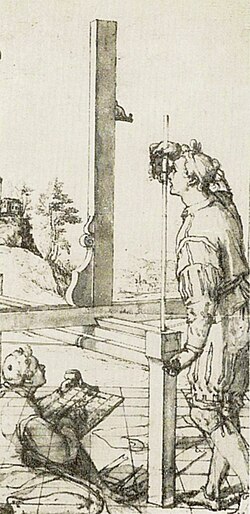
The Rigor of the Goldsmiths
The Worshipful Company of Goldsmiths in 17th-century London provides a clear example of these standards. To combat a perceived decline in skill, the company required apprentices to produce their masterpiece under strict supervision at a "workhouse" in Goldsmiths' Hall. By 1607, wardens noted that few workmen could finish a piece of plate singularly with all its garnishings without external help, necessitating these rigorous checks.
Similarly, in Nuremberg, Germany (between 1531 and 1572), aspiring master goldsmiths had to produce specific items: gold rings set with precious stones, dies for a steel seal, and columbine cups. Failure to meet these standards meant the craftsman could continue to work for others but could never hold the title of master.
Expanding Beyond Tangible Crafts
While the term originally applied to physical objects, the concept extended to intangible arts. A notable example is found in Richard Wagner's 1868 opera Die Meistersinger von Nürnberg, where the plot centers on the hero composing and performing a "masterpiece" song to join the non-commercial Nuremberg guild, reflecting actual historical guild rulebooks.
In contemporary settings, this tradition persists in art academies. The Royal Academy in London, for instance, requires "diploma work" for membership, maintaining a large collection of these pieces.
Modern Interpretation and Usage
Today, the term has shifted from a professional credential to a mark of critical acclaim. It is applied to any work—regardless of whether it was produced for a guild—that demonstrates extraordinary workmanship or profundity.
![Leonardo da Vinci's Mona Lisa (c. 1503–06) is considered an archetypal masterpiece,[1][2][3] although it was not produced for admission to a guild or academy.](/images/4e/26/4e269636a1a8d2e4966f386ce87c1d27c1ff9a496a42a9cb6488116ee3a07135.jpg)
In literature, works such as Charles Dickens' David Copperfield or Chinua Achebe's Things Fall Apart are frequently cited as literary masterpieces due to their enduring influence and skill.
![Things Fall Apart by Igbo author Chinua Achebe is often considered a literary masterpiece, and one of the greatest works of Nigerian literature.[4][5][6]](/images/99/7f/997fd079d0272ff2085d06b28803e9e84faddeb45a7d00f4e4ee2adc67c17914.jpg)
However, some modern critics argue that the term is now overused, particularly in the context of recent cinema, potentially diluting its original meaning of singular excellence.
| Feature | Historical Masterpiece | Modern Masterpiece |
|---|---|---|
| Purpose | Professional certification/Guild entry | Critical acclaim/Artistic achievement |
| Requirement | Mandatory for "Master" status | Subjective based on quality and impact |
| Supervision | Often produced under guild oversight | Produced independently by the artist |
| Outcome | Membership in a craft guild | Recognition as a great work of art |
Frequently Asked Questions
What is the difference between a masterpiece and a magnum opus?
While often used interchangeably, a masterpiece refers to a work of outstanding skill or the piece that earned a craftsman their master status. A magnum opus specifically refers to the greatest single work of an artist's entire career.
Did the Mona Lisa have to be a "masterpiece" in the guild sense?
No. While Leonardo da Vinci's Mona Lisa is considered an archetypal masterpiece today, it was not produced for admission to a guild or academy.
What happened if an apprentice failed to produce a masterpiece?
In cities like Nuremberg, those who failed to be admitted to the guild could continue to work as craftsmen for other masters, but they were prohibited from practicing as a master themselves.
Are there still "masterpieces" produced today?
Yes, though the terminology has changed. Some modern art academies require a "reception piece" or "diploma work" as a condition of membership, which mirrors the original guild system.
How has the meaning of the word changed over time?
The term evolved from a technical requirement for professional certification in European craft guilds to a general descriptor for any work of exceptional artistic merit or critical success.