Marshal Joseph Joffre: The Commander of the Western Front
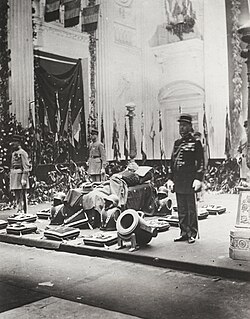
Joseph Joffre was a pivotal figure in French military history, serving as the Commander-in-Chief of French forces on the Western Front during the critical opening years of World War I. A man of impenetrable calm and strategic resolve, Joffre is most remembered for his ability to regroup retreating Allied armies to secure a decisive victory at the First Battle of the Marne in September 1914, an action that halted the German advance into France.
From his early days as a studious student of mathematics to his rise as a Generalissimo—a term denoting a commander-in-chief with supreme authority—Joffre's career spanned the Second Empire and the Third Republic. His journey took him from the colonies of Africa and Asia to the highest echelons of military power in Paris.
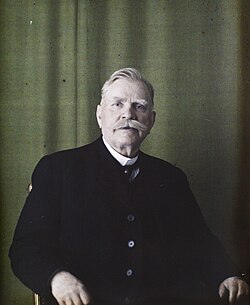
Key Facts
- Full Name: Joseph Jacques Césaire Joffre.
- Primary Role: Commander-in-Chief of French forces on the Western Front (1914–1916).
- Major Achievement: Orchestrated the victory at the First Battle of the Marne.
- Highest Rank: Marshal of France (the first such promotion under the Third Republic).
- Education: Alumnus of the École Polytechnique.
- Lifespan: January 12, 1852 – January 3, 1931.
Early Career and Military Foundations
Born in Rivesaltes to a family of vineyard owners, Joffre excelled in descriptive geometry and mathematics. These technical skills led him to the École Polytechnique in 1870, launching his career as an officer. He first experienced combat as a junior artillery officer during the Siege of Paris in the Franco-Prussian War.
Following the war, Joffre transitioned to the génie (the military engineers) and spent significant time in French colonies. He served with distinction during the Sino-French War in the Keelung campaign and later led a mission from Ségou to Timbuktu in Mali. His colonial service continued in Madagascar under Joseph Gallieni, where he eventually attained the rank of Général de brigade.
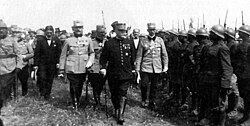
Upon returning to France in 1903, Joffre's ascent continued rapidly. He served as the Director of Engineers at the War Ministry in 1904 and later commanded the 6th Infantry Division and the 2nd Army Corps. By 1910, he was appointed to the Conseil supérieur de la guerre (Superior War Council), positioning him for leadership on the eve of the Great War.
Leadership During World War I
1914: The Crisis and the Marne
At the outbreak of World War I, Joffre faced the immediate challenge of the Battle of the Frontiers. Despite severe losses in Alsace-Lorraine and the fall of Liège, Joffre remained convinced that the German center in the Ardennes was weak. Even as the French Second Army was pressed, Joffre maintained a firm defensive posture, forbidding the abandonment of Nancy.
The turning point came in September 1914. Through a series of coordinated movements and communication with General Gallieni, Joffre pushed forces east along the north bank of the Marne. This strategic maneuver resulted in the First Battle of the Marne, which stopped the German advance and saved Paris from capture.
1915: The Rise to Generalissimo
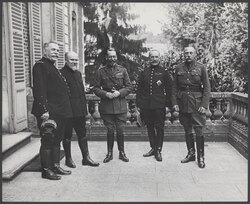
By 1915, Joffre's influence grew, though he often clashed with political figures and other generals over operational authority. On December 2, 1915, a presidential decree officially named him "Commander-in-Chief of the French Armies," granting him the status of Generalissimo. This role gave him command over the Western Front and Salonika, though he did not oversee French forces in Morocco, Algeria, or Tunisia.
1916: Verdun, the Somme, and Decline
The year 1916 proved challenging. The German attack on Verdun placed immense pressure on French reserves. To relieve the pressure, Joffre coordinated with British Commander-in-Chief Sir Douglas Haig to launch the Anglo-French offensive on the Somme. The planning was fraught with tension; Joffre famously insisted the attack happen in July, fearing the French Army would otherwise "cease to exist."
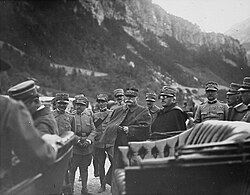
Despite these efforts, the disappointing results of the Somme and the fall of Bucharest in December 1916 eroded Joffre's political standing. The council of ministers began to question his authority, leading to a gradual shift in his role.
Final Years and Legacy
At the end of 1916, Joffre was promoted to Marshal of France and moved to an advisory role, though he soon resigned. He later served in a diplomatic capacity, leading a mission to the United States in 1917. He spent his final years in retirement, passing away in Paris on January 3, 1931, at the age of 78.
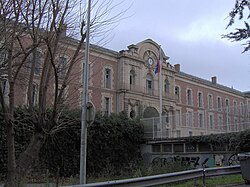
Joffre's legacy is preserved through numerous landmarks, including the Lycée Joffre in Montpellier and various avenues and bridges named in his honor across France, Canada, and the United States.
Summary of Military Career
| Period/Date | Position/Rank | Key Event/Location |
|---|---|---|
| 1870 | Junior Artillery Officer | Siege of Paris |
| 1884–1885 | Military Engineer | Sino-French War (Keelung) |
| 1906–1908 | Commander, 6th Infantry Division | France |
| 1908–1910 | Commander, 2nd Army Corps | France |
| 1914–1916 | Commander-in-Chief | Western Front / Battle of the Marne |
| Dec 1916 | Marshal of France | Promotion to highest rank |
Frequently Asked Questions
What was Joseph Joffre's most significant achievement?
His most significant achievement was the regrouping of Allied forces to defeat the German army at the First Battle of the Marne in September 1914, which prevented the fall of Paris and the early collapse of France.
What does the title "Generalissimo" mean in Joffre's context?
In Joffre's case, the title of Generalissimo was established by a presidential decree in December 1915, making him the supreme Commander-in-Chief of the French Armies across the Western Front and Salonika.
Why did Joffre lose his position of power in 1916?
His political influence waned due to the unsuccessful offensives of 1915, the heavy losses at the Battle of Verdun, and the disappointing results of the Anglo-French offensive on the Somme.
What was Joffre's personality like?
He was described as generally taciturn and possessing an "impenetrable calm," though this was occasionally interrupted by bursts of furious anger.
Where was Joseph Joffre educated?
Joffre attended the École Polytechnique, where he excelled in mathematics, drawing, and descriptive geometry.